Key takeaways
- Match your seat, not the room: Measure from the floor to the top of your compressed sofa cushion, then aim for a table within an inch or two of that number — typically 16 to 18 inches for standard seating. This keeps your forearm roughly level when you reach, so your shoulders stay down and your spine stays neutral.
- Respect the low-arousal zone: Anything you’d lean over for extended periods should never be lower than about 15 inches. Prolonged forward flexion raises muscular tension and, in my experience with clients, makes the transition to bed noticeably harder. Reading, snacking, and scrolling all deserve a supported posture.
- Consider a lift top for dual duty: Adjustable models that rise to 22–25 inches let you eat or type at a reasonable angle, then drop back down for genuine relaxation. That physical reset is a useful behavioral cue — surface down, day over.
- Leave 16 to 18 inches of legroom: Clearance between sofa edge and table matters as much as height. Too tight and you’ll sit rigidly perched; too far and you’ll stretch and slouch. Both undermine comfort over a long evening.
- Prioritize storage that hides stimulation: Enclosed compartments let you put laptops, chargers, and controllers out of sight before wind-down. Visual clutter is a low-grade alerting signal, and closing a drawer is a surprisingly effective way to close a mental loop.
What's inside
Most people shop for a coffee table by looking at it, not by sitting beside it. That’s the mistake. A table that photographs beautifully can quietly wreck your evenings: too low, and you hunch forward every time you reach for a mug, compressing your chest and neck in exactly the posture that makes it harder to wind down. Too tall, and the table crowds your knees, blocks your line of sight, and turns the sofa into a workstation rather than a place to decompress. As someone who spends most professional hours on sleep quality and evening routines, I’d argue the living room table is one of the most underrated pieces of rest architecture in a home — it dictates whether the last two hours of your day feel restorative or restless.
This guide focuses on height first and everything else second. Below you’ll find the measurement rules that actually matter, how lift-top mechanisms change the calculation, and reviews of six well-built tables spanning the practical range of roughly 16 to 24 inches. Each pick is judged on seated ergonomics, surface stability, and whether it supports a calm evening rather than an accidental late shift at the office.
As an Amazon Associate we earn from qualifying purchases.


How to Choose a/an Height For A Coffee Table (2026)
- Match your seat, not the room: Measure from the floor to the top of your compressed sofa cushion, then aim for a table within an inch or two of that number — typically 16 to 18 inches for standard seating. This keeps your forearm roughly level when you reach, so your shoulders stay down and your spine stays neutral.
- Respect the low-arousal zone: Anything you’d lean over for extended periods should never be lower than about 15 inches. Prolonged forward flexion raises muscular tension and, in my experience with clients, makes the transition to bed noticeably harder. Reading, snacking, and scrolling all deserve a supported posture.
- Consider a lift top for dual duty: Adjustable models that rise to 22–25 inches let you eat or type at a reasonable angle, then drop back down for genuine relaxation. That physical reset is a useful behavioral cue — surface down, day over.
- Leave 16 to 18 inches of legroom: Clearance between sofa edge and table matters as much as height. Too tight and you’ll sit rigidly perched; too far and you’ll stretch and slouch. Both undermine comfort over a long evening.
- Prioritize storage that hides stimulation: Enclosed compartments let you put laptops, chargers, and controllers out of sight before wind-down. Visual clutter is a low-grade alerting signal, and closing a drawer is a surprisingly effective way to close a mental loop.
The Best Height For A Coffee Table (2026)s Reviewed
WLIVE Lift Top Coffee Table, Brown
At 16.9 inches with a 39.4-inch top, this hits the sweet spot for standard-depth sofas — low enough for true lounging, tall enough that you’re not diving toward the floor for your tea. The hidden storage and adjustable shelf make it easy to clear devices out of view before bed.
Oval Lift Top Coffee Table, 47.2″ Walnut
The oval footprint and sliding tambour door make this the most forgiving option for tight walkways, since there are no sharp corners to catch a shin during a late-night trip to the kitchen. The fluted walnut finish reads warm rather than clinical, which matters more for evening ambience than most buyers expect.
SEDETA 31.5″ Square Lift Top Coffee Table
Best suited to apartments and loveseats, this compact square keeps the surface within easy arm’s reach so you’re not twisting or over-extending. The generous concealed compartment swallows a laptop whole — my preferred storage test.
VASAGLE Lift Top Coffee Table, Rustic Brown
The 19.3-to-24.4-inch adjustment range is the widest here, making this the strongest choice if you genuinely eat or work from the sofa. Raise it for dinner, lower it afterward, and let that height change signal the shift into rest mode.
Itaar 39.4″ Lift Top Coffee Table, White and Walnut
Two drawers plus a large lifting compartment and adjustable shelves give this table the best organization-to-footprint ratio of the group. The two-tone finish keeps a farmhouse silhouette from feeling heavy in smaller rooms.
Frequently Asked Questions
What is the ideal coffee table height?
Between 16 and 18 inches suits most sofas, landing level with or slightly below the seat cushion. Measure your own cushion height rather than trusting a general rule, since deep-seated modern sofas often sit lower than expected.
Should a coffee table be lower than the sofa?
Slightly lower or even is ideal. More than two inches below the cushion forces a downward reach that rounds the shoulders — fine occasionally, tiring across a whole evening.
Are lift-top tables worth it?
If you regularly eat, work, or read at the sofa, yes. The raised position spares your neck, and returning it to resting height doubles as a small ritual that marks the end of productive hours.
How tall should a coffee table be for a sectional?
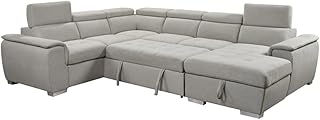
Sectionals often sit lower, so 15 to 17 inches usually works better. Verify clearance on all approach sides so the piece never forces awkward stepping or twisting.
Final Thoughts
For most living rooms, the WLIVE Lift Top in brown offers the best balance of a genuinely relaxed 16.9-inch height with practical concealed storage. Choose the VASAGLE if you need real height adjustability for evening meals or laptop use, and the Oval Lift Top in walnut if softer lines and easier traffic flow are your priority. Any of the three will support the kind of unhurried evening that makes falling asleep afterward far less of a negotiation.