Key takeaways
- Breathability before plushness: Core body temperature has to fall for sleep to consolidate. Open woven blends, cotton-linen, and performance weaves shed heat far better than dense velvet or chenille, which behave like a duvet you can’t kick off.
- Seat depth and arm height together: A 22–26 inch seat lets a side-sleeper curl without their hip hanging off the edge, and a padded arm roughly level with your shoulder acts as a passable pillow. Deep seat plus low arm is the combination that wrecks cervical alignment.
- Rebound, not softness: Press a cushion and watch it return. High-density foam that springs back resists the trench that forms after six months of the same person landing in the same spot — and that trench is what causes the twisted spine and 2 a.m. shoulder ache.
- Allergen realism: Upholstery collects dust mite allergen, and nasal congestion drives mouth breathing and snoring. Removable, machine-washable covers or a tightly woven, wipeable performance fabric make quarterly maintenance a ten-minute job instead of a project.
- Frame integrity and first-week air: A kiln-dried solid wood frame keeps the deck flat under sustained horizontal load. Whatever you buy, unwrap it and ventilate the room for a few days — fresh foam and adhesives off-gas, and a stuffy room is a poor place to sleep.
What's inside
Most sofa shopping happens with the eyes. You scroll, compare silhouettes, picture the thing under the window — and almost nobody asks the question that matters most in a rest-focused household: what actually happens on this surface at 9:40 p.m.? Unplanned evening dozing is one of the most common sleep behaviours in adult homes, yet the furniture it happens on is almost never chosen with rest in mind. A sofa can photograph beautifully and still trap heat, collapse under a shoulder, and hand you a stiff neck that fragments the real night upstairs.
I grade sofas the way I grade a mattress: temperature behaviour, support geometry, cushion rebound, and how realistically you can keep the surface clean. What follows is a shortlist of fabric sofas that hold up to that scrutiny — from an eleven-foot four-seater built for sprawling to a two-seater sized for a study or a small apartment — with the trade-offs stated plainly so you can match the piece to your room and your wind-down routine.
As an Amazon Associate we earn from qualifying purchases.


🛒 Best Price Today on Amazon
Prime members get fast, free shipping on everything above, plus member-only deals. New members get a 30-day free trial — cancel anytime.
How to Choose a Fabric Sofa (2026)
- Breathability before plushness: Core body temperature has to fall for sleep to consolidate. Open woven blends, cotton-linen, and performance weaves shed heat far better than dense velvet or chenille, which behave like a duvet you can’t kick off.
- Seat depth and arm height together: A 22–26 inch seat lets a side-sleeper curl without their hip hanging off the edge, and a padded arm roughly level with your shoulder acts as a passable pillow. Deep seat plus low arm is the combination that wrecks cervical alignment.
- Rebound, not softness: Press a cushion and watch it return. High-density foam that springs back resists the trench that forms after six months of the same person landing in the same spot — and that trench is what causes the twisted spine and 2 a.m. shoulder ache.
- Allergen realism: Upholstery collects dust mite allergen, and nasal congestion drives mouth breathing and snoring. Removable, machine-washable covers or a tightly woven, wipeable performance fabric make quarterly maintenance a ten-minute job instead of a project.
- Frame integrity and first-week air: A kiln-dried solid wood frame keeps the deck flat under sustained horizontal load. Whatever you buy, unwrap it and ventilate the room for a few days — fresh foam and adhesives off-gas, and a stuffy room is a poor place to sleep.
The Best Fabric Sofas of 2026, Reviewed
Poly & BARK Capri 99″ Sofa
The performance fabric is the headline here: it resists the oils and spills that make upholstery unhygienic over time, and it stays notably cooler than a napped textile under a stationary body. Loose cushions on a solid frame mean you can rotate and flip to distribute wear, which is the single best habit for keeping support even.
SIMPLIHOME Livingston 90″ Woven-Blend Sofa
A textured woven blend in a muted grey does two useful things — it circulates air through the weave and it hides the everyday marks that tempt people into over-cleaning. At 90 inches it suits a medium living room, though taller adults will find it a stretch for full-length lying down.
Modern 111.8″ 4-Seater Upholstered Sofa
Nearly ten feet of seating solves the recurring problem in busy households: two people wind down without negotiating for space, so nobody gets displaced to a chair. The four included pillows are genuinely useful for propping under knees or the lumbar curve during an evening reading session.
89″ Cream White Deep-Seat 3-Seater
The deep seat is the reason to consider this one — it gives you room to tuck your legs up fully rather than dangling them, which is what keeps a short rest from turning into hip and lower-back strain. Cream shows everything, so treat washable covers or a throw as mandatory, not optional.
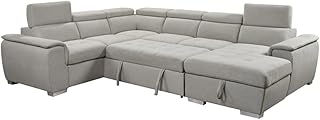
110″ Cotton-Linen 4-Seater Modular Sofa
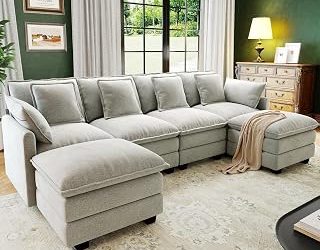
Cotton-linen is the most thermally forgiving fabric on this list, making it the pick for warm bedrooms, sunrooms, and anyone who overheats easily. The low back and metal legs read contemporary but offer little head support, so pair it with a proper cushion if you nap here regularly.
Frequently Asked Questions
Is falling asleep on the sofa actually harmful?
Occasionally, no. Habitually, yes — sofa sleep is lighter, more interrupted, and poorly aligned, and it erodes the mental link between your bed and sleep. Treat the sofa as a place for short, deliberate rest, then move.
Which fabric sleeps coolest?
Cotton-linen and open woven blends lead, followed by technical performance weaves. Velvet, chenille, and dense microfibre trap the most heat and are the least suitable if you run warm.
How deep should the seat be for resting?
Aim for 22–26 inches. Shallower and you perch; much deeper and your lower back loses contact with the backrest unless you add a cushion.
Is a two-seater enough for a small home?
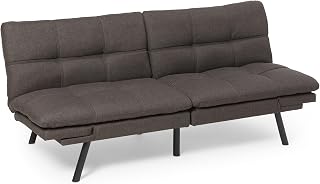
For a study, office, or compact apartment, a well-built 64-inch two-seater with a solid wood frame and high-density cushioning often outperforms a cheap large sofa — density and frame quality matter more than length.
Final Thoughts
If you want one sofa that balances temperature control, cleanability, and long-term support, the Poly & BARK Capri is the most complete choice. Warm sleepers and warm rooms should look hard at the 110″ cotton-linen four-seater, while the SIMPLIHOME Livingston remains the sensible mid-size option for a household that wants breathable texture without a ten-foot footprint.