Key takeaways
- Measure your interior cubic feet first: Multiply interior height by width by depth in feet, then match that number to the product’s stated coverage. A 300 cu ft rated warming unit in a 12 cu ft cabinet is wasted money; a 60 cu ft desiccant canister in a tall 40 cu ft safe will saturate within weeks.
- Decide between powered and passive: Warming rods and heated bases need a port for the cord and a nearby outlet, but they run indefinitely with no maintenance. Silica gel canisters need no power at all and are ideal for range bags, pistol cases, and safes with no drilled access hole — but you must remember to recharge them.
- Check the recharge indicator on desiccants: A visible color-change window turns guesswork into a glance. Most reusable canisters dry out in a household oven in two to four hours, and a good one survives dozens of cycles before losing capacity.
- Mind the noise if the safe shares your bedroom: Anything with a fan will be audible in a quiet room at 2 a.m. Rods, heated plates, and silica gel are completely silent, which matters more than buyers expect.
- Aim for 45–50% relative humidity, not zero: Bone-dry air can shrink and crack wood stocks and dry out leather slings. Buy a cheap hygrometer, place it inside, and verify — never assume.
What's inside
Most of us keep a safe in the bedroom closet or under the bed, which means the same room where you sleep is also the room where a few thousand dollars of steel quietly fights a losing battle against water vapor. As someone who spends most of my professional life talking about bedroom environments — humidity, airflow, temperature swings overnight — I can tell you that the space around your bed is rarely as stable as it feels. Cool nights, warm mornings, a closed closet door, and a sealed steel box add up to condensation on blued steel and a faint orange bloom on your barrel by spring.
Gun safes make the problem worse by design. Thick walls hold last night’s temperature long after the room has warmed, so moist air entering the safe hits a cold surface and gives up its water. Fire-rated safes compound it further, since some insulation materials release moisture as they cure. This guide covers the two workable approaches — warming the interior air so it never reaches dew point, and chemically pulling water out of it — plus how to size either one for your safe, and which specific units are worth your money in 2026.
As an Amazon Associate we earn from qualifying purchases.



🛒 Best Price Today on Amazon
Prime members get fast, free shipping on everything above, plus member-only deals. New members get a 30-day free trial — cancel anytime.
How to Choose a Dehumidifier For Gun Safes (2026)
- Measure your interior cubic feet first: Multiply interior height by width by depth in feet, then match that number to the product’s stated coverage. A 300 cu ft rated warming unit in a 12 cu ft cabinet is wasted money; a 60 cu ft desiccant canister in a tall 40 cu ft safe will saturate within weeks.
- Decide between powered and passive: Warming rods and heated bases need a port for the cord and a nearby outlet, but they run indefinitely with no maintenance. Silica gel canisters need no power at all and are ideal for range bags, pistol cases, and safes with no drilled access hole — but you must remember to recharge them.
- Check the recharge indicator on desiccants: A visible color-change window turns guesswork into a glance. Most reusable canisters dry out in a household oven in two to four hours, and a good one survives dozens of cycles before losing capacity.
- Mind the noise if the safe shares your bedroom: Anything with a fan will be audible in a quiet room at 2 a.m. Rods, heated plates, and silica gel are completely silent, which matters more than buyers expect.
- Aim for 45–50% relative humidity, not zero: Bone-dry air can shrink and crack wood stocks and dry out leather slings. Buy a cheap hygrometer, place it inside, and verify — never assume.
The Best Dehumidifier For Gun Safes (2026)s Reviewed
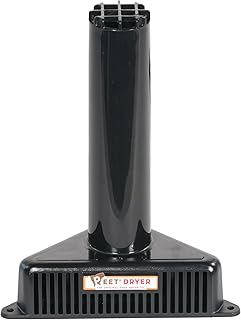
PEET SafeKeeping Dehumidifier
PEET has been doing warm-air circulation longer than most of its competitors have existed, and the SafeKeeping unit remains the safest default recommendation for anything up to 300 cubic feet. It draws negligible power, makes no sound whatsoever, installs in minutes, and the five-year warranty tells you what the company expects from its own hardware.
360° Circular Gun Safe Dehumidifier with Built-in Fan
The circular heating element paired with an internal fan actively moves warm air into corners that a passive rod never reaches, which makes it the strongest choice for wide, shelf-divided safes where stagnant pockets form. Accept the faint fan hum as the price of that coverage, and skip it if the safe lives beside your pillow.
XL 450g Reusable Silica Gel Canister
For a mid-sized safe with no cord port, this is the one to buy — 450 grams of indicating silica gel rated to roughly 60 cubic feet, with a window that shifts color when it’s time for the oven. It’s the least glamorous product here and arguably the best value, provided you’ll actually check it monthly.
Afloia Rechargeable Cordless with Heating Base
Afloia’s TOPZ 2+1 splits the difference cleverly: a cordless absorbing cartridge that recharges on its own heated base, so you get powered performance without running a cable into your safe. Genuinely quiet, and the fact that it moves easily to a truck cab, RV locker, or boat cabin makes it the most versatile unit on this list.
Gun Safe Dehumidifier Rod, 12″
The 12-inch rod is the classic, boring, effective answer for tall vertical safes — mounted low with the included brackets, it establishes a gentle convection current that keeps the whole cabinet above dew point. Nothing to maintain, nothing to replace, nothing to hear.
TOAAOT 200g Silica Gel Canisters (3-Pack)
Three smaller canisters beat one large one when you’re protecting several separate spaces: a pistol case, a toolbox, and an ammo can, for instance. Rotate them through the oven together and the whole set stays effective for years.
Frequently Asked Questions
Do warming rods actually remove moisture?
No — they raise interior air temperature a few degrees above ambient, which lowers relative humidity and keeps surfaces from reaching dew point. The water leaves as vapor through the safe’s seams rather than condensing on your firearms.
Is it safe to leave one running around the clock?
Yes. Quality rods and heated bases draw single-digit wattage and are built for continuous duty; cycling them on and off actually invites the temperature swings that cause condensation in the first place.
How often should I recharge a silica gel canister?
Every 30 to 60 days in a typical climate, and monthly in humid coastal or basement conditions. Trust the indicator window over the calendar.
Can I use both a rod and a desiccant together?
Absolutely, and in damp basements or garages it’s the most reliable setup available. The rod handles baseline stability while the canister absorbs spikes from door openings.
Final Thoughts
For most bedroom and closet safes, the PEET SafeKeeping Dehumidifier is the buy — silent, proven, and warrantied long enough to outlast several cheaper alternatives. If your safe is wide or shelf-heavy, step up to the 360° unit with the built-in fan for genuine air movement, and if you can’t run a cord, the XL 450g silica gel canister will protect your investment for pennies a month.