Key takeaways
- Sealed filtration before raw suction: A vacuum that pulls hard but leaks at the seams simply relocates dust from floor to breathing zone. Prioritise multi-stage, washable HEPA-grade filters and a bin that latches tightly, and empty it outdoors or over a lidded bin rather than in the bedroom.
- A brush head tuned for bare boards: Stiff carpet bristles scatter grit and can burnish soft finishes. Look for soft or dual-material rollers, anti-tangle geometry that resists hair wrap, and LED headlights — the low beam reveals the fine layer your ceiling light hides completely.
- Realistic runtime, not headline runtime: Advertised maximums assume eco mode. Assume roughly a third of that figure on boost, then check the machine can still cover your bedroom, hallway and landing in one pass. A single uninterrupted circuit is the difference between a nightly habit and a weekend chore.
- Sound quality, not just volume: A steady low-frequency hum is far easier to tolerate at 9pm than a shrill whine, especially with a partner reading or a child settling. If you clean late, run eco mode and treat boost as a daytime tool.
- Storage that keeps it in sight: Self-standing designs and wall docks matter more than they sound. A vacuum parked at the top of the stairs gets used; one wrestled out of a cupboard doesn’t. Weight matters too — anything over about 3kg discourages overhead and under-bed passes.
What's inside
Hard floors get sold as the low-maintenance option, and they are — right up until late-afternoon light rakes across them. Wood, tile, vinyl and laminate don’t trap anything, which means everything they collect stays mobile: shed skin, pet dander, pollen carried in on sock soles, the fine grit that slowly sands the finish off a plank. Each footstep relaunches a share of it. In a bedroom, that airborne fraction is what you spend seven or eight hours breathing while your body is supposed to be doing its overnight repair work.
That’s the lens I use here. My background is in sleep wellness, so I judge a vacuum less on carpet-deep-clean theatrics and more on what it does for a room you sleep in: whether the filtration actually holds fines inside the bin, whether the brush glides over bare boards instead of firing debris across them, how it sounds during evening use, and whether it’s pleasant enough to grab that you’ll run it three times a week instead of three times a month. Below are the cordless models worth your attention in 2026, plus the buying criteria that separate a genuinely bedroom-friendly machine from an impressive spec sheet.
As an Amazon Associate we earn from qualifying purchases.


🛒 Best Price Today on Amazon
Prime members get fast, free shipping on everything above, plus member-only deals. New members get a 30-day free trial — cancel anytime.
How to Choose a Cordless Vacuum For Hard Floors (2026)
- Sealed filtration before raw suction: A vacuum that pulls hard but leaks at the seams simply relocates dust from floor to breathing zone. Prioritise multi-stage, washable HEPA-grade filters and a bin that latches tightly, and empty it outdoors or over a lidded bin rather than in the bedroom.
- A brush head tuned for bare boards: Stiff carpet bristles scatter grit and can burnish soft finishes. Look for soft or dual-material rollers, anti-tangle geometry that resists hair wrap, and LED headlights — the low beam reveals the fine layer your ceiling light hides completely.
- Realistic runtime, not headline runtime: Advertised maximums assume eco mode. Assume roughly a third of that figure on boost, then check the machine can still cover your bedroom, hallway and landing in one pass. A single uninterrupted circuit is the difference between a nightly habit and a weekend chore.
- Sound quality, not just volume: A steady low-frequency hum is far easier to tolerate at 9pm than a shrill whine, especially with a partner reading or a child settling. If you clean late, run eco mode and treat boost as a daytime tool.
- Storage that keeps it in sight: Self-standing designs and wall docks matter more than they sound. A vacuum parked at the top of the stairs gets used; one wrestled out of a cupboard doesn’t. Weight matters too — anything over about 3kg discourages overhead and under-bed passes.
The Best Cordless Vacuums For Hard Floors (2026), Reviewed
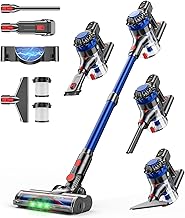
KARDV 500W 8-in-1 Cordless Stick Vacuum
The most complete package for a bedroom-heavy home: 40Kpa of pull, a genuine 60-minute eco runtime, anti-tangle roller and a wall dock that charges while it stores. The eight-piece attachment set earns its keep on skirting boards, curtain hems and mattress edges — the dust reservoirs most people never touch.
650W 55KPa Self-Standing Cordless Vacuum
The power flagship of this group, with 70 minutes of stated runtime and a touch screen that reports mode and remaining charge at a glance. The self-standing hinge is the underrated feature: pause mid-room, answer the door, resume — no leaning it against a wall and no scuff mark.
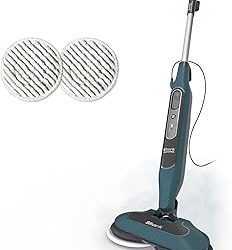
Shark VACMOP VM252
A specialist rather than an all-rounder, pairing suction with a spray mop so dry debris and sticky residue disappear in one pass. It’s light, LED-lit and ideal for kitchens and entryways, though the disposable pads make it a supplement to a stick vacuum rather than a replacement.
Tikom V500
Tikom’s 40,000Pa unit hits an unusually sensible balance of weight, price and control, with an LED touch screen and a charging wall dock included. It’s the one I’d suggest for smaller flats or as a second machine kept upstairs purely for the sleeping floors.
600W 50Kpa Self-Standing Cordless Vacuum
A well-judged middle option: 65 minutes of runtime, anti-tangle brush and self-standing convenience without the top model’s heft. Eco mode is quiet enough for a pre-bed sweep of the bedroom without shaking anyone out of their wind-down.
Frequently Asked Questions
Does vacuuming actually improve sleep?
Indirectly, and meaningfully. Dust mite allergens and pet dander are common drivers of night-time congestion and micro-arousals. Reducing the reservoir on floors and under beds lowers overnight allergen exposure, which for sensitive sleepers can measurably reduce awakenings.
Is it better to vacuum in the morning or evening?
Morning or early afternoon, ideally. Vacuuming stirs settled particles into the air, and even good filtration takes an hour or two to fully resettle. Cleaning well before bedtime lets the room clear while you’re elsewhere.
Do I still need a mop for hard floors?
Yes. Suction removes loose debris; only moisture lifts the oily film that binds fine dust to the surface. A vacuum-and-spray unit like the VACMOP handles both, or alternate a stick vacuum with a weekly damp mop.
How often should I vacuum bedroom floors?
Two to three times weekly for most homes, and every other day with pets or an allergy sufferer in the house. Short, frequent passes beat one long session, both for air quality and for the longevity of the floor finish.
Final Thoughts
For most hard-floor homes, the KARDV 500W is the smartest single purchase — long runtime, sealed filtration, and the attachment range to clean the surfaces that actually affect the air around your bed. Step up to the 650W 55KPa self-standing model if you have pets or an open-plan level to cover in one charge, and add the Shark VACMOP VM252 for kitchens and entryways where dry suction alone was never going to be enough.