Key takeaways
- Brushroll design: Soft-roller or V-shaped anti-tangle rollers glide over sealed wood without flinging grit sideways or leaving micro-scratches. Stiff carpet-only bristles are the wrong tool here.
- Filtration integrity: Look for multi-stage sealed systems rather than a single mesh screen. On hard floors, a leaky exhaust simply relocates dust into the breathing zone — a real concern in bedrooms and nurseries.
- Realistic runtime: Advertised maximums assume the lowest power setting. Halve the headline figure for mid-power use, and prioritize removable batteries or wall-mount charging if you’re covering more than 1,200 square feet.
- Noise and weight: Anything above roughly 78 dB discourages evening use, and anything past six pounds discourages stairs. Both quietly determine whether the vacuum becomes a habit or a closet ornament.
- Bin capacity and emptying: A 1.5L-plus cup with a bottom-release mechanism means fewer interruptions and less dust plume at the trash can — which matters more than raw suction numbers for most homes.
What's inside
Hardwood floors have a way of broadcasting every particle you own. Unlike carpet, which quietly swallows dust into its fibers, a sealed wood surface holds fine debris loosely on top, where footsteps, HVAC cycles, and a passing pet lift it back into the air you breathe all evening. As someone who spends most days advising people on their sleep environments, I can tell you that the bedroom floor is the single most overlooked variable in nighttime breathing comfort — settled dust, dander, and skin cells resettle within hours of being disturbed, which is precisely when most people climb into bed. The barrier for most households isn’t willingness; it’s that dragging out a corded upright at 9 p.m. is nobody’s idea of a wind-down ritual.
That’s the case for a genuinely good cordless stick vacuum: it turns floor care into a two-minute habit rather than a weekend chore. But hardwood makes specific demands that marketing copy tends to blur. You need a brushroll that won’t scratch or scatter, sealed filtration that actually retains what it captures instead of exhaling it, and a noise profile that doesn’t wake a sleeping household. Below I’ve assessed the leading 2026 cordless sticks specifically through that lens — surface safety, air quality, and how likely you are to keep using the thing after week three.
As an Amazon Associate we earn from qualifying purchases.



🛒 Best Price Today on Amazon
Prime members get fast, free shipping on everything above, plus member-only deals. New members get a 30-day free trial — cancel anytime.
How to Choose a Cordless Stick Vacuum For Hardwood Floors (2026)
- Brushroll design: Soft-roller or V-shaped anti-tangle rollers glide over sealed wood without flinging grit sideways or leaving micro-scratches. Stiff carpet-only bristles are the wrong tool here.
- Filtration integrity: Look for multi-stage sealed systems rather than a single mesh screen. On hard floors, a leaky exhaust simply relocates dust into the breathing zone — a real concern in bedrooms and nurseries.
- Realistic runtime: Advertised maximums assume the lowest power setting. Halve the headline figure for mid-power use, and prioritize removable batteries or wall-mount charging if you’re covering more than 1,200 square feet.
- Noise and weight: Anything above roughly 78 dB discourages evening use, and anything past six pounds discourages stairs. Both quietly determine whether the vacuum becomes a habit or a closet ornament.
- Bin capacity and emptying: A 1.5L-plus cup with a bottom-release mechanism means fewer interruptions and less dust plume at the trash can — which matters more than raw suction numbers for most homes.
The Best Cordless Stick Vacuum For Hardwood Floors (2026)s Reviewed
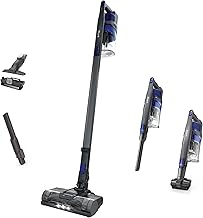
Shark Pet Cordless Stick Vacuum IX141
Shark’s HyperVelocity suction paired with the anti-tangle head makes this the most consistently well-behaved option on wide-plank hardwood, and the LED headlights genuinely expose the fine dust film you’d otherwise miss along baseboards. The 40-minute runtime is the shortest here, but the detachable handheld and XL dust cup make it the pick for pet households doing quick, frequent passes.
Levoit Cordless Vacuum LVAC-200
The 180° lay-flat design is the standout feature for bedroom use — it slides under bed frames and low dressers where dander accumulates undisturbed for months. It’s light, notably restrained in volume, and its anti-tangle head handles long hair without the mid-clean scissor session cheaper models require.
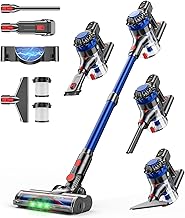
650W 60KPA Cordless Stick Vacuum with OLED Screen
This is the most capable machine in the group on paper, and the 1.8L cup plus self-standing base make it practical for whole-home passes rather than spot cleaning. The OLED readout showing remaining runtime and filter status is more useful than it sounds, since it removes the guesswork that leads to neglected maintenance.
90-Min 650W 55KPA Cordless Stick Vacuum with Smart Display
If runtime anxiety is your main hesitation, this is the answer — even at realistic mid-power settings you’ll clear a multi-story home without recharging. Wall-mount charging keeps it visible and accessible, which in my experience is the strongest predictor of whether floor care actually happens nightly.
KARDV Cordless Vacuum Cleaner
At 500W and 40Kpa it’s the gentlest performer here, which is arguably an advantage on older or waxed hardwood where aggressive suction can drag debris across the finish. The 8-in-1 attachment set covers upholstery, vents, and mattress surfaces — a legitimately useful range for allergen control beyond the floor.
Frequently Asked Questions
Can a cordless stick vacuum scratch hardwood floors?
Rarely from the vacuum itself, but frequently from trapped grit. Check and clear the brushroll monthly, and avoid dedicated carpet modes on bare wood, since higher brush speeds can whip abrasive particles against the finish.
How often should I vacuum bedroom hardwood?
Two to three times weekly is a reasonable target for most households, and more if you have shedding pets. Aim to finish at least an hour before bedtime so disturbed particulate has time to settle out of the air.
Does higher Kpa always mean better cleaning?
No. Above roughly 30Kpa on hard floors, head design, seal quality, and airflow path matter considerably more than the pressure figure. Suction ratings are measured in idealized conditions that don’t resemble a real floor.
Do I still need a HEPA-grade filter on hardwood?
Yes — arguably more so. Because hard surfaces don’t trap allergens, filtration is your only line of defense against redistributing dander and dust mite debris. Rinse or replace filters on the manufacturer’s schedule, or performance and air quality both degrade quickly.
Final Thoughts
For most hardwood homes, the Shark IX141 is the easiest recommendation — it’s forgiving, well-filtered, and pleasant enough to use that it becomes routine. Choose the Levoit LVAC-200 if under-bed access and quiet operation top your list, or the 650W 60KPA OLED model if you want maximum capability and runtime headroom for a larger floor plan.