Key takeaways
- Capacity versus square footage: Pint ratings are measured under generous test conditions, so build in headroom. A 70-pint class unit suits a moderately damp finished basement; 150 to 260 pints belongs in large, actively wet, or unconditioned spaces where evaporation never really stops.
- Drainage that fits the room: A gravity drain hose works only if you have a floor drain below the outlet. If the unit sits level with or beneath your drainage point, prioritize a built-in condensate pump so you never think about emptying a bucket again.
- Low-temperature performance: Basements and crawl spaces run cool. Auto defrost keeps the evaporator coil clear and extraction rates steady in the 40s and 50s Fahrenheit, where cheaper compressors simply ice over and stall.
- Acoustics near sleeping areas: Compressor and blower noise carries through joists. If a bedroom sits directly above, look for lower fan speeds, place the unit on vibration-damping feet, and keep at least a few feet of clearance from walls to reduce resonance.
- Controls, memory, and efficiency: An accurate humidistat that holds 45 to 55% beats manual guesswork. Energy Star certification, a timer, and smart restart after a power blip all reduce running costs and prevent silent weeks of unnoticed dampness.
What's inside
A damp basement rarely announces itself. It shows up instead as the faint mustiness in the laundry, the clamminess in a downstairs guest room, and — for many households — as restless nights spent breathing air that carries more mold spores and dust mite allergens than it should. As a sleep-wellness practitioner, I spend a surprising amount of time talking about humidity, because the bedroom’s air quality is downstream of whatever is happening in the lowest level of the house. Once relative humidity climbs past roughly 60%, the biology tilts in favor of the organisms that inflame airways and fragment sleep.
Residential portable units often can’t keep pace with a basement’s constant moisture load, particularly in finished lower-level bedrooms, crawl spaces, or after a plumbing failure. That’s where commercial-grade equipment earns its keep: greater pint capacity, real drainage, low-temperature operation, and the durability to run for months without complaint. Below, I’ve assembled the commercial dehumidifiers worth considering for basement duty in 2026, along with the specifications that actually matter for comfort, health, and quieter sleep.
As an Amazon Associate we earn from qualifying purchases.


🛒 Best Price Today on Amazon
Prime members get fast, free shipping on everything above, plus member-only deals. New members get a 30-day free trial — cancel anytime.
How to Choose a Commercial Dehumidifier For Basement (2026)
- Capacity versus square footage: Pint ratings are measured under generous test conditions, so build in headroom. A 70-pint class unit suits a moderately damp finished basement; 150 to 260 pints belongs in large, actively wet, or unconditioned spaces where evaporation never really stops.
- Drainage that fits the room: A gravity drain hose works only if you have a floor drain below the outlet. If the unit sits level with or beneath your drainage point, prioritize a built-in condensate pump so you never think about emptying a bucket again.
- Low-temperature performance: Basements and crawl spaces run cool. Auto defrost keeps the evaporator coil clear and extraction rates steady in the 40s and 50s Fahrenheit, where cheaper compressors simply ice over and stall.
- Acoustics near sleeping areas: Compressor and blower noise carries through joists. If a bedroom sits directly above, look for lower fan speeds, place the unit on vibration-damping feet, and keep at least a few feet of clearance from walls to reduce resonance.
- Controls, memory, and efficiency: An accurate humidistat that holds 45 to 55% beats manual guesswork. Energy Star certification, a timer, and smart restart after a power blip all reduce running costs and prevent silent weeks of unnoticed dampness.
The Best Commercial Dehumidifier For Basement (2026)s Reviewed
ALORAIR Sentinel HD55 (113 Pint)
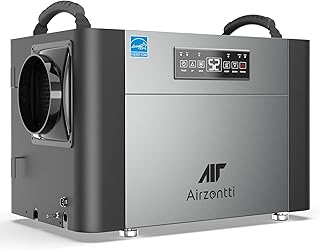
This is the unit I most often suggest for crawl spaces and low-clearance basements, thanks to its compact, stackable footprint and genuinely capable auto defrost. At 113 pints it handles persistent structural dampness rather than just seasonal humidity, and the included drain hose makes continuous unattended operation straightforward.
260 Pint Commercial Dehumidifier with Pump
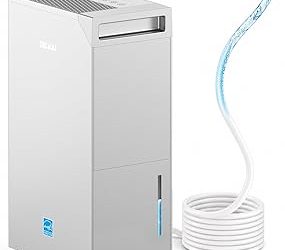
Reach for this capacity class when you’re drying a large unfinished basement, a warehouse-scale space, or recovering from a burst pipe. The integrated pump means condensate can travel upward to a utility sink or window, which is exactly the flexibility restoration work demands.
200 Pint Commercial Dehumidifier with Pump and Drain Hose
A sensible middle ground for big basements that stay damp without being flooded, pairing heavy-duty extraction with both pump and gravity drain options. In my experience this is the tier where homeowners stop fighting humidity and start maintaining it.
305 Pint Commercial Dehumidifier with Timer
The most aggressive option here, suited to industrial spaces and serious water-damage restoration where hours matter. The timer function is more useful than it sounds — it lets you schedule the heaviest work outside sleeping hours if the unit shares a building with bedrooms.
Aeroid 70 Pint Energy Star Commercial Dehumidifier
My default recommendation for finished basements and whole-home support, where efficiency and restraint matter more than raw extraction. Energy Star certification keeps running costs modest for near-continuous operation, and smart memory restart means a brief outage doesn’t quietly undo weeks of progress.
Frequently Asked Questions
What humidity level should I target in a basement?
Aim for 45 to 55% relative humidity. Below 40% you invite dry sinuses and static; above 60% you create hospitable conditions for mold and dust mites, both of which are well-documented triggers for nighttime congestion and disrupted sleep.
Will a basement dehumidifier improve sleep upstairs?
Often, yes — indirectly. Basement air migrates upward through the stack effect, carrying moisture and biological particulate with it. Controlling humidity at the source typically reduces allergen load throughout the house, which many people notice as easier breathing at night.
Do I really need a condensate pump?
If there is no floor drain lower than the machine, a pump is essential for hands-off operation. Bucket emptying is the single most common reason dehumidifiers get switched off and forgotten.
Can I run one of these year-round?
Commercial units are built for continuous duty, and most basements benefit from operation whenever indoor humidity is high. Clean or replace the filter on schedule and keep the intake unobstructed to protect extraction efficiency.
Final Thoughts
For most finished basements with bedrooms nearby, the Aeroid 70 Pint offers the best balance of efficiency, quiet operation, and set-and-forget drainage. Choose the ALORAIR Sentinel HD55 if you’re tackling a crawl space or tight mechanical room, and step up to the 260 Pint commercial unit when the space is large, unconditioned, or actively recovering from water damage.