Key takeaways
- Seat depth over seat width: A depth of 24 inches or more lets you lie on your side with knees bent and your spine reasonably neutral. Shallow seats force you into a curl that loads the lumbar region — the single most common cause of couch-sleep back pain. Deep-seat models like the GarveeHome and the Ihanherry sectional are built for this.
- Arm height as pillow height: Rolled Chesterfield arms typically sit 24–28 inches high. That’s often too tall for side sleeping without a gap under the neck. Measure the arm, then plan to add a low pillow rather than a tall one. Sofas with softer, lower rolls (the ERYE) are more forgiving.
- Foam density and recovery: High-resilience foam or pocket-spring cushions resist the slow sink that pulls your hips below your shoulders overnight. The DOPEDIO’s pocket-spring seat construction is the right idea in a small footprint; boneless chenille designs feel wonderful for 20 minutes but need dense cores to hold up for eight hours.
- Upholstery breathability: Leather looks superb and cleans easily, but it traps heat against skin, and a warm sleep surface fragments sleep. Linen, chenille, and corduroy move air better. If you want leather, keep a breathable throw permanently on the seat.
- Frame integrity and quiet: Solid hardwood frames with proper joinery stay silent when you shift position. Cheap engineered frames develop creaks within a year, and micro-noise is a documented sleep disruptor even when it doesn’t fully wake you.
What's inside
Most people shop for a sofa the way they shop for a rug: they look at it. But a sofa is furniture you sleep on. Sleep-lab data has been telling us for years that a huge share of adults nap on the couch several times a week, and plenty of us log a full night there after a late film, a snoring partner, or a guest taking the spare room. A Chesterfield’s rolled arms, deep seat, and tight button tufting can make that accidental sleep genuinely restorative — or it can leave you with a stiff neck and a 4 a.m. wake-up.
This guide looks at 2026’s standout Chesterfields and Chesterfield-adjacent deep-seat sofas through a sleep-wellness lens: seat depth versus your body length, foam density and how it behaves under sustained pressure, arm height as an improvised pillow, and upholstery breathability, which quietly governs whether you overheat around hour two. Below you’ll find current picks, then a buying framework you can apply to any model you’re considering.
As an Amazon Associate we earn from qualifying purchases.




How to Choose a/an Chesterfield Sofa (2026)
- Seat depth over seat width: A depth of 24 inches or more lets you lie on your side with knees bent and your spine reasonably neutral. Shallow seats force you into a curl that loads the lumbar region — the single most common cause of couch-sleep back pain. Deep-seat models like the GarveeHome and the Ihanherry sectional are built for this.
- Arm height as pillow height: Rolled Chesterfield arms typically sit 24–28 inches high. That’s often too tall for side sleeping without a gap under the neck. Measure the arm, then plan to add a low pillow rather than a tall one. Sofas with softer, lower rolls (the ERYE) are more forgiving.
- Foam density and recovery: High-resilience foam or pocket-spring cushions resist the slow sink that pulls your hips below your shoulders overnight. The DOPEDIO’s pocket-spring seat construction is the right idea in a small footprint; boneless chenille designs feel wonderful for 20 minutes but need dense cores to hold up for eight hours.
- Upholstery breathability: Leather looks superb and cleans easily, but it traps heat against skin, and a warm sleep surface fragments sleep. Linen, chenille, and corduroy move air better. If you want leather, keep a breathable throw permanently on the seat.
- Frame integrity and quiet: Solid hardwood frames with proper joinery stay silent when you shift position. Cheap engineered frames develop creaks within a year, and micro-noise is a documented sleep disruptor even when it doesn’t fully wake you.
The Best Chesterfield Sofa (2026)s Reviewed
GarveeHome 81″ Leather Chesterfield
This is the traditionalist’s pick: handmade button tufting, a genuinely deep seat, and a cognac tan finish that improves with age. For sleep, pair it with a cotton or linen throw — the leather is beautiful but insulating, and 81 inches suits sleepers under about 5’8″ comfortably.
ERYE 88″ Beige Linen Chesterfield
At 88 inches with rolled arms and nailhead trim, this is the most sleep-friendly true Chesterfield here: linen breathes well, the length accommodates most adults fully extended, and the deep seat supports side sleeping without forcing a curl. The pet-friendly weave is a practical bonus.
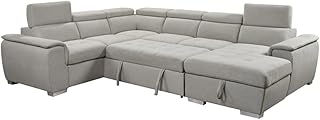
Ihanherry 111.4″ L-Shaped Modular Sectional
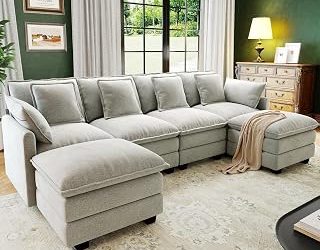
Not a Chesterfield in silhouette, but the best actual sleep surface on this list — the chaise plus ottoman creates a near-bed platform, and the chenille deep seats stay cool. Choose this if guest sleeping is a regular reality rather than an occasional accident.
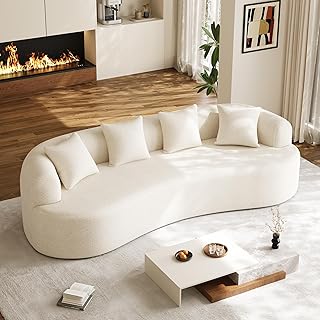
Modern Curved 4-Seater Chenille Sofa
The curved, boneless cream design is a striking room anchor with high-foam deep seats and four pillows included. The gentle curve is surprisingly good for reading and dozing upright; less ideal for full-length sleep, since the arc restricts how flat you can lie.
DOPEDIO 71.25″ Chenille Loveseat
For small apartments, this is the smart compromise: pocket-spring cushions and a solid wood frame deliver real support, and the removable washable cover matters more than people expect for sleep hygiene. Too short for stretched-out sleeping, but excellent for a supported 30-minute nap.
Frequently Asked Questions
Is sleeping on a Chesterfield sofa bad for your back?
Not inherently. Problems arise from shallow seats, sagging cushions, and awkward arm height rather than the style itself. A deep, firm seat with a properly sized pillow can be perfectly acceptable for occasional nights.
Leather or fabric for a sofa you’ll nap on?
Fabric, generally. Leather retains body heat, and a rising skin temperature promotes lighter, more fragmented sleep. If you prefer leather aesthetically, a breathable throw solves most of it.
How firm should the cushions be?
Medium-firm. You want enough give for shoulder and hip pressure relief, but enough support that your midsection doesn’t sink below your shoulders and twist your spine over several hours.
Does sofa length really matter for a guest sofa?
Yes. Aim for at least 6 inches more than the sleeper’s height between the arms, or choose a sectional with a chaise so legs can extend past the seat entirely.
Final Thoughts
If you want a genuine Chesterfield that also works as an occasional bed, the ERYE 88″ linen model is the most balanced choice on this list — breathable, long enough, and properly deep. For serious guest-sleeping duty, the Ihanherry L-shaped sectional is the closest thing to a real mattress here, while the GarveeHome leather Chesterfield remains the pick for anyone prioritizing classic craftsmanship, with a breathable throw as the one non-negotiable accessory.