Key takeaways
- Seat depth over overall length: A 66-inch chaise with an 18-inch seat still forces you to perch. Look for depth in the 26–40 inch range if you intend to nap, curl sideways, or share the surface with a laptop, a dog, or both.
- Backrest angle: Roughly 100–120 degrees is the sweet spot for extended rest — open enough to unload the lumbar spine, upright enough that your head doesn’t fall backward and strain the neck. Bolt-upright backs are for sitting, not recovering.
- Foam behavior, not foam thickness: High-resilience or layered memory foam distributes pressure and rebounds; cheap single-density polyfoam compresses into a hammock within months. Ask about density if the listing offers it, and treat “extra thick” claims skeptically on their own.
- Fabric and thermoregulation: Velvet and faux fur feel luxurious and trap heat — an advantage in a cool bedroom, a liability if you sleep warm. Boucle and corduroy breathe better and hide wear well. Confirm whether covers are removable and washable before you commit.
- Orientation and assembly: Directional chaises are sold left- or right-facing; measure your wall and traffic path first, since a mirrored return shipment is a genuine hassle. No-assembly boneless models sidestep hardware entirely but arrive compressed and need 24–72 hours to fully expand.
What's inside
Most people shop for an indoor chaise lounge the way they shop for a rug — by color, by silhouette, by how it will photograph in the corner of the living room. Then they actually lie down on it, and the trouble starts: the backrest angle fights the neck, the seat is too shallow to stretch out, the foam bottoms out after twenty minutes, and the piece that was supposed to become a reading nook turns into an expensive place to pile laundry. From a sleep-wellness standpoint, that mismatch matters more than most buyers realize. A chaise is a rest surface, and rest surfaces either support the spine’s natural curves or they quietly teach your body to brace.
This guide evaluates the current crop of indoor chaise lounges through that lens — recline geometry, seat depth, foam density, and how well each piece handles the long, drowsy afternoon nap it will inevitably be asked to host. I’ve prioritized models that hold up as genuine restorative furniture rather than decorative props, including several oversized “boneless” cloud-style designs that have reshaped the category, plus a slimmer tufted option for rooms where floor space is the binding constraint. Below you’ll find the picks, a short buying framework, and answers to the questions that come up most often.
As an Amazon Associate we earn from qualifying purchases.



🛒 Best Price Today on Amazon
Prime members get fast, free shipping on everything above, plus member-only deals. New members get a 30-day free trial — cancel anytime.
How to Choose an Indoor Chaise Lounge (2026)
- Seat depth over overall length: A 66-inch chaise with an 18-inch seat still forces you to perch. Look for depth in the 26–40 inch range if you intend to nap, curl sideways, or share the surface with a laptop, a dog, or both.
- Backrest angle: Roughly 100–120 degrees is the sweet spot for extended rest — open enough to unload the lumbar spine, upright enough that your head doesn’t fall backward and strain the neck. Bolt-upright backs are for sitting, not recovering.
- Foam behavior, not foam thickness: High-resilience or layered memory foam distributes pressure and rebounds; cheap single-density polyfoam compresses into a hammock within months. Ask about density if the listing offers it, and treat “extra thick” claims skeptically on their own.
- Fabric and thermoregulation: Velvet and faux fur feel luxurious and trap heat — an advantage in a cool bedroom, a liability if you sleep warm. Boucle and corduroy breathe better and hide wear well. Confirm whether covers are removable and washable before you commit.
- Orientation and assembly: Directional chaises are sold left- or right-facing; measure your wall and traffic path first, since a mirrored return shipment is a genuine hassle. No-assembly boneless models sidestep hardware entirely but arrive compressed and need 24–72 hours to fully expand.
The Best Indoor Chaise Lounges (2026), Reviewed
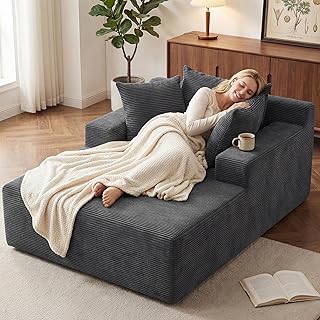
ivoros 50″ Corduroy Boneless Chaise Lounge
The most balanced pick here: a deep, generously padded seat in a breathable corduroy that suits warm sleepers, at a footprint that still fits a modest bedroom or apartment corner. Zero assembly and a forgiving recline make it the one I’d recommend to someone buying their first proper rest chair.
67″ Corduroy Oversized Sleeper Chaise
Essentially the long-format version of the above, and the better choice if full-body extension is the goal — you can stretch out without your calves dangling off the end, which is what separates a real nap surface from a lounger. Give it several days to reach full loft after unboxing.
66″ Boneless Chaise Lounge with 3 Pillows
The three included cushions are more useful than they sound: they let you tune the backrest angle and add lumbar or cervical support rather than accepting whatever geometry the frame dictates. A smart option for anyone who reads, works, or watches from the same seat all evening.
Oversized Faux Fur Memory Foam Chaise Lounge
Memory foam plus plush faux fur creates the most enveloping, pressure-relieving surface in this lineup, ideal for cool rooms and cold-footed sleepers. Warm sleepers should look elsewhere, and the pile does need regular brushing to stay lofted.
ERYE Boucle Right-Facing Chaise Lounge
The most furniture-like entry — a structured boucle daybed that reads as intentional design rather than a beanbag alternative, with firmer support that suits people who find deep foam too sinky. Confirm the right-facing orientation matches your layout before ordering.
Frequently Asked Questions
Can I sleep on an indoor chaise lounge every night?
Occasionally, yes; habitually, no. Even a well-built chaise lacks the uniform support of a mattress, and nightly use tends to produce shoulder and hip pressure points. Treat it as a nap and recovery surface, not a bed replacement.
How long do boneless cloud-style chaises take to expand?
Most reach usable shape within a few hours and full loft in one to three days. Judge comfort only after that window — early firmness or lopsidedness is normal and usually resolves.
Velvet, boucle, corduroy, or faux fur?
Boucle and corduroy are the most breathable and wear-tolerant. Velvet looks sharpest but shows crushing. Faux fur is the warmest and the highest-maintenance. Match the fabric to your room temperature and your tolerance for upkeep.
What size fits a small bedroom?
Under about 55 inches long, with at least 24 inches of clearance for walking past. The 50-inch corduroy model is the safest bet in tight rooms; measure your intended wall before you decide.
Final Thoughts
For most buyers, the ivoros 50″ corduroy chaise delivers the best combination of support, breathability, and realistic footprint. If you want to fully extend and nap properly, size up to the 67″ corduroy sleeper; if you prefer structured, design-forward seating over deep sink, the ERYE boucle chaise is the one worth measuring your wall for.