Key takeaways
- Motor count over marketing copy: A single motor links back and footrest together, so you can only stop at preset angles. Dual motors separate them, unlocking true infinite positioning. Three motors add independent headrest or lumbar control — worth the premium if you sleep in the chair nightly, since you can drop the torso flat while keeping the head slightly elevated for reflux or apnea.
- Verify the lay-flat claim: “Reclines fully” and “180° lay flat” are not the same specification. Ask for the actual back-to-seat angle. A genuine 180° plane distributes load across the whole posterior surface; a 160° chair concentrates it at the sacrum, which is where overnight users develop soreness and disrupted sleep.
- Size to the body, not the room: Seat width and depth govern whether your shoulders stay square and your feet reach the footrest. A 26-inch extra-wide seat prevents the shoulder compression that causes side-sleepers to wake and reposition; an extended footrest keeps taller users from dangling their heels, which restricts circulation over long sessions.
- Treat heat and massage as sleep-onset tools: Lumbar heat raises local tissue temperature, and the subsequent drop cues drowsiness — the same mechanism behind a warm bath before bed. Look for auto-shutoff timers and vibration you can silence independently, since sustained motor hum fragments light sleep even when it feels soothing at first.
- Plan for power loss and upholstery wear: A battery backup gets the chair upright during an outage; without one, you’re stuck reclined. Leather wipes clean and suits warm sleepers, while performance fabric breathes better but traps more. Check the stated weight capacity against real body weight plus bedding.
What's inside
Most people shopping for a lift recliner aren’t furniture shopping at all — they’re sleep shopping. They’ve spent months migrating from bed to chair because lying flat aggravates reflux, hip pain, or breathlessness, and the living room recliner has quietly become where the real rest happens. That changes the buying criteria entirely. A chair you sit in for two hours needs comfort; a chair you sleep in for six needs pressure relief, spinal neutrality, thermal control, and a motor system that won’t strand you at 3 a.m.
This guide evaluates the current crop of dual- and triple-motor power lift recliners through that lens. I’ve weighted the features that actually influence sleep architecture — true lay-flat geometry, zero-gravity positioning, independent headrest and lumbar articulation, heat placement, and the practical ergonomics of getting in and out unassisted. Below you’ll find the standout models for 2026, followed by a buying framework and answers to the questions that come up most often in clinic.
As an Amazon Associate we earn from qualifying purchases.



🛒 Best Price Today on Amazon
Prime members get fast, free shipping on everything above, plus member-only deals. New members get a 30-day free trial — cancel anytime.
How to Choose a/an Chair Inc Recliner (2026)
- Motor count over marketing copy: A single motor links back and footrest together, so you can only stop at preset angles. Dual motors separate them, unlocking true infinite positioning. Three motors add independent headrest or lumbar control — worth the premium if you sleep in the chair nightly, since you can drop the torso flat while keeping the head slightly elevated for reflux or apnea.
- Verify the lay-flat claim: “Reclines fully” and “180° lay flat” are not the same specification. Ask for the actual back-to-seat angle. A genuine 180° plane distributes load across the whole posterior surface; a 160° chair concentrates it at the sacrum, which is where overnight users develop soreness and disrupted sleep.
- Size to the body, not the room: Seat width and depth govern whether your shoulders stay square and your feet reach the footrest. A 26-inch extra-wide seat prevents the shoulder compression that causes side-sleepers to wake and reposition; an extended footrest keeps taller users from dangling their heels, which restricts circulation over long sessions.
- Treat heat and massage as sleep-onset tools: Lumbar heat raises local tissue temperature, and the subsequent drop cues drowsiness — the same mechanism behind a warm bath before bed. Look for auto-shutoff timers and vibration you can silence independently, since sustained motor hum fragments light sleep even when it feels soothing at first.
- Plan for power loss and upholstery wear: A battery backup gets the chair upright during an outage; without one, you’re stuck reclined. Leather wipes clean and suits warm sleepers, while performance fabric breathes better but traps more. Check the stated weight capacity against real body weight plus bedding.
The Best Chair Inc Recliner (2026)s Reviewed
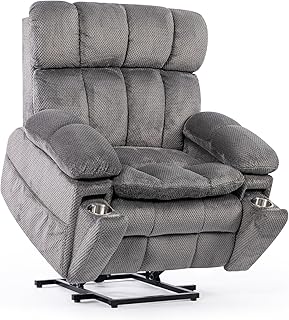
3 Motor Large-Wide Lift Chair, 180° Lay Flat
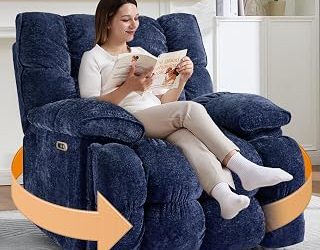
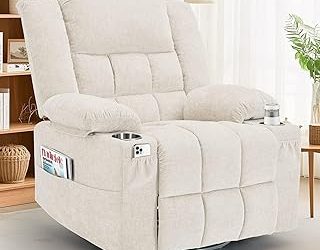
The three-motor architecture is the meaningful upgrade here: independent headrest control lets big-and-tall users achieve a genuinely flat torso while keeping the cervical spine supported, which is the single hardest thing to get right in chair sleeping. The extended footrest solves the heel-dangle problem that undermines most oversized recliners.
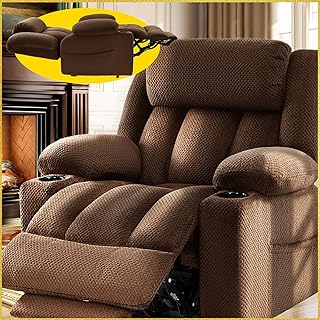
Dual Motor 26″ Extra Wide Recliner with Zero Gravity
The zero-gravity preset elevates the knees above the heart to unload the lumbar spine, and at 26 inches of seat width there’s room to shift position without waking. Flip-arm storage and Type-C charging keep essentials within reach so nighttime repositioning doesn’t turn into a full wake-up.
Dual Motor Infinite Position Lift Chair with Wireless Charger
A well-executed infinite-position chair in beige leather, with the integrated lumbar pillow doing real work rather than serving as decoration. The wireless charging pad and USB ports are the sort of detail that matters when the chair doubles as a nightstand.
Dual Motor 180° Lay Flat with Standing Assistance
Standing assistance is calibrated well on this one — the lift arc rises gradually rather than tipping the user forward, which builds confidence for anyone transitioning independently at night. Faux leather keeps maintenance simple for caregivers.
MAHOMICO Power Lift Recliner with Lumbar Heating
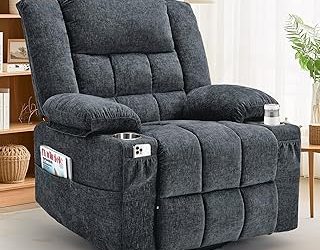
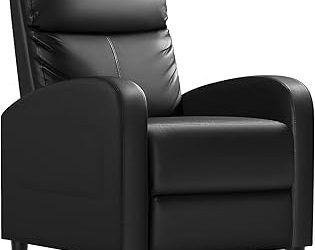
A sensible single-seat option where the lumbar heating element is positioned low enough to reach the actual pain zone rather than warming the mid-back. Vibration massage is gentle and the footprint suits smaller living rooms.
Frequently Asked Questions
Is sleeping in a recliner every night actually safe?
For many people with reflux, COPD, heart failure, or post-surgical restrictions, elevated sleep is medically preferable to lying flat. The concerns are circulatory: prolonged hip and knee flexion raises clot risk. Choose a chair that reaches near-flat, vary your position, and discuss extended chair sleeping with your physician.
Does a dual-motor chair justify the extra cost?
If the chair is for evening television, no. If anyone will sleep in it, yes — independent footrest control is what makes zero-gravity and near-flat positions reachable, and those positions are the entire reason chair sleeping works.
How much clearance do I need behind the chair?
Most lay-flat models need eight to twenty inches of wall clearance depending on the mechanism. Measure before purchase; a chair pushed too close to the wall simply won’t complete its recline, quietly costing you the feature you paid for.
Can two people share one lift recliner?
Fit is individual, so a chair tuned to one person’s leg length and shoulder width rarely suits another. If it must be shared, size to the larger user and add a lumbar cushion for the smaller one.
Final Thoughts
For nightly chair sleepers, the 3 Motor Large-Wide Lift Chair is the most capable option here, thanks to independent headrest articulation and a true 180° plane. Broader-framed users will be better served by the Dual Motor 26″ Extra Wide Recliner with its zero-gravity preset, while the MAHOMICO Power Lift Recliner covers the essentials well in a footprint that fits a modest room.