Key takeaways
- Recovery suction over spray pressure: The number that matters is how much water comes back up. Fabric left damp in a bedroom raises local humidity and can seed mildew inside foam padding — the opposite of a healthier sleep surface. Prioritize machines with strong vacuum recovery and a sealed dirty-water tank.
- Tool geometry: Headboards, bed skirts, and the seam where a mattress meets its platform all demand narrow, angled heads. A 3-inch stain tool and a crevice attachment will get more real use in a bedroom than a wide upholstery head.
- Formula chemistry: Look for dye-free, low-fragrance, low-VOC solutions. Heavy perfumes linger in porous fabric and are a common trigger for nasal irritation at night. Rinse-friendly formulas that don’t leave a tacky surfactant film are worth the premium.
- Fabric code compliance: Check the tag. W and WS codes tolerate water-based extraction; S means solvent only; X means vacuum only. No machine overrides that label.
- Realistic tank size: Small tanks mean frequent refills, which is fine for a single armchair and miserable for a full bedroom carpet. Match capacity to the largest job you’ll actually do.
What's inside
Sleep hygiene gets talked about as a lighting and screen-time problem, but a surprising share of restless nights trace back to the fabric you’re lying on and next to. An upholstered headboard, a bedroom chaise, or the carpet running under your bed frame collects skin cells, sebum, night sweat, pet dander, and the dust mite populations that feed on all of it. Vacuuming lifts the loose surface layer; it does very little for the residue bonded into the fibers. For anyone who wakes with a stuffy nose, an itchy throat, or a vague sense of never quite getting deep sleep, wet extraction of soft surfaces is one of the more underrated interventions available.
This guide looks at portable and upright extractors through that lens: how quickly they pull moisture back out, how gentle their chemistry is on a surface you breathe against for eight hours, and how easily they reach the awkward vertical panels and crevices bedroom furniture is full of. Below are the machines and formulas worth your money in 2026.
As an Amazon Associate we earn from qualifying purchases.



🛒 Best Price Today on Amazon
Prime members get fast, free shipping on everything above, plus member-only deals. New members get a 30-day free trial — cancel anytime.
How to Choose a Carpet Cleaner For Upholstery (2026)
- Recovery suction over spray pressure: The number that matters is how much water comes back up. Fabric left damp in a bedroom raises local humidity and can seed mildew inside foam padding — the opposite of a healthier sleep surface. Prioritize machines with strong vacuum recovery and a sealed dirty-water tank.
- Tool geometry: Headboards, bed skirts, and the seam where a mattress meets its platform all demand narrow, angled heads. A 3-inch stain tool and a crevice attachment will get more real use in a bedroom than a wide upholstery head.
- Formula chemistry: Look for dye-free, low-fragrance, low-VOC solutions. Heavy perfumes linger in porous fabric and are a common trigger for nasal irritation at night. Rinse-friendly formulas that don’t leave a tacky surfactant film are worth the premium.
- Fabric code compliance: Check the tag. W and WS codes tolerate water-based extraction; S means solvent only; X means vacuum only. No machine overrides that label.
- Realistic tank size: Small tanks mean frequent refills, which is fine for a single armchair and miserable for a full bedroom carpet. Match capacity to the largest job you’ll actually do.
The Best Carpet Cleaners For Upholstery (2026), Reviewed
BISSELL Little Green 1400B
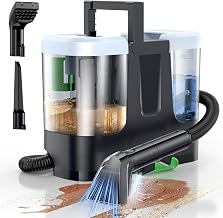
The default recommendation for a reason: compact, genuinely strong recovery suction, and a tool set that handles vertical fabric without soaking it. For spot-treating a headboard or a bedside chair between deeper cleans, nothing is faster to deploy.
Shark StainStriker PX202
Four tools including a 7-inch head and a dedicated pet-mess attachment make this the most versatile portable in the group. The wider head shortens passes on a mattress top, which meaningfully reduces total moisture deposited into the foam.
WECLEAN C1 Portable Extractor
A capable extractor bundled with its own deep-cleaning solution, aimed at couches, carpets, and car seats alike. Handling is straightforward, and the included formula rinses out cleanly enough that fabric doesn’t re-soil quickly.
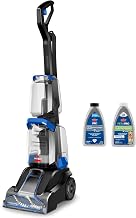
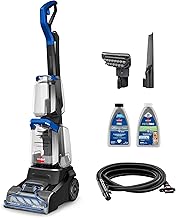
BISSELL TurboClean PET 3948
Choose this if bedroom carpet — not just furniture — is the real problem. It’s an upright built for full-room passes and pet accidents, with enough airflow to leave fibers merely damp rather than saturated.
BISSELL Woolite Advantage 3325 (4-Pack)
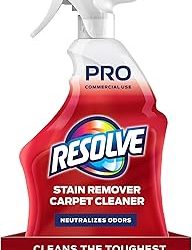
A well-balanced formula for people who already own a machine and want a milder chemistry on sleep-adjacent fabric. Buying in a four-pack removes the temptation to over-concentrate a dwindling bottle.
Frequently Asked Questions
How often should I extract a mattress or upholstered headboard?
Twice a year is a sensible baseline for most households. Move to quarterly if you share the bed with pets, have diagnosed dust mite allergy, or sweat heavily at night.
Does wet extraction actually reduce allergens?
It reduces the organic debris mites feed on and removes a meaningful share of settled dander and droppings. It won’t sterilize a mattress, and it’s a complement to washable encasements and hot-water bedding laundering rather than a replacement.
How long before I can sleep on cleaned upholstery?
Plan on six to twelve hours with a fan running and a window cracked. Press a white towel into the fabric — if it comes away visibly damp, keep waiting. Never make a bed over surfaces that are still cool to the touch.
Can I use tap water and skip the solution?
For a light freshen, yes. For body-oil buildup you need surfactant, or you’ll simply redistribute the residue and leave a ring at the drying edge.
Final Thoughts
For most bedrooms, the BISSELL Little Green 1400B is the right first purchase — small, effective, and easy enough to reach for that you’ll actually use it. Step up to the Shark StainStriker PX202 if you want broader tool coverage and faster mattress passes, and add the BISSELL TurboClean PET 3948 if wall-to-wall carpet is part of the problem you’re trying to solve.