Key takeaways
- Headrest independence: A fixed headrest forces your chin toward your chest, which narrows the airway and strains the neck. Adjustable power headrests let you dial in neutral cervical alignment — the single biggest upgrade for anyone who naps on the couch.
- True zero-gravity capability: Look for a recline that lifts the knees above the heart rather than simply tilting you backward. This posture reduces spinal load, eases lower-back pressure, and is the position most likely to produce genuinely refreshing rest rather than a restless doze.
- Breathability over bonded leather: Heat retention is an underrated sleep disruptor. Chenille, performance polyester, and perforated genuine leather shed body heat far better than thick bonded or faux leather, which can leave you clammy within twenty minutes.
- Foam density and recovery: Medium-plush, higher-density foam holds pelvic alignment for hours. Overly soft cushions feel wonderful for five minutes, then let your hips sink and your lumbar curve collapse.
- Wall clearance and charging access: Wall-hugger mechanisms recline in under six inches of clearance, which matters in tight rooms. Integrated USB and USB-C ports also let you keep phones charging at arm’s length instead of on your chest — a small change with real benefits for winding down.
What's inside
Most people shop for a reclining sofa the way they shop for a coffee table — by looks, footprint, and price. But if you spend your evenings drifting off during the third quarter or the second episode, that sofa is functioning as a sleep surface, and it deserves the same scrutiny you’d give a mattress. As someone who spends their days advising clients on sleep environments, I can tell you the most common complaint isn’t “my sofa is ugly.” It’s stiff necks, numb legs, reflux flare-ups after evening naps, and that groggy, unrested feeling after two hours of shallow couch sleep.
The good news: recliners have quietly become one of the better tools for restorative rest, particularly for anyone dealing with acid reflux, sinus congestion, lower back tension, or post-surgical recovery. The models below were evaluated through a sleep-quality lens — how well each one supports the head and cervical spine, whether it can achieve genuine elevation above the heart line, how much heat the upholstery traps, and whether the mechanism lets you settle in without fidgeting. Here are the reclining sofas worth your money in 2026.
As an Amazon Associate we earn from qualifying purchases.


🛒 Best Price Today on Amazon
Prime members get fast, free shipping on everything above, plus member-only deals. New members get a 30-day free trial — cancel anytime.
How to Choose a Reclining Sofa in 2026
- Headrest independence: A fixed headrest forces your chin toward your chest, which narrows the airway and strains the neck. Adjustable power headrests let you dial in neutral cervical alignment — the single biggest upgrade for anyone who naps on the couch.
- True zero-gravity capability: Look for a recline that lifts the knees above the heart rather than simply tilting you backward. This posture reduces spinal load, eases lower-back pressure, and is the position most likely to produce genuinely refreshing rest rather than a restless doze.
- Breathability over bonded leather: Heat retention is an underrated sleep disruptor. Chenille, performance polyester, and perforated genuine leather shed body heat far better than thick bonded or faux leather, which can leave you clammy within twenty minutes.
- Foam density and recovery: Medium-plush, higher-density foam holds pelvic alignment for hours. Overly soft cushions feel wonderful for five minutes, then let your hips sink and your lumbar curve collapse.
- Wall clearance and charging access: Wall-hugger mechanisms recline in under six inches of clearance, which matters in tight rooms. Integrated USB and USB-C ports also let you keep phones charging at arm’s length instead of on your chest — a small change with real benefits for winding down.
The Best Reclining Sofas Reviewed
Signature Design by Ashley Boyington Power Reclining Sofa
This is the most complete relaxation package here: zero-gravity positioning, air massage, heated seats, and a drop-down table, all in a leather and faux-leather blend. The heat function is genuinely useful for loosening tight lumbar muscles before bed, though I’d keep sessions short and let the surface cool before you actually fall asleep.
Watson & Whitely Genuine Leather Wall Hugger
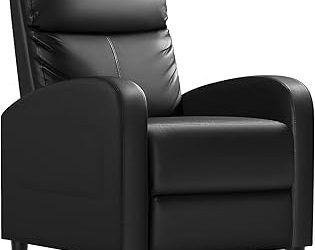
My top recommendation for dedicated couch sleepers, thanks to adjustable power headrests that let you fine-tune neck position independently of the backrest — the difference between waking up refreshed and waking up sore. The genuine leather breathes better than faux alternatives, and the wall-hugger design suits small apartments and RVs where clearance is scarce.
Signature Design by Ashley Next-Gen DuraPella
A well-judged middle path: zero-gravity recline paired with medium-plush foam that holds its shape through long sessions rather than bottoming out. The water-repellent upholstery is a practical choice for households where evening tea and toddlers coexist, and the sand colorway reads calm rather than clinical.
Signature Design by Ashley Yarrow Lane Reclining Sofa
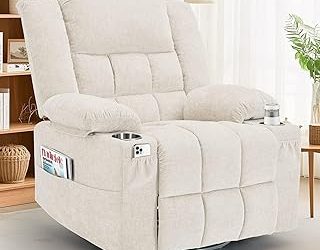
The chenille upholstery makes this the most breathable pick in the lineup, which matters enormously if you tend to overheat. Pillow-top arms double as a decent side-sleeping support, and the drop-down table with cup holders and USB charging keeps water within reach — hydration being one of the quietest contributors to better sleep.
Extra Wide Overstuffed Manual Recliner Sofa
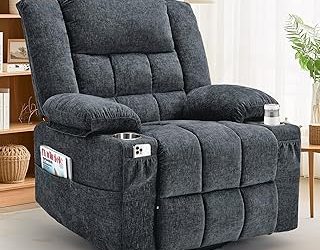
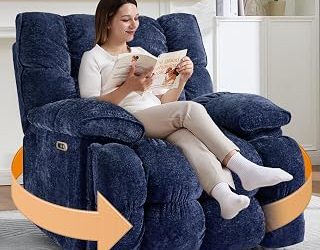
For anyone who genuinely stretches out and sleeps on the couch, the extra-wide seating and breathable fabric here beat most powered options on comfort per dollar. You lose headrest adjustability and precise positioning, so pair it with a small cervical pillow to protect your neck.
Frequently Asked Questions
Is sleeping in a reclining sofa bad for you?
Occasional reclined sleep is fine and can even help people with reflux, sinus congestion, or certain back conditions. Problems arise from poor positioning — an unsupported neck or dangling legs — rather than from recline itself. Aim for a neutral head position and elevated knees.
What recline angle is best for rest?
Roughly 120 to 135 degrees between torso and thighs, with the knees at or slightly above heart level. This reduces spinal compression and supports circulation, which is why zero-gravity presets have become a standard feature.
Do heated and massage functions actually improve sleep?
Indirectly, yes. Gentle warmth and vibration help release muscle tension and shift the nervous system toward a parasympathetic state. Use them during your wind-down window, then switch them off — sustained heat during sleep raises core temperature and fragments rest.
Power or manual mechanism?
Choose power if you nap regularly or have limited grip and shoulder strength; incremental adjustment and adjustable headrests are worth the premium. Manual models are more affordable and have fewer failure points, making them a sensible choice for occasional lounging.
Final Thoughts
If restorative rest is the priority, the Watson & Whitely Wall Hugger earns the top spot for its adjustable power headrests and breathable genuine leather. The Ashley Boyington is the pick for anyone who wants heat, massage, and zero gravity in one seat, while the Next-Gen DuraPella delivers the best balance of supportive foam, easy-care upholstery, and value for most living rooms.