Key takeaways
- Drying performance: This is the metric I care about most. Any water left in the pad and backing becomes a substrate for mold and a fresh food source for dust mites, which thrive above roughly 50% humidity. Look for heated airflow or a dedicated dry-suction mode, and plan on cleaning bedrooms in the morning so the room airs out well before bedtime.
- Automatic vs. manual solution control: Automatic systems meter clean water and detergent for you and keep dirty recovery water in a separate tank. Fewer variables means less over-wetting, which loops back to faster drying.
- Brush design: Counter-rotating or spinning brush rows scrub fibers from multiple angles and dislodge embedded allergen far better than a single stiff roller. If you have plush or high-pile carpet, agitation matters more than raw suction numbers.
- Attachments for the places that matter: Upholstery and crevice tools let you treat mattresses’ side panels, headboards, fabric bed frames, and pet beds — the reservoirs closest to your face while you sleep. A spot wand saves you from dragging the whole machine out for one accident.
- Tank size versus weight: Bigger tanks mean fewer refills but a heavier machine on stairs. For a single bedroom or a small apartment, a compact unit you’ll actually use monthly beats a large one that lives in the closet.
What's inside
Most people shopping for a carpet cleaner are chasing a stain. As someone who spends their working life on sleep quality and bedroom environments, I’d argue the more interesting problem is invisible: carpet fibers are the largest passive filter in your house, and they hold what settles out of the air. Dust mite allergen, skin cells, pet dander, pollen tracked in on shoes, and the residue of every spill that was “mostly” blotted up. Every footstep across that carpet re-releases a fraction of it into the air you breathe for seven or eight hours a night. Congestion, a scratchy throat at 3 a.m., waking up feeling like you didn’t rest — bedroom air is often part of the story, and the floor is often part of the air.
Vacuuming lifts loose debris. It doesn’t touch what’s bonded to the fiber. That’s the case for a proper wet extractor, and specifically an automatic one: machines that dispense solution, agitate, and recover dirty water in a single pass, so you’re not guessing at rinse cycles or leaving the carpet soaked. Below, I’ve mapped out what actually matters when choosing one — drying performance above all, because a slow-drying carpet is a mold risk, not a win — followed by honest notes on the strongest models available this year.
As an Amazon Associate we earn from qualifying purchases.


🛒 Best Price Today on Amazon
Prime members get fast, free shipping on everything above, plus member-only deals. New members get a 30-day free trial — cancel anytime.
How to Choose a/an Automatic Carpet Cleaner (2026)
- Drying performance: This is the metric I care about most. Any water left in the pad and backing becomes a substrate for mold and a fresh food source for dust mites, which thrive above roughly 50% humidity. Look for heated airflow or a dedicated dry-suction mode, and plan on cleaning bedrooms in the morning so the room airs out well before bedtime.
- Automatic vs. manual solution control: Automatic systems meter clean water and detergent for you and keep dirty recovery water in a separate tank. Fewer variables means less over-wetting, which loops back to faster drying.
- Brush design: Counter-rotating or spinning brush rows scrub fibers from multiple angles and dislodge embedded allergen far better than a single stiff roller. If you have plush or high-pile carpet, agitation matters more than raw suction numbers.
- Attachments for the places that matter: Upholstery and crevice tools let you treat mattresses’ side panels, headboards, fabric bed frames, and pet beds — the reservoirs closest to your face while you sleep. A spot wand saves you from dragging the whole machine out for one accident.
- Tank size versus weight: Bigger tanks mean fewer refills but a heavier machine on stairs. For a single bedroom or a small apartment, a compact unit you’ll actually use monthly beats a large one that lives in the closet.
The Best Automatic Carpet Cleaners (2026) Reviewed
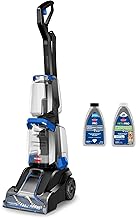
Hoover SmartWash+ Automatic Carpet Cleaner
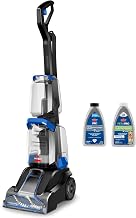
The most sensible default for a bedroom-focused deep clean: push forward to wash, pull back to dry, with the solution mix handled automatically so you can’t accidentally saturate the padding. Its dry-pass suction is genuinely strong, which is the difference between a carpet that’s walkable in an hour and one that’s still damp at lights-out.
Hoover SmartWash Pet with Spot Chaser Wand
Pet urine is an ammonia and bacterial load that keeps releasing odor compounds into the room long after the visible mark fades, so extraction depth matters more than fragrance. The built-in Spot Chaser wand means you can hit an accident within minutes — treating fresh is the single biggest predictor of whether a pet stain and its smell come back.
Hoover SmartWash FH52000 (Renewed)
Mechanically the same well-proven platform at a lower entry point, which makes it a reasonable pick if this is your first extractor and you’re not yet sure how often you’ll use it. Check the seller’s return window, and inspect the tank gaskets on arrival, since a poor seal is the usual failure point on refurbished units.
Hoover SmartWash+ Bundle with Everyday Solution
The same machine paired with a 64 oz bottle of Hoover’s everyday carpet shampoo, so you’re not stalled on day one waiting for a second delivery. I’d note that you should still rinse-pass with plain water afterward in bedrooms — leftover surfactant attracts soil and makes carpet re-dirty faster.
Hoover PowerScrub Deluxe
The SpinScrub brush arrangement and HeatForce drying make this the strongest choice for thick, matted, or long-neglected carpet where agitation is the bottleneck. It’s the heaviest of the group, so consider whether you’ll be carrying it upstairs regularly.
Frequently Asked Questions
How long should carpet dry before I sleep in the room?
Aim for fully dry to the touch plus a few hours — realistically four to eight hours with good airflow. Open a window, run a fan, and if you own a hygrometer, wait until room humidity settles back near its normal baseline before you make the bed.
Will this help with dust mite allergies?
It helps meaningfully, because hot-water extraction removes the allergen-laden dust that vacuuming leaves behind. It isn’t a cure: pair it with washing bedding weekly at high temperature and keeping bedroom humidity in the 40–50% range.
Can I use these machines on a mattress?
Use the upholstery tool on fabric bed frames, headboards, and mattress side panels only, and go light. Don’t saturate a mattress top — the interior can’t be extracted or dried properly, and trapped moisture in foam is a real mold problem.
How often should I deep clean bedroom carpet?
Every six months for most households, quarterly if you have pets, allergies, or anyone in the home with asthma. Spot-treat immediately in between; dwell time is what turns a spill into a permanent stain.
Final Thoughts
For most bedrooms, the Hoover SmartWash+ is the pick I’d make — automatic solution mixing keeps you from over-wetting, and its dry pass gets carpet back to a safe moisture level quickly. Pet owners should step up to the SmartWash Pet with Spot Chaser Wand for the ability to extract accidents while they’re still fresh, and anyone rescuing badly neglected, high-pile carpet will get more out of the PowerScrub Deluxe and its heated drying. Whichever you choose, treat drying time as part of the job rather than an afterthought — that’s what turns a clean carpet into cleaner air overnight.