Key takeaways
- Recline lock and leg elevation: Look for a chair that locks smoothly across the full range, not just upright and flat. For rest, you want your feet elevated slightly above heart level — the position that eases venous return and takes load off the lower back. A locking mechanism that slips mid-recline defeats the entire purpose.
- Headrest position, not just presence: A sliding, height-adjustable pillow is the single most underrated feature here. Cervical alignment determines whether your airway stays open; a fixed pad that sits too low tips your head forward, narrows the throat, and can turn a peaceful doze into snoring or a sore neck.
- Fabric breathability versus padding: Mesh sheds heat and dries quickly — ideal for warm climates, poolside use, and anyone who overheats while resting. Padded fabric like 600D Oxford insulates and cushions better for cool evenings and longer sessions. Thermal comfort strongly influences whether you can actually fall asleep, so choose for your climate first.
- Frame width and weight rating: Oversized models in the 30–33 inch seat range let your shoulders and hips relax outward rather than bracing inward. Higher capacity ratings — 400 to 500 lbs — also signal a stiffer frame that flexes less, which means fewer micro-adjustments and less subconscious muscle engagement.
- Portability and setup friction: A chair you dread unfolding is a chair you won’t use. Weigh transport weight, folded footprint, and whether the side tray or cup holder detaches cleanly. Convenient extras only help if they don’t turn setup into a chore.
What's inside
Most people shopping for a zero gravity chair aren’t chasing a piece of patio decor — they’re chasing rest. As someone who spends their working life studying how bodies wind down, I see the same pattern constantly: a person sets up camp or settles onto the deck at dusk, sinks into a cheap folding chair with a sagging seat and a headrest that shoves their chin toward their chest, and wonders why forty minutes later they feel more wrung out than when they sat down. Posture is the hidden variable. When your knees sit below your heart and your neck is craned forward, your nervous system stays in a mild state of alert, breathing stays shallow, and genuine drowsiness never arrives.
Zero gravity chairs solve that geometry problem by lifting the legs to roughly heart level and distributing weight across the whole frame, which reduces lumbar compression and encourages slower, deeper diaphragmatic breathing — the same physiological shift that precedes sleep onset. But the category is crowded and the quality gap between models is wide. This guide covers what actually matters in a 2026 zero gravity camp chair: recline geometry, headrest adjustability, fabric breathability, frame integrity, and packability. Below, I’ve reviewed the standouts and answered the questions I hear most often from clients who use these chairs for napping, restorative rest, and outdoor recovery.
As an Amazon Associate we earn from qualifying purchases.


How to Choose a Zero Gravity Camp Chair (2026)
- Recline lock and leg elevation: Look for a chair that locks smoothly across the full range, not just upright and flat. For rest, you want your feet elevated slightly above heart level — the position that eases venous return and takes load off the lower back. A locking mechanism that slips mid-recline defeats the entire purpose.
- Headrest position, not just presence: A sliding, height-adjustable pillow is the single most underrated feature here. Cervical alignment determines whether your airway stays open; a fixed pad that sits too low tips your head forward, narrows the throat, and can turn a peaceful doze into snoring or a sore neck.
- Fabric breathability versus padding: Mesh sheds heat and dries quickly — ideal for warm climates, poolside use, and anyone who overheats while resting. Padded fabric like 600D Oxford insulates and cushions better for cool evenings and longer sessions. Thermal comfort strongly influences whether you can actually fall asleep, so choose for your climate first.
- Frame width and weight rating: Oversized models in the 30–33 inch seat range let your shoulders and hips relax outward rather than bracing inward. Higher capacity ratings — 400 to 500 lbs — also signal a stiffer frame that flexes less, which means fewer micro-adjustments and less subconscious muscle engagement.
- Portability and setup friction: A chair you dread unfolding is a chair you won’t use. Weigh transport weight, folded footprint, and whether the side tray or cup holder detaches cleanly. Convenient extras only help if they don’t turn setup into a chore.
The Best Zero Gravity Camp Chairs of 2026, Reviewed
Timber Ridge Oversized XXL Zero Gravity Chair
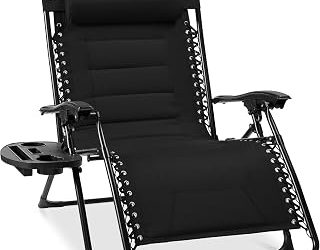
At 33 inches wide with a fully padded seat and a 500 lb capacity, this is the most stable platform here — the frame barely flexes, which lets your shoulders genuinely release instead of bracing. The attached side table keeps water and a book within reach, so you’re not sitting up and undoing your position every few minutes.
NEWBULIG Zero Gravity Chairs, Set of 2
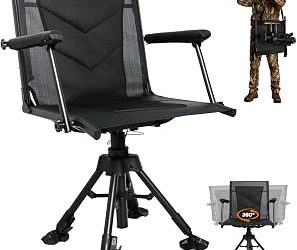
The adjustable sliding pillow is the standout feature, letting you dial in cervical support precisely rather than settling for whatever height the manufacturer chose. Mesh backing keeps airflow moving across the spine, making this pair a smart choice for hot-weather camping or afternoon rest by the pool.
Best Choice Products Oversized Padded Zero Gravity Chair
A well-judged balance of cushioning and polyester mesh ventilation, with an XL frame that suits taller and broader users who feel pinched by standard models. The headrest and side tray are thoughtfully positioned, and the recline holds firmly through the deepest settings.
Oversized Padded Recliner with Adjustable Headrest
The 600D Oxford shell adds real insulation, making this the pick for cool mountain evenings or shoulder-season camping when mesh feels too drafty. Generous padding through the lumbar region reduces pressure points during longer sessions.
NEWBULIG Folding Patio Recliner
A lighter, simpler single chair that folds compactly and moves easily between balcony, campsite, and lawn. It trades oversized dimensions for genuine portability, which makes it the most likely of the bunch to actually get used daily.
Frequently Asked Questions
Is it healthy to sleep in a zero gravity chair?
Short naps and evening rest are generally fine and can feel restorative, particularly if you have lower back sensitivity or mild swelling in the legs. For habitual all-night sleeping, though, a proper mattress remains better for spinal variation and turning freedom, and persistent inability to sleep flat is worth discussing with a clinician.
What recline angle is best for relaxation?
Aim for roughly 120 to 130 degrees between torso and thighs, with your knees ending up marginally above heart level. That range consistently produces the slower breathing and reduced muscular tension associated with pre-sleep states.
Mesh or padded — which should I buy?
Choose mesh if you run warm, live somewhere humid, or use the chair near water. Choose padded if your evenings are cool, you sit for extended stretches, or you want more cushioning under bony pressure points.
Do I need an adjustable pillow?
If you plan to doze, yes. Head position dictates airway openness, and a pillow set too low or too high is the most common reason people wake from a chair nap with neck stiffness or a dry throat.
Final Thoughts
If you want maximum stability and space to fully let go, the Timber Ridge Oversized XXL is the strongest all-round choice in 2026. The NEWBULIG Set of 2 is the better value for couples and hot-climate use thanks to its breathable mesh and genuinely adjustable pillow, while the Best Choice Products Oversized Padded chair splits the difference with cushioning and ventilation in one well-built frame.