Key takeaways
- Seat depth and back height: Look for at least 21–23 inches of seat depth and a back that measures 40 inches or more from the floor. Anything shallower leaves your thighs unsupported at the knee, which is the fastest route to fidgeting and interrupted rest.
- Independent power headrest: A fixed headrest built for a 5’8″ frame will push a taller neck forward into flexion. Adjustable power headrests let you fine-tune cervical support separately from the backrest angle — the single most valuable feature for anyone using a recliner to nap.
- Footrest extension, not just presence: Measure the extended footrest length, not the closed dimension. Tall bodies need the calf fully supported to the ankle; a footrest that stops mid-calf creates a pressure point that will wake you before you reach deep rest.
- Frame and weight rating: Taller frames often mean heavier loads. Steel-reinforced mechanisms and stated capacities in the 400–880 lb range signal a chassis that won’t develop sag or a lean over a few years of nightly use.
- Zero gravity capability: Positions that lift the knees above the heart reduce lumbar compression and ease circulatory return — genuinely useful if you’re managing lower-back tightness or leg swelling that interferes with falling asleep.
What's inside
If you’re over six feet tall, you’ve probably had the experience of sinking into a recliner that fits everyone but you: your knees hang past the footrest, your head lands somewhere in the middle of your shoulder blades, and after twenty minutes you’re wide awake with a stiff neck. From a sleep-wellness perspective, this is not a comfort quibble — it’s a positioning problem. Restorative rest, whether it’s a full night or a 25-minute afternoon nap, depends on your spine holding a neutral curve while your muscles let go. A sofa that’s too short forces your cervical spine into flexion and leaves your legs unsupported, which keeps the nervous system in low-level alert instead of letting it drift down into deeper stages of rest.
This guide looks at reclining sofas through that lens: seat depth and length, how far the footrest actually extends, whether the headrest adjusts independently, and how much weight the frame is engineered to carry. I’ve focused on models with power headrest articulation, generous seating platforms, zero-gravity positioning, and frames rated for heavier builds — the specs that decide whether you drift off or shift around. Below you’ll find the picks, followed by a buying framework and answers to the questions tall shoppers ask most.
As an Amazon Associate we earn from qualifying purchases.




How to Choose a Reclining Sofa For Tall Person (2026)
- Seat depth and back height: Look for at least 21–23 inches of seat depth and a back that measures 40 inches or more from the floor. Anything shallower leaves your thighs unsupported at the knee, which is the fastest route to fidgeting and interrupted rest.
- Independent power headrest: A fixed headrest built for a 5’8″ frame will push a taller neck forward into flexion. Adjustable power headrests let you fine-tune cervical support separately from the backrest angle — the single most valuable feature for anyone using a recliner to nap.
- Footrest extension, not just presence: Measure the extended footrest length, not the closed dimension. Tall bodies need the calf fully supported to the ankle; a footrest that stops mid-calf creates a pressure point that will wake you before you reach deep rest.
- Frame and weight rating: Taller frames often mean heavier loads. Steel-reinforced mechanisms and stated capacities in the 400–880 lb range signal a chassis that won’t develop sag or a lean over a few years of nightly use.
- Zero gravity capability: Positions that lift the knees above the heart reduce lumbar compression and ease circulatory return — genuinely useful if you’re managing lower-back tightness or leg swelling that interferes with falling asleep.
The Best Reclining Sofa For Tall Person (2026)s Reviewed
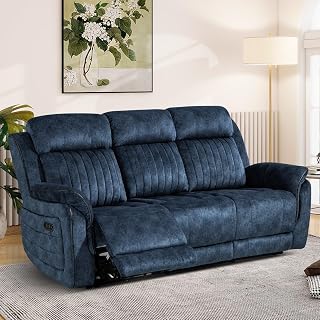
Signature Design by Ashley Boyington Power Reclining Sofa
The zero-gravity setting here does real work: elevating the legs above the heart takes measurable load off the lumbar spine, and the gentle air-massage cycle plus low-level seat heat give the parasympathetic nervous system a nudge toward wind-down. Generous back height and a well-padded platform make it my top choice for tall users who plan to actually sleep in it, not just watch television.
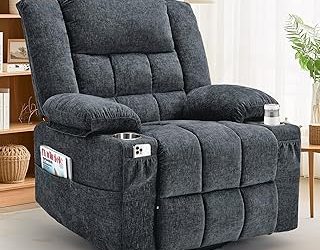
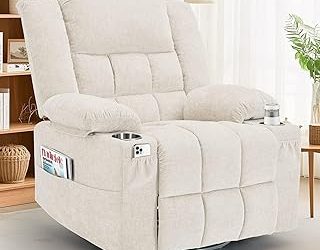
880LBS Big & Tall Reclining Loveseat with Console
An 880 lb rated frame with a stainless steel footrest support is the structural answer to the sag problem that plagues taller, heavier users after a couple of years. The wall-hugger geometry means you get full recline without pulling it a foot off the wall — practical in apartments and RVs where floor space is tight.
Watson & Whitely Genuine Leather Wall Hugger Power Reclining Sofa
Adjustable power headrests are the standout: you can dial in cervical support independently of the backrest, which is exactly what a long torso needs to avoid waking with a stiff neck. Genuine leather on the contact surfaces also breathes better than all-vinyl alternatives, so you overheat less during longer sessions.
Power Reclining Sofa with Zero Gravity and Wireless Charge
The pairing of zero-gravity recline with an adjustable headrest covers both ends of the tall-body problem — lumbar decompression below, neutral neck above. Wireless charging and USB-C ports keep your phone off the floor, a small thing that matters if you’re using a sleep tracker or white-noise app.
Extra Wide Overstuffed 3-Seat Manual Recliner Sofa
Extra-wide, overstuffed seating and breathable fabric make this the most thermally comfortable pick on the list, and heat retention is an underrated reason people wake up mid-nap. Manual mechanisms also mean fewer failure points, though you’ll trade away the fine-grained headrest control that power models offer.
Frequently Asked Questions
What seat height works best for someone over 6’2″?
Aim for a seat height of 20–22 inches, which lets your feet rest flat with knees roughly level with your hips. Lower seats force the knees upward and tilt the pelvis backward, flattening the lumbar curve and creating the ache that shows up an hour into a nap.
Is sleeping in a recliner actually bad for you?
Occasional recliner sleep is fine and can even help people with reflux or nasal congestion, since mild elevation reduces both. The caveat is positioning: without proper head and leg support you risk neck strain and reduced circulation in the lower legs, so a correctly sized recliner matters more than the recliner itself.
Do heat and massage features improve sleep quality?
Indirectly, yes. Gentle warmth encourages peripheral vasodilation, and the subsequent drop in core temperature is one of the strongest physiological cues for sleep onset. Use them for 15–20 minutes as a wind-down step rather than leaving them running while you drift off.
How much clearance do I need behind a reclining sofa?
Standard mechanisms want 12–18 inches of wall clearance, while wall-hugger designs typically need only 3–6 inches. Tall users should measure with the footrest fully extended, since longer footrests can add several inches to the total footprint.
Final Thoughts
If restorative rest is the goal, the Ashley Boyington is the most complete package for tall frames — zero gravity, heat, and a deep, high-backed seat that supports the whole spine. Choose the Watson & Whitely if independent power headrest adjustment is your priority and you want breathable genuine leather, or the 880LBS Big & Tall loveseat if frame strength and tight wall clearance top your list. Any of the three will keep you supported from crown to ankle, which is the whole point.