Key takeaways
- Extraction strength over spray volume: The single most important number is how much water comes back out. A rug that stays damp for two days becomes a mildew problem in a closed bedroom. Look for strong suction ratings and a dedicated dry-pass mode.
- Heated drying assistance: Features like HeatForce shorten drying time considerably, which matters enormously if you’re cleaning a rug in a room you plan to sleep in that same night.
- Brush design and pile safety: Rotating SpinScrub-style brushes clean deeper, but delicate wool, viscose, or hand-knotted rugs need a gentler touch. If your rugs are natural fiber, favor a machine with a lower-agitation setting or a hand tool.
- Tank capacity versus maneuverability: XL tanks mean fewer interruptions on large rugs; compact units are easier to carry upstairs and store in a bedroom closet. Choose based on where the rugs actually live.
- Attachment set: A hand tool with real suction lets you treat upholstery, mattress edges, headboards, and stair runners — the other soft surfaces in a bedroom that quietly accumulate allergens.
What's inside
Most people shopping for a rug cleaner are thinking about stains. As someone who spends their working life studying what happens in the eight hours after the lights go out, I’d argue you should also be thinking about your lungs. The rug beside your bed is the first surface your bare feet touch in the morning and the last thing your air circulates over at night — and it holds an astonishing archive of skin cells, dander, pollen, and the fine grit tracked in from outdoors. Dust mites feed on that archive. Their waste is one of the most common triggers of nighttime congestion, throat irritation, and the 3 a.m. wake-ups people usually blame on stress.
Vacuuming lifts the surface layer. It does not reach the allergen load bound into the pile, and it does nothing for the spilled tea, pet accidents, and body oils that give an older rug its faint, stale smell. That requires water, heat, agitation, and strong extraction. This guide covers the machines I recommend to clients trying to improve their bedroom air, what specifications actually matter for rugs (as opposed to wall-to-wall carpet), and how to clean without leaving the dampness that invites mold.
As an Amazon Associate we earn from qualifying purchases.


How to Choose an Area Rug Cleaner Machine (2026)
- Extraction strength over spray volume: The single most important number is how much water comes back out. A rug that stays damp for two days becomes a mildew problem in a closed bedroom. Look for strong suction ratings and a dedicated dry-pass mode.
- Heated drying assistance: Features like HeatForce shorten drying time considerably, which matters enormously if you’re cleaning a rug in a room you plan to sleep in that same night.
- Brush design and pile safety: Rotating SpinScrub-style brushes clean deeper, but delicate wool, viscose, or hand-knotted rugs need a gentler touch. If your rugs are natural fiber, favor a machine with a lower-agitation setting or a hand tool.
- Tank capacity versus maneuverability: XL tanks mean fewer interruptions on large rugs; compact units are easier to carry upstairs and store in a bedroom closet. Choose based on where the rugs actually live.
- Attachment set: A hand tool with real suction lets you treat upholstery, mattress edges, headboards, and stair runners — the other soft surfaces in a bedroom that quietly accumulate allergens.
The Best Area Rug Cleaner Machines (2026) Reviewed
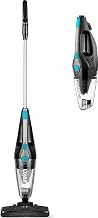
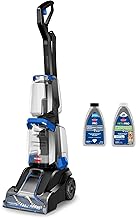
BISSELL TurboClean Upright with OXY Formula (3952)
A sensible starting point for anyone whose main concern is refreshing a bedroom rug rather than restoring a wrecked one, with a lightweight upright body that’s easy to control across a rug’s edges. The included Oxy Urine Eliminator is genuinely useful for neutralizing odor at the source instead of masking it, which matters when the rug sits three feet from your pillow.
Hoover PowerScrub Deluxe with Pet & Upholstery Tools
The SpinScrub brush system does the mechanical work that stubborn, ground-in soil actually requires, and HeatForce drying meaningfully reduces the window in which a damp rug can grow anything unpleasant. The upholstery tool makes this a strong pick if you also want to address a bedroom chair or fabric bed frame.
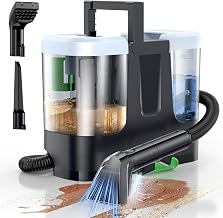
BISSELL TurboClean Pet XL (3746)
The larger tank is the point here — on a big living-room or bedroom rug you can finish in one session instead of stopping repeatedly to refill and dump. Pet hair pickup is noticeably better than average, which is significant given that dander is a leading cause of nocturnal airway irritation.
Hoover SmartWash+ Automatic Carpet Cleaner
The automatic wash-and-dry sequencing removes the main way people ruin rugs: over-wetting them. If you’re new to deep cleaning and worried about leaving a soggy pile behind, this is the most forgiving machine on the list.
Hoover PowerDash Pet Compact
Light, narrow, and easy to grab for a single rug or a quick spot treatment, with an antimicrobial brush roll that resists odor developing inside the machine between uses. Its HeatForce drying is the reason I recommend it for bedrooms specifically.
Frequently Asked Questions
How often should I deep clean a bedroom rug?
Every three to six months for most households, and quarterly if you have pets, allergies, or a rug directly beside the bed. Spot-treat spills immediately regardless.
Will this actually help me sleep better?
Indirectly, yes. Reducing dust mite allergen and dander lowers nighttime nasal congestion, and less congestion means fewer micro-arousals and less mouth breathing — both linked to lighter, more fragmented sleep.
How long before I can put furniture back?
Wait until the rug is dry to the touch on both faces, typically four to eight hours with heated drying and longer without. Lift one corner and check the backing, not just the pile.
Can I use these on wool or antique rugs?
Cautiously. Test an inconspicuous corner first, avoid saturating the pile, and consider professional cleaning for hand-knotted or viscose pieces, which can shrink or lose color.
Final Thoughts
For most bedrooms, the Hoover SmartWash+ is the safest choice because its automatic drying pass makes over-wetting difficult, while the Hoover PowerScrub Deluxe delivers the deeper agitation older rugs need. If you share your bed with a pet — or the rug with one — the BISSELL TurboClean Pet XL handles the volume and the odor better than anything else here.