Key takeaways
- Measure the reclined footprint, not the folded one: A 70″ sofa can eat 40 inches of floor depth once it’s flat. Chalk-tape the outline on your floor at home before you buy, and confirm your school’s fire code clearance around doorways and vents.
- Prioritize foam density over thickness: A 6″ high-density core will out-support a 10″ low-density one every time. Cheap foam compresses into a hammock shape, which pulls the lumbar spine out of neutral and produces the classic “I slept, but badly” morning.
- Think about heat, not just softness: Core body temperature has to drop for sleep to consolidate. Faux leather wipes clean but sleeps warm; corduroy, woven polyester, and breathable knits move moisture far better. If you run hot, skip the vinyl or plan on a cotton sheet over it.
- Check the recline stops: Multi-angle backrests are worth real money in a dorm, because they let one piece of furniture serve as a study chair, a lounge, and a bed. Look for at least three locked positions, not a hinge that free-floats.
- Confirm you can assemble it alone in a stairwell: Tool-free or minimal-hardware designs matter when your move-in window is ninety minutes and the elevator line is forty deep. Rollable floor futons win here outright.
What's inside
Dorm rooms are engineered for storage, not for sleep. You get a narrow bed, a roommate three feet away, overhead fluorescents, and a radiator with opinions of its own. Then a friend crashes for the weekend, or you realize the only place to sit and read is the same mattress you’re trying to associate with unconsciousness. That last part matters more than most students realize: sleep researchers talk about “stimulus control,” the idea that your brain learns to link a specific surface with a specific state. When the bed doubles as your couch, desk chair, and dining room, it stops being a sleep cue and becomes a general-purpose zone — and sleep onset gets slower.
A good dorm futon solves both problems at once. It gives you a legitimate place to sit that isn’t your mattress, and it converts into a real sleeping surface when someone needs one. The catch is that most futons are built to a price point that shows up in the third week, when the foam has gone flat and the frame has developed a personality. Below, I’ve evaluated the current crop of dorm-friendly options through a sleep-quality lens — support that holds up under body weight, materials that manage heat rather than trap it, and footprints that actually fit a shared 12-by-19 room. I’ve also included a checklist for anyone shopping on a move-in deadline.
As an Amazon Associate we earn from qualifying purchases.


How to Choose a Futon for Dorms (2026)
- Measure the reclined footprint, not the folded one: A 70″ sofa can eat 40 inches of floor depth once it’s flat. Chalk-tape the outline on your floor at home before you buy, and confirm your school’s fire code clearance around doorways and vents.
- Prioritize foam density over thickness: A 6″ high-density core will out-support a 10″ low-density one every time. Cheap foam compresses into a hammock shape, which pulls the lumbar spine out of neutral and produces the classic “I slept, but badly” morning.
- Think about heat, not just softness: Core body temperature has to drop for sleep to consolidate. Faux leather wipes clean but sleeps warm; corduroy, woven polyester, and breathable knits move moisture far better. If you run hot, skip the vinyl or plan on a cotton sheet over it.
- Check the recline stops: Multi-angle backrests are worth real money in a dorm, because they let one piece of furniture serve as a study chair, a lounge, and a bed. Look for at least three locked positions, not a hinge that free-floats.
- Confirm you can assemble it alone in a stairwell: Tool-free or minimal-hardware designs matter when your move-in window is ninety minutes and the elevator line is forty deep. Rollable floor futons win here outright.
The Best Futons for Dorms (2026), Reviewed
Flamaker Convertible Futon Sofa Bed
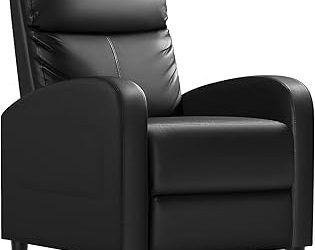
The black faux-leather build is the easiest to clean of anything here, which is a genuine advantage in a room where food happens on the furniture — and the removable armrests let it stretch into a flat sleeping platform rather than a truncated one. My one caveat is thermal: vinyl-style upholstery doesn’t breathe, so throw a cotton sheet over it before you sleep on it.
8″ Corduroy Futon Mattress, Full
This is the pick I’d hand to a student who already has seating and just needs a real guest sleep surface. The high-resilience foam at 8 inches gives you enough depth for side-sleeping without bottoming out at the hip, the corduroy face breathes well, and the storage straps mean it lives in a closet the other 340 days of the year.
6th Generation Japanese Floor Futon, Twin
The most sleep-forward option on this list: nine layers of high-density foam in a 39″×80″ twin, which is a full-length adult sleeping surface rather than a compromise. It rolls up, weighs little, and needs no assembly — ideal for lofted-bed rooms where floor space is the only space you have.
59″ 5-in-1 Folding Sleeper Chair
At 59 inches this is the best fit for genuinely tight rooms, and the five configurations mean it earns its footprint several times a day. Grey woven upholstery sleeps cooler than the leatherette alternatives, and the removable armrests let it lie properly flat.
COMHOMA 72″ Convertible Futon Sofa Bed
The standout here is the multi-angle ergonomic backrest, which is the closest thing on this list to a supportive study position — meaningful if you’d otherwise be reading in bed and blurring your sleep cues. Breathable fabric and 72 inches of length make it the best two-person sofa that still converts honestly.
Frequently Asked Questions
Can you sleep on a dorm futon every night?
On a high-density foam model, yes — plenty of students do. What fails first is low-density foam, which develops a permanent sag within a couple of months and stops supporting the lower back. If it’s your primary bed, buy for foam quality and add a 2″ topper.
Floor futon or futon sofa bed?
Floor futons offer better sleep per dollar and store away completely; sofa beds offer seating you’ll use daily. If your bed is lofted and you have floor area, a Japanese-style floor futon is the stronger sleep choice.
Will a futon fit a standard dorm room?
Most 59″–72″ models fit, but check the reclined depth against your open floor plan and your school’s egress rules. Loveseat-width options under 60 inches are the safest bet for doubles.
How do I keep a futon from smelling in a shared room?
Air it out before first use to let off-gassing dissipate, use a washable cover, and stand floor futons up weekly so trapped moisture can escape. Foam holds humidity, and humidity is what actually causes odor.
Final Thoughts
If sleep quality is your priority, the 6th Generation Japanese Floor Futon is the most honest mattress in this group and the easiest to store. If you need furniture that works all day, the COMHOMA 72″ convertible offers the best combination of breathable upholstery and genuinely supportive recline positions, while the 59″ 5-in-1 sleeper chair is the smartest choice when every inch of floor is already accounted for.