Key takeaways
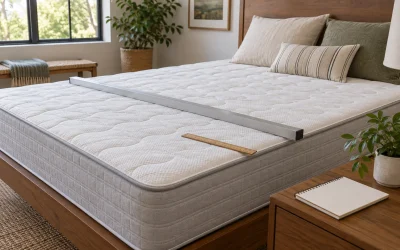
- Match thickness to the problem: Thin pads of one to two inches refresh a mattress that’s merely firm. If you can feel coils or a distinct sag, you need three to four inches of genuine loft — anything less compresses to nothing under the heaviest part of your body, which is exactly where you needed the support.
- Look for airflow architecture, not cooling adjectives: Heat leaves a bed by convection and by wicking. Open-cell or convoluted foam, a breathable fiber fill, and a fabric that moves moisture (viscose from bamboo, Tencel, or an engineered cooling knit) all do real work. Phase-change finishes feel dramatic on first contact but equalize within twenty minutes.
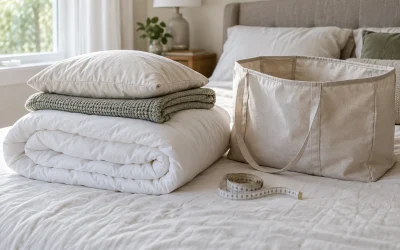
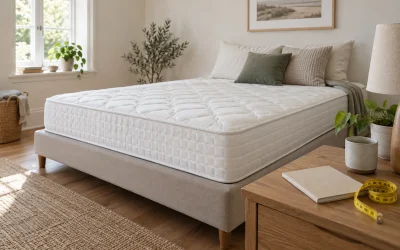
- Check the pocket depth against your actual mattress: Measure your mattress with any protector already on it, then add an inch. Deep-pocket skirts rated to 18 to 20 inches accommodate almost everything; a shallow skirt on a tall mattress will pop free at 3 a.m., every night, forever.
- Decide whether you need waterproofing: Combining protection and padding in one layer is efficient for kids, pets, or anyone managing incontinence or night sweats. Just accept the tradeoff — a membrane is a vapor barrier, so choose a protector-topper hybrid with a thick quilted face to buffer the film away from your skin.
- Verify foam certification and let it air out: CertiPUR-US indicates testing for formaldehyde, heavy metals, and low VOC emissions. Regardless, unbox any foam product and give it 24 to 72 hours in a ventilated room before sleeping on it, and expect full loft to develop over the first week.
What's inside
Most people who buy a mattress topper aren’t chasing luxury — they’re troubleshooting. The mattress is two years past its honeymoon phase, the hips sink a little too far, and the surface holds heat like a closed car in July. Replacing the whole thing costs four figures. A topper costs a fraction of that, but the category is crowded with products that promise cooling and deliver a plastic-backed pad that sleeps hotter than what it covers.
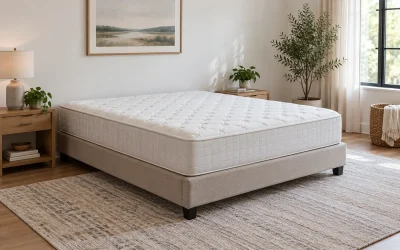
Hybrid toppers are the most useful answer to that problem, because they stop asking one material to do every job. A quilted or fiber-filled top layer handles the initial cushioning and wicks moisture away from skin; a denser foam or coil-adjacent support layer underneath does the structural work of keeping the spine neutral. Below you’ll find the models worth your money in 2026, followed by the specifications that actually predict whether a topper will help you — and the ones that are mostly marketing.
As an Amazon Associate we earn from qualifying purchases.




🛒 Best Price Today on Amazon
Prime members get fast, free shipping on everything above, plus member-only deals. New members get a 30-day free trial — cancel anytime.
How to Choose a Hybrid Mattress Topper (2026)
- Match thickness to the problem: Thin pads of one to two inches refresh a mattress that’s merely firm. If you can feel coils or a distinct sag, you need three to four inches of genuine loft — anything less compresses to nothing under the heaviest part of your body, which is exactly where you needed the support.
- Look for airflow architecture, not cooling adjectives: Heat leaves a bed by convection and by wicking. Open-cell or convoluted foam, a breathable fiber fill, and a fabric that moves moisture (viscose from bamboo, Tencel, or an engineered cooling knit) all do real work. Phase-change finishes feel dramatic on first contact but equalize within twenty minutes.
- Check the pocket depth against your actual mattress: Measure your mattress with any protector already on it, then add an inch. Deep-pocket skirts rated to 18 to 20 inches accommodate almost everything; a shallow skirt on a tall mattress will pop free at 3 a.m., every night, forever.
- Decide whether you need waterproofing: Combining protection and padding in one layer is efficient for kids, pets, or anyone managing incontinence or night sweats. Just accept the tradeoff — a membrane is a vapor barrier, so choose a protector-topper hybrid with a thick quilted face to buffer the film away from your skin.
- Verify foam certification and let it air out: CertiPUR-US indicates testing for formaldehyde, heavy metals, and low VOC emissions. Regardless, unbox any foam product and give it 24 to 72 hours in a ventilated room before sleeping on it, and expect full loft to develop over the first week.
The Best Hybrid Mattress Toppers (2026) Reviewed
ViscoSoft 4-Inch Pillow Top Memory Foam Topper
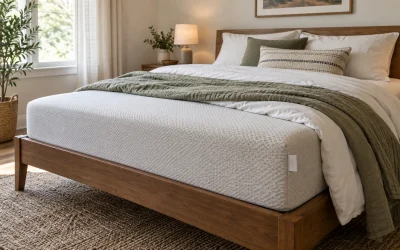
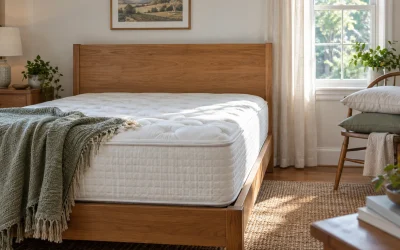
This is the strongest choice for a mattress that has genuinely lost its support, pairing a gel-infused memory foam base with a quilted fiber pillow top so you get contouring without the quicksand sensation of foam alone. Four inches is substantial — confirm your sheets have the depth to cope before ordering.
SafeRest CloudGuard Hybrid Protector & Pad
The most practical pick for households where spills are inevitable, combining waterproof protection with padding thick enough to feel like a deliberate comfort upgrade rather than a defensive measure. The quilted face keeps the membrane at a comfortable distance, though light sleepers may notice a faint crinkle in the first few weeks.
Beckham Hotel Collection Mattress Pad & Protector
Beckham has built a following on hotel-style plushness at accessible prices, and this hybrid pad delivers that cloud-like surface while still guarding the mattress underneath. Ideal for guest rooms, where you want an immediate impression of comfort without committing to a four-inch topper.
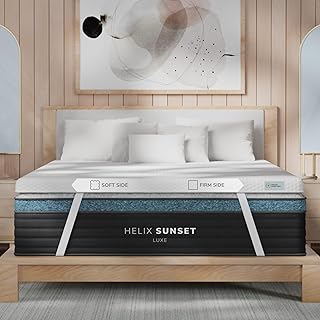
Helix Dual Comfort Topper with GlacioTex
The flippable construction is the standout feature here: one side tuned firmer, the other softer, with a GlacioTex cooling cover that measurably reduces surface temperature on contact. It’s the smartest option for couples who disagree about feel, or for anyone whose preferences shift with the seasons.
Niagara Sleep Solution Ultra Soft & Cooling Topper
A rayon-from-bamboo cover and a 20-inch deep pocket make this a reliable choice for hot sleepers with a tall mattress, and reviewers consistently mention relief from lower-back stiffness. The plush-but-supportive balance suits back and combination sleepers better than dedicated side sleepers.
Frequently Asked Questions
Will a topper fix a sagging mattress?
It can mask a mild dip and buy you a year or two, but it cannot restore support the mattress no longer provides. If you can see a visible valley or feel the coils, a topper is a temporary measure rather than a repair.
Do hybrid toppers actually sleep cooler than memory foam?
Generally yes, because the fiber or quilted layer sits between you and the foam, allowing air movement where memory foam alone would seal against your body. Pairing one with breathable cotton or bamboo-derived sheets compounds the effect.
How do I keep a topper from sliding around?
Choose a fitted-skirt design rather than a loose slab, and confirm the pocket depth exceeds your mattress height. For non-fitted foam toppers, a tight fitted sheet stretched over both topper and mattress solves the problem.
How often should a topper be replaced?
Quilted fiber pads typically hold their loft for two to three years with regular laundering; quality foam layers last three to five. When you start waking with the same aches the topper originally solved, the material has fatigued.
Final Thoughts
For serious support recovery, the ViscoSoft 4-inch pillow top is the most transformative option on this list. Couples and temperature-sensitive sleepers should look first at the Helix Dual Comfort with GlacioTex for its flippable firmness and genuine cooling performance. And if protection matters as much as comfort, the SafeRest CloudGuard handles both jobs without the thin, clammy feel that gives waterproof pads their reputation.