Key takeaways
- Thickness matched to load: Two to three inches is enough to soften a firm mattress without losing its support. Four to five inches is for heavier sleepers or beds that have developed a visible dip — go thick only if you need the foam to redistribute weight, not just cushion it.
- Support over softness: Back pain responds to a surface that keeps your lumbar curve neutral. A topper that swallows your hips will tilt your pelvis and make mornings worse. Look for dual-layer builds or a medium-firm feel rather than the plushest option available.
- Heat management: Traditional memory foam stores body heat, and restless, sweaty sleep undermines the recovery your back needs. Gel infusions, open-cell structures, and breathable bamboo-derived covers all measurably help hot sleepers.
- Certified foam and off-gassing: CertiPUR-US certification tells you the foam has been tested for emissions and prohibited flame retardants. Expect a mild new-foam smell for two to three days; air the topper out before dressing the bed.
- Anchoring and depth: A topper that migrates overnight creates the exact uneven surface you’re trying to fix. Four-way elastic straps or a deep-pocket skirt — 18 inches or more — keep everything flat and predictable.
What's inside
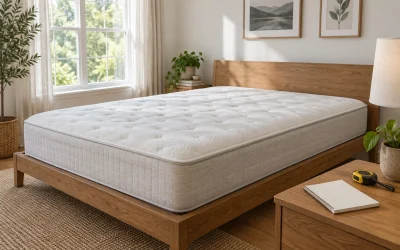
Back pain that shows up at 3 a.m. and lingers through your first coffee is rarely a mystery. More often than not, it traces back to a mattress that has quietly stopped doing its job — the foam beneath your hips has softened, the support layer has flattened, and your spine spends seven hours negotiating with a surface that no longer holds its shape. Replacing a mattress is expensive and, in many cases, premature. A well-chosen memory foam topper solves the same problem for a fraction of the cost by rebuilding the pressure-relief layer where your body actually loads the bed.
This guide is written from a sleep-wellness perspective rather than a sales one. Below you’ll find the toppers I’d recommend to someone reporting lumbar or sacral discomfort in 2026, along with a practical framework for matching thickness, density, and cooling behavior to your sleep position and body weight. Read the selection criteria first — the right topper for a 130-pound side sleeper is genuinely the wrong topper for a 220-pound back sleeper, and thickness alone won’t tell you which is which.
As an Amazon Associate we earn from qualifying purchases.


🛒 Best Price Today on Amazon
Prime members get fast, free shipping on everything above, plus member-only deals. New members get a 30-day free trial — cancel anytime.
How to Choose a Memory Foam Mattress Topper For Back Pain (2026)
- Thickness matched to load: Two to three inches is enough to soften a firm mattress without losing its support. Four to five inches is for heavier sleepers or beds that have developed a visible dip — go thick only if you need the foam to redistribute weight, not just cushion it.
- Support over softness: Back pain responds to a surface that keeps your lumbar curve neutral. A topper that swallows your hips will tilt your pelvis and make mornings worse. Look for dual-layer builds or a medium-firm feel rather than the plushest option available.
- Heat management: Traditional memory foam stores body heat, and restless, sweaty sleep undermines the recovery your back needs. Gel infusions, open-cell structures, and breathable bamboo-derived covers all measurably help hot sleepers.
- Certified foam and off-gassing: CertiPUR-US certification tells you the foam has been tested for emissions and prohibited flame retardants. Expect a mild new-foam smell for two to three days; air the topper out before dressing the bed.
- Anchoring and depth: A topper that migrates overnight creates the exact uneven surface you’re trying to fix. Four-way elastic straps or a deep-pocket skirt — 18 inches or more — keep everything flat and predictable.
The Best Memory Foam Mattress Toppers For Back Pain (2026) Reviewed
WhatsBedding 5 Inch Memory Foam Topper (Queen)
This is the one to reach for when a sagging mattress is the root cause, since five inches of foam plus a lofted pillow-top layer effectively rebuilds the comfort system from scratch. Heavier sleepers and those who wake with sacral soreness tend to notice the difference within a week, though be aware it will raise your bed height enough to need deeper sheets.
MASVIS King Dual Layer 4 Inch Topper
The dual-layer construction is what earns this a place here: two inches of gel memory foam handles contouring while the quilted pillow top above it prevents that sunken, slow-response feel. Its medium support profile is arguably the best all-round match for back sleepers who want cushioning without losing spinal alignment.
WhatsBedding 4 Inch Gel Memory Foam Topper (King)
A more moderate take on the same formula — enough depth for real pressure redistribution across the hips and shoulders, with gel infusion doing the heat-dissipation work. I’d point combination sleepers here, since it contours without making position changes feel like hard work.
SHOUREN 5 Inch Gel Memory Foam Topper (Queen)
Deep body contouring with genuinely useful engineering around it: the four-way strap system keeps the topper anchored, which matters more at this thickness than most buyers expect. Best suited to those who want maximum pressure relief and don’t mind a plusher, more enveloping surface.
Linenspa 3 Inch Gel Infused Topper (Queen)
The sensible entry point. Three inches of CertiPUR-certified gel foam is often all a structurally sound but overly firm mattress needs, and it’s the option I suggest to anyone who isn’t yet sure whether foam suits them.
Frequently Asked Questions
Does a memory foam topper actually help back pain?
It helps when the pain stems from poor pressure distribution or a worn comfort layer — both common causes. It won’t correct a broken foundation, a sagging box spring, or an underlying clinical condition, so see a physician if pain is severe, one-sided, or accompanied by numbness.
How thick should my topper be?
Three inches suits most people on a firm, intact mattress. Move to four or five inches if you weigh more than roughly 200 pounds, sleep primarily on your side, or your mattress has an established dip.
Will memory foam make me sleep hot?
Older formulations did. Gel-infused foam, open-cell structures, and bamboo-derived covers have narrowed that gap considerably — prioritize those features if you’re a warm sleeper.
How long before I feel a difference?
Give it two to four weeks. Your body needs time to adapt to a new support profile, and it’s normal to feel slightly worse for the first few nights before improvement settles in.
Final Thoughts
For most people with back pain, the MASVIS Dual Layer 4 Inch topper strikes the best balance between contouring and genuine spinal support, making it the strongest all-round pick for 2026. If your mattress has visibly sagged, the WhatsBedding 5 Inch offers the depth needed to compensate, while the Linenspa 3 Inch remains the smartest low-risk way to test whether memory foam works for your body at all.