Key takeaways
- Measure the real clearance, not the advertised one: “Wall hugger” isn’t a standardized term. Most models want 3–6 inches behind the frame, and power units need extra room for the transformer box and cable strain relief. Measure to your baseboard, then add two inches of tolerance.
- Prioritize recline range over recline count: For genuine rest, the useful zone is 120–150 degrees, where the torso-to-thigh angle relieves lumbar compression. Models advertising 150° adjustable positioning give you a true reclined-sleep option; shallower mechanisms top out at a TV-watching angle only.
- Insist on a power headrest if you nap: A fixed headrest that pushes the chin toward the chest narrows the airway and encourages mouth breathing and snoring. Independently adjustable headrests let you keep the cervical spine neutral at any backrest angle — the single biggest comfort variable in this category.
- Treat lighting and speakers as sleep hygiene features: LED accent lighting and Bluetooth audio are genuinely useful for a dark media room, but choose units where the light can be dimmed or switched off independently. Bright, blue-forward LEDs at close range will delay sleep onset.
- Match upholstery to your climate and your sweat: Genuine leather breathes and ages well but feels cold in winter. Velvet fabric holds warmth and dampens sound. Faux leather wipes clean — a real advantage in RVs and with pets — but traps heat, which matters if you tend to run hot at night.
What's inside
Most people shopping for a reclining loveseat are solving a spatial problem: the sofa they want needs three feet of clearance behind it, and the room simply doesn’t have three feet to give. Wall hugger mechanisms answer that by shifting the seat forward as the back rotates, which means you can park the frame within a few inches of drywall and still get a full recline. But as a sleep and rest specialist, I’d argue there’s a second problem hiding underneath the first one — the reclining seat in a small living room, den, or RV is often where people do their real resting. It’s where the evening wind-down happens, where the nap happens, where someone with reflux or sleep apnea ends up sleeping through the night. A chair chosen only for its footprint tends to be a chair that quietly degrades your rest.
This guide looks at the current crop of wall hugger reclining loveseats through both lenses: how little room they need, and how well they actually support the body at rest. I’ve weighted recline angle, headrest independence, lumbar behavior at intermediate positions, and the practical details that determine whether you fall asleep in the thing on purpose or by accident — charging within arm’s reach, a console that doesn’t force you into a shoulder-forward slouch, and lighting warm enough not to sabotage melatonin.
As an Amazon Associate we earn from qualifying purchases.



How to Choose a Wall Hugger Reclining Loveseat (2026)
- Measure the real clearance, not the advertised one: “Wall hugger” isn’t a standardized term. Most models want 3–6 inches behind the frame, and power units need extra room for the transformer box and cable strain relief. Measure to your baseboard, then add two inches of tolerance.
- Prioritize recline range over recline count: For genuine rest, the useful zone is 120–150 degrees, where the torso-to-thigh angle relieves lumbar compression. Models advertising 150° adjustable positioning give you a true reclined-sleep option; shallower mechanisms top out at a TV-watching angle only.
- Insist on a power headrest if you nap: A fixed headrest that pushes the chin toward the chest narrows the airway and encourages mouth breathing and snoring. Independently adjustable headrests let you keep the cervical spine neutral at any backrest angle — the single biggest comfort variable in this category.
- Treat lighting and speakers as sleep hygiene features: LED accent lighting and Bluetooth audio are genuinely useful for a dark media room, but choose units where the light can be dimmed or switched off independently. Bright, blue-forward LEDs at close range will delay sleep onset.
- Match upholstery to your climate and your sweat: Genuine leather breathes and ages well but feels cold in winter. Velvet fabric holds warmth and dampens sound. Faux leather wipes clean — a real advantage in RVs and with pets — but traps heat, which matters if you tend to run hot at night.
The Best Wall Hugger Reclining Loveseats (2026) Reviewed
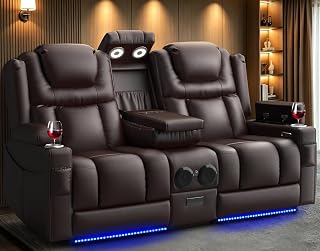
Watson & Whitely Power Reclining Loveseat, 2-Seater (Saddle)
This is the one I’d point a serious rest-seeker toward: genuine leather, dual power recliners, and — critically — power headrests that let you fine-tune cervical alignment independently of the backrest. USB and USB-C ports mean a phone or CPAP remote stays charged without a floor cable, and the saddle leather will look better in five years than it does on day one.
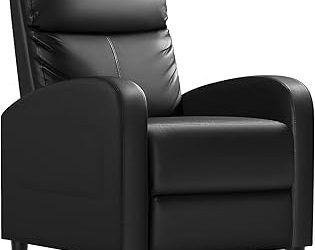
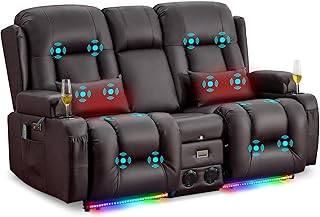
URRED Power Loveseat Recliner with Massage and Heat (Dark Brown)
The heat function is the standout here, and not just as a luxury: gentle lumbar warmth relaxes paraspinal muscles and can meaningfully shorten the time it takes to settle. The faux leather wipes down easily for RV duty, though expect it to run warm on summer evenings.
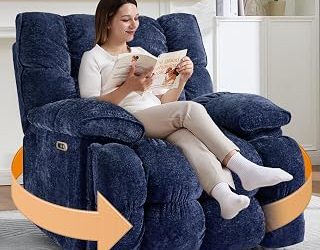
Velvet RV Loveseat Recliner with USB Ports and 150° Recline
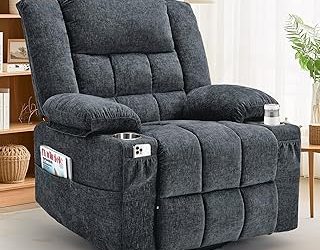
The best-balanced option for actual sleeping, thanks to a 150-degree range that opens the hip angle rather than just tilting you back. Velvet insulates well for cool-weather travel and absorbs cabin echo, and the pocket-and-cup-holder layout keeps water and medications within reach without reaching across your body.
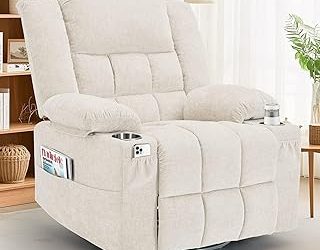
RV Reclining Loveseat with Massage and 150° Recline
A near-twin to the above with vibration massage added, which some users find helpful for restless legs and lower-back tension before sleep. Wall clearance is modest and the frame is light enough for trailer installation, making it a sensible pick for full-timers.
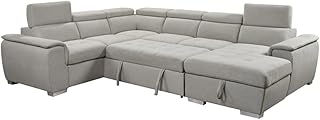
Power Reclining Loveseat with LED Reading Light, Storage Drawer, and Bluetooth Speakers (Grey)
The most thoughtfully specified media unit on this list — the directed reading light means you can read at night without flooding the room, and the console drawer keeps a sleep mask or earplugs where you’ll actually use them. Built-in outlets round out a genuinely self-contained wind-down station.
Frequently Asked Questions
How much space does a wall hugger loveseat really need?
Plan on 3–6 inches from the wall for the mechanism, plus clearance for a power brick and cord bend. Confirm the manufacturer’s figure against your own tape measure before ordering.
Is sleeping in a recliner bad for you?
Not inherently — clinicians often recommend reclined sleep for reflux, post-surgical recovery, and some breathing disorders. The risks are poor neck support and reduced leg movement, so choose an adjustable headrest and get up to walk periodically.
Do I need a console model?
A console adds storage, cup holders, and usually charging, at the cost of a few inches of seat width. Flip-back consoles are a good compromise if you occasionally want an unbroken surface.
Are massage and heat features worth it?
They’re modest but real: warmth aids muscle relaxation, and light vibration can ease pre-sleep restlessness. Treat them as a bonus rather than the deciding factor.
Final Thoughts
For a living room where the loveseat doubles as a rest space, the Watson & Whitely genuine leather model earns the top spot on the strength of its power headrests and durable upholstery. If you’re outfitting an RV or want the fullest recline for actual sleeping, the 150-degree velvet RV loveseat is the smarter buy, while the grey Bluetooth-and-reading-light unit is the best all-around choice for a dedicated media room.