Key takeaways
- Recline depth over recline count: Infinite-position motors matter more than preset stops. The angle that helps you drift off — roughly 125 to 135 degrees, with your knees at or above hip level — is highly individual, and preset chairs rarely land on it. Look for continuous adjustment and an independent headrest so you can support your cervical spine without pushing your chin toward your chest.
- Motor acoustics and travel speed: Test how the mechanism sounds and how slowly it moves. A motor that hums below conversational volume and travels gradually won’t rouse a light sleeper mid-transition; a fast, clunky actuator will undo twenty minutes of rocking. Glider and swivel functions should also feel damped rather than springy.
- Upholstery you can breathe against: You’ll be skin-to-fabric for long stretches, sometimes overheated from feeding. Prioritize OEKO-TEX 100, GREENGUARD Gold, or CertiPUR-US certified textiles and foam, which limit VOC off-gassing in a small, often closed room — a genuine factor in nursery air quality and in your own sleep depth.
- Footprint and wall clearance: Measure the reclined depth, not the upright depth. Many nursery gliders need eight to twelve inches of rear clearance to fully extend; some wall-hugger designs need under four. Also confirm seat width honestly — a 26-inch seat feels generous during pregnancy and postpartum, while a 20-inch seat will not.
- Power delivery and reachable storage: USB-A and USB-C ports built into the chair keep your phone charged through overnight feeds without a cable stretched across the floor. Side pockets or armrest storage for burp cloths, water, and a pacifier prevent the standing-up-and-sitting-back-down cycle that fully wakes you.
What's inside
Most nursery shopping lists are built around the baby. The crib gets researched for weeks, the monitor gets compared across six spreadsheets, and the chair — the single piece of furniture where a parent will log hundreds of hours of night feeds, contact naps, and 3 a.m. bottle prep — gets chosen last, often on looks alone. From a sleep-wellness perspective, that’s backwards. Fragmented sleep is the defining physiological stressor of the first year, and the surface you recover on between wakings has a measurable effect on how well you re-enter sleep afterward. A chair that forces you to sit upright, brace your neck, or wrestle a manual lever with a sleeping infant on your chest is quietly costing you rest you can’t get back.
Power recliners solve a specific problem: they let you change position in near silence, one-handed, without recruiting your core or disturbing a baby who has finally settled. This guide looks at the models worth considering in 2026 — what to prioritize in recline range, upholstery certifications, and motor noise, followed by hands-on assessments of the leading options and answers to the questions parents ask most.
As an Amazon Associate we earn from qualifying purchases.


How to Choose a Power Recliner For Nursery (2026)
- Recline depth over recline count: Infinite-position motors matter more than preset stops. The angle that helps you drift off — roughly 125 to 135 degrees, with your knees at or above hip level — is highly individual, and preset chairs rarely land on it. Look for continuous adjustment and an independent headrest so you can support your cervical spine without pushing your chin toward your chest.
- Motor acoustics and travel speed: Test how the mechanism sounds and how slowly it moves. A motor that hums below conversational volume and travels gradually won’t rouse a light sleeper mid-transition; a fast, clunky actuator will undo twenty minutes of rocking. Glider and swivel functions should also feel damped rather than springy.
- Upholstery you can breathe against: You’ll be skin-to-fabric for long stretches, sometimes overheated from feeding. Prioritize OEKO-TEX 100, GREENGUARD Gold, or CertiPUR-US certified textiles and foam, which limit VOC off-gassing in a small, often closed room — a genuine factor in nursery air quality and in your own sleep depth.
- Footprint and wall clearance: Measure the reclined depth, not the upright depth. Many nursery gliders need eight to twelve inches of rear clearance to fully extend; some wall-hugger designs need under four. Also confirm seat width honestly — a 26-inch seat feels generous during pregnancy and postpartum, while a 20-inch seat will not.
- Power delivery and reachable storage: USB-A and USB-C ports built into the chair keep your phone charged through overnight feeds without a cable stretched across the floor. Side pockets or armrest storage for burp cloths, water, and a pacifier prevent the standing-up-and-sitting-back-down cycle that fully wakes you.
The Best Power Recliners For Nursery (2026) Reviewed
Graco Teddi Nursery Power Recliner Swivel Glider
The Teddi is the most balanced option here: OEKO-TEX 100 certified ivory bouclé, genuinely quiet electronic recline, and both USB-A and USB-C charging on the side panel. Cushioning is dense enough to stay supportive after months of nightly use rather than collapsing into a hammock shape.
Babyletto Kiwi Electric Recliner Glider
Babyletto’s Kiwi pairs GREENGUARD Gold and CertiPUR-US certification with a 270-degree swivel that makes reaching a changing table or bassinet effortless without standing. The Performance Navy eco-twill resists the inevitable spills, and assembly is unusually painless for a powered piece.
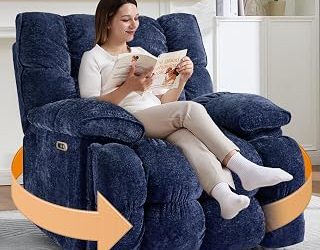
Power Nursery Recliner 26″ Swivel Rocker with Adjustable Headrest
At 26 inches of seat width with an independently adjustable headrest and infinite-position recline, this is the best choice for taller or larger parents and for anyone planning to sleep in the chair during regressions. The removable cushion cover is a practical advantage over sealed upholstery.
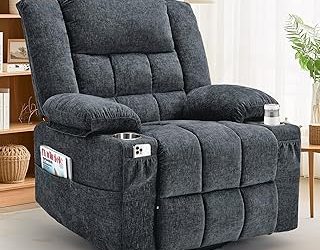
Electric Power Recliner with Glider, Swivel, Massage and Heat
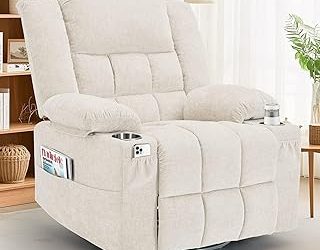
Lumbar heat and gentle massage are more than novelties postpartum, particularly for the mid-back tension that comes from feeding posture. Infinite-position recline and a compact footprint make it viable in smaller nurseries, though run the massage function only while awake.
Korser Power Recliner with USB Ports and Side Pockets
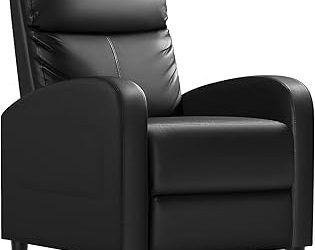
Korser’s linen-look beige model is the value standout — smooth powered recline, swivel and rocking, and deep side pockets for night-feed supplies. Support is firmer than the plush picks above, which some parents prefer for easier standing.
Frequently Asked Questions
Is it safe to fall asleep in a nursery recliner holding my baby?
No. Pediatric guidance is consistent that adult sleep surfaces — including recliners, gliders, and sofas — carry significant suffocation and positional asphyxia risk for infants. Use the chair for feeding and soothing while awake, then move your baby to a firm, flat crib or bassinet on their back.
Do these chairs need to be near an outlet?
Most require a wall outlet for the motor and USB ports. A few models offer a rechargeable battery pack sold separately, which is worth considering if your ideal chair placement is away from a wall.
How much clearance do I need behind the chair?
Plan on eight to twelve inches for standard nursery recliners, or verify the manufacturer’s wall-hugger specification. Gliding and swiveling also require several inches of side clearance to avoid knocking a dresser or crib.
Will a power recliner still be useful after the newborn stage?
Yes — most transition well into a reading chair for toddler bedtime routines and later into a living room or bedroom seat. That longevity is a reasonable argument for spending more on certified upholstery and a quality motor.
Final Thoughts
For most families, the Graco Teddi offers the best combination of certified low-emission materials, quiet powered recline, and modern charging in a nursery-appropriate silhouette. Choose the Babyletto Kiwi if third-party certification and a durable performance fabric top your list, and the 26″ Power Nursery Recliner if you want maximum seat width and headrest control for the long nights ahead.