Key takeaways
- Rotate the rug 180° twice a year so foot traffic and sunlight wear it evenly.
- Expect shedding for the first three to six months on new wool — it’s normal fiber release, not a defect.
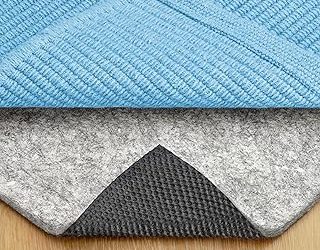
- Use a breathable rug pad; solid rubber backing traps humidity against the wool and the floor.
- Air the rug outdoors in shade on a dry, breezy day — wool releases moisture and odor passively better than any spray.
What's inside
Most people think of a wool rug as decor. If it lives in your bedroom, it’s closer to bedding. Wool fibers are hygroscopic and crimped, which means they trap skin cells, pet dander, pollen tracked in on socks, and the fine dust that settles overnight — and then release a portion of it back into the air every time you swing your feet out of bed. As someone who spends most of my working hours helping people troubleshoot restless nights, I’ve learned that soft furnishings within a meter of the pillow deserve the same attention as the mattress. A neglected wool rug is a quiet contributor to morning congestion, throat scratchiness, and that vague “I slept, but I don’t feel rested” complaint.
The good news: wool is remarkably self-defending. Its lanolin residue and scaled fiber surface resist soil and odor far better than synthetics, so the correct approach is gentler and less frequent than you’d expect. Below, I’ll walk you through a maintenance rhythm that protects the fiber, a stain protocol that won’t felt or bleach your rug, and the small handful of tools genuinely worth owning. I’ll also flag the two mistakes that ruin more wool rugs than pets and children combined.
As an Amazon Associate we earn from qualifying purchases.



Start With Dry Soil Removal, Not Water
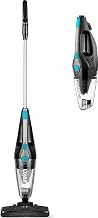
Roughly 80% of what’s in a wool pile is dry particulate, and water turns dry particulate into mud that migrates toward the backing. So the sequence is always: agitate, lift, then (only if needed) treat. Vacuum the rug twice weekly on a suction-only setting or with the beater bar raised — aggressive rotating brushes fuzz wool and accelerate shedding. Work in two directions, second pass perpendicular to the first, because crimped fibers hide grit in their bends. Every few months, flip the rug over and vacuum the floor beneath it; that’s where the heaviest debris ends up, and it’s the layer that actually affects bedroom air.
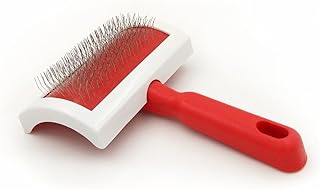
Choose a Brush That Matches the Pile
Short, flat-woven wool responds to vacuuming alone. Long-pile wool, shag, and sheepskin need mechanical fluffing to stay open and breathable — matted fiber traps moisture and holds odor. A dedicated tool like the CleanSheep Sheepskin Cleaning Brush or the MetU Sheepskin Rug Brush has widely spaced, blunt-tipped teeth that comb the pile back to vertical without shredding it. Brush in the direction the fibers naturally lie, using short strokes rather than long raking pulls, and stop the moment you feel resistance. Ten minutes of this on a bedside sheepskin does more for its loft and hygiene than any wet cleaning.
Treat Spills Immediately, and Cold
Wool absorbs liquid fast but releases it reluctantly, so speed matters more than product choice. Blot — never rub — with a white cloth, working from the outside of the spill inward. Heat and alkalinity are wool’s enemies: hot water sets protein stains and can felt the fiber, while high-pH cleaners strip lanolin and dull the color permanently. Avoid anything containing oxygen bleach, chlorine, or enzymes, which digest protein fibers along with the stain. For a targeted spot, a wool-safe foam such as Bissell Woolite Advantage Heavy Traffic Carpet Foam applied to the cloth first (not sprayed directly into the pile) gives you control over moisture. The Woolite Advantage Carpet & Upholstery Cleaner works the same way on rug edges and adjacent upholstered benches or headboards.
Wash Only What’s Genuinely Washable
Small sheepskins, wool throws, and machine-washable flatweaves can be laundered at home — but only with a pH-neutral, enzyme-free detergent. Outback Gold Wool Wash is the type I recommend: plant-based, fragrance-free, HE-compatible, and formulated to leave lanolin intact. Fragrance-free matters specifically for sleep spaces, since added scent in bedding-adjacent textiles is a common and underrated sleep disruptor. Use cold water, the shortest gentle cycle, and no fabric softener. Never tumble dry wool; lay it flat, pile-side up, away from direct sun and radiators, and expect 24 to 48 hours. Large hand-knotted or antique rugs should go to a professional wool specialist, full stop.
Refresh Between Cleanings Without Moisture
When a rug smells stale but isn’t soiled, a dry powder is the right tool. Capture Carpet & Rug Dry Cleaner is sprinkled on, brushed lightly into the pile, left to bind soil and odor, then vacuumed out — no drying time, no risk of a damp backing developing mildew under a bed frame where airflow is poor. This is the single best trick for bedroom rugs, because the leading cause of wool rug damage in sleeping areas isn’t dirt. It’s over-wetting a rug that then dries too slowly in a cool, still, curtained room.
Tips
- Rotate the rug 180° twice a year so foot traffic and sunlight wear it evenly.
- Expect shedding for the first three to six months on new wool — it’s normal fiber release, not a defect.
- Use a breathable rug pad; solid rubber backing traps humidity against the wool and the floor.
- Air the rug outdoors in shade on a dry, breezy day — wool releases moisture and odor passively better than any spray.
Frequently Asked Questions
How often should a bedroom wool rug be deep cleaned?
Professionally, every 18 to 24 months for a bedroom, versus 12 months for a hallway. Bedrooms see low traffic but high skin-cell and dander load, so consistent vacuuming matters more than frequent wet cleaning.
Can I use a steam cleaner on wool?
No. Steam combines the two things wool tolerates worst — heat and saturation — and can cause irreversible felting, shrinkage, and dye bleed.
Does wool actually trigger allergies?
Wool itself rarely does. The reaction is almost always to dust mites and dander held in the pile, which is why regular dry removal, not rug replacement, is the fix.
Why does my rug smell faintly damp after cleaning?
Residual moisture in the backing. Increase airflow with a fan aimed across the surface and lift the rug off the floor until it’s fully dry to the touch on both sides.
Conclusion
Treat a wool rug less like a floor covering and more like a textile you sleep beside: vacuum it often, brush it when the pile flattens, blot spills cold and fast, reach for dry powder before you reach for water, and reserve real washing for small pieces and pH-neutral detergent. Do that consistently and a good wool rug will stay soft, resilient, and air-friendly for decades — which is exactly what you want from something your bare feet meet first thing every morning.