Key takeaways
- Frame construction over stated capacity: A 400 lb rating means little without a steel or reinforced hardwood base. Look for welded steel mechanisms and a five-point or wider footprint — chairs that wobble laterally will loosen within months regardless of the label.
- Seat width and depth together: Aim for at least 24 inches of usable seat width, ideally 26 to 28. Depth matters equally: if your knees hang past the cushion edge, circulation suffers during long sitting or sleeping stretches.
- Recline angle and footrest length: For sleep, 150 degrees or more keeps the spine supported without the sensation of tipping. Taller men should verify footrest extension — an extra 4 to 5 inches prevents heels dangling, a common cause of nighttime calf cramping.
- Motor count if you want lift: Single-motor chairs move the back and footrest as one unit. Dual and three-motor designs let you drop the backrest while keeping legs low, which is the position most people find easiest to breathe in.
- Upholstery and heat retention: Chenille and breathable fabrics wick better than faux leather, which traps heat and disrupts the core temperature drop that initiates sleep. If you run warm at night, avoid vinyl-backed surfaces entirely.
What's inside
Anyone over 250 pounds who has tried to nap in a standard recliner knows the failure points before the tag does: the seat cushion bottoms out within a season, the frame develops that hollow flex under the armrests, and the backrest never quite reaches the angle where the shoulders release. From a sleep-wellness standpoint this matters more than comfort marketing suggests. Larger bodies are statistically more likely to deal with fragmented sleep, reflux at night, and lower-back load that flares in the evening — and a chair that supports a 30-to-45-degree torso incline is often where meaningful rest actually happens, whether that’s an evening wind-down or a full night when lying flat isn’t tolerable.
This guide looks at oversized and heavy-duty recliners through that lens: weight ratings that reflect real frame engineering rather than a number on a box, seat widths that don’t compress the hips, and recline geometry that holds a restorative position instead of collapsing into it. Below are six chairs rated to 400 pounds, spanning simple manual models to three-motor power lift designs, with notes on who each one genuinely suits.
As an Amazon Associate we earn from qualifying purchases.
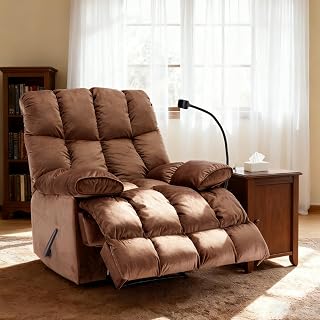


How to Choose a/an Recliner For Heavy Man (2026)
- Frame construction over stated capacity: A 400 lb rating means little without a steel or reinforced hardwood base. Look for welded steel mechanisms and a five-point or wider footprint — chairs that wobble laterally will loosen within months regardless of the label.
- Seat width and depth together: Aim for at least 24 inches of usable seat width, ideally 26 to 28. Depth matters equally: if your knees hang past the cushion edge, circulation suffers during long sitting or sleeping stretches.
- Recline angle and footrest length: For sleep, 150 degrees or more keeps the spine supported without the sensation of tipping. Taller men should verify footrest extension — an extra 4 to 5 inches prevents heels dangling, a common cause of nighttime calf cramping.
- Motor count if you want lift: Single-motor chairs move the back and footrest as one unit. Dual and three-motor designs let you drop the backrest while keeping legs low, which is the position most people find easiest to breathe in.
- Upholstery and heat retention: Chenille and breathable fabrics wick better than faux leather, which traps heat and disrupts the core temperature drop that initiates sleep. If you run warm at night, avoid vinyl-backed surfaces entirely.
The Best Recliner For Heavy Man (2026)s Reviewed
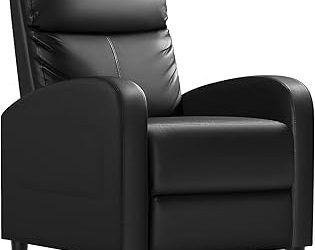
EONIX 3-Motor Power Lift Recliner
The independent backrest and footrest controls make this the strongest choice for anyone using a recliner as a primary sleep surface, since you can fine-tune torso elevation without lifting the legs. The included lumbar pillow and extended footrest handle taller frames well, and the 400 lb capacity is backed by a genuinely substantial lift mechanism.
FUNECORP Big Man Power Lay Flat Lift Recliner
At 28 inches wide with a near-flat recline, this is the roomiest option here and the closest thing to a bed among lift chairs. The dual-motor heat and vibration functions are a real aid for evening muscle tension, though I’d treat them as a wind-down tool rather than something to run while falling asleep.
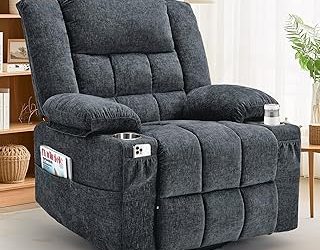
EONIX 400 lb Dual Motor Oversized Power Lift Recliner
The 175-degree recline puts this squarely in sleep-capable territory, and the one-touch reset is more useful than it sounds when you’re groggy at 3 a.m. Heat, massage, and side storage round it out without the price jump of a three-motor build.
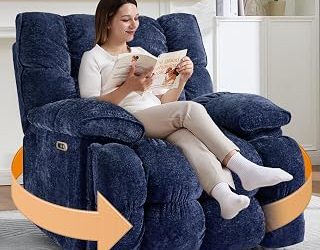
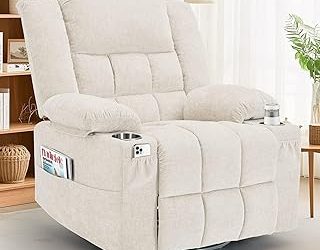
Euthymia Oversized Chenille Recliner
For buyers who don’t need lift assistance, this manual chenille model delivers the extra-wide seat and 400 lb frame at a fraction of the cost of powered alternatives. The breathable upholstery is the standout — it stays notably cooler across a long sitting session than leather-look competitors.
MCombo Power Lift Recliner R7399
A well-judged middle option: 150 degrees of recline, a 26-inch seat, and stand-assist lift that’s smooth enough for users with knee or hip limitations. The 4.7-inch extra footrest and FSC-certified frame reflect a manufacturer paying attention to details others skip.
Frequently Asked Questions
Is sleeping in a recliner every night bad for you?
Not inherently. Sustained upright sleep can reduce reflux and ease some breathing issues, but it raises the risk of leg swelling and blood clots if you never change position. Elevate the footrest, stay hydrated, and get medical input if it becomes a nightly habit.
Do 400 lb capacity ratings account for movement?
Reputable manufacturers test static load, not the dynamic force of dropping into a seat. Build in margin — if you’re near 350 pounds, a 400 lb chair is appropriate rather than generous.
Manual or power for a heavier user?
Power, in most cases. Manual levers require pushing against the backrest with body weight, which strains both the mechanism and your shoulders. Power lift also solves standing up, which is where most injuries actually occur.
How wide a seat do I actually need?
Measure your hips seated, then add three to four inches. Compression at the hips restricts circulation and is a frequent, overlooked cause of restless legs in the evening.
Final Thoughts
If rest quality is the priority, the EONIX 3-Motor Power Lift Recliner earns the top spot for its independent backrest control — the single feature that separates a comfortable chair from a viable sleep surface. The FUNECORP Big Man Lay Flat Lift is the pick for maximum width and near-horizontal recline, while the Euthymia Oversized Chenille Recliner remains the sensible value choice for anyone who doesn’t need powered lift assistance.