Key takeaways
- Weight capacity with margin: Look for a rating at least 50–75 pounds above your actual weight. Capacity figures reflect static load, not the dynamic force of dropping into a seat or shifting position, and lift mechanisms wear fastest when run near their ceiling.
- Seat width and depth together: A 26-inch seat width prevents hip compression, but depth matters just as much — you want two to three fingers of clearance behind your knees so the front edge never presses on the popliteal area and restricts circulation.
- Recline angle and leg elevation: For genuine evening recovery, aim for 140° or more with the footrest rising to roughly heart level. Elevating the legs above the hips assists venous return and reduces the overnight swelling that wakes people at 3 a.m.
- Extended footrest length: Taller users should confirm the footrest adds at least four extra inches. Unsupported ankles force the calves to stay lightly engaged, which quietly prevents full muscular release.
- Breathability over pure softness: Overstuffed padding feels luxurious in a showroom, but trapped heat raises core temperature and works against the natural pre-sleep temperature drop. Anti-skid woven fabrics generally outperform bonded leather here.
What's inside
If you carry more weight or stand over six feet tall, the recliner market can feel quietly hostile. Seat widths hover around 20 inches, weight ratings top out at 250 pounds, and footrests stop somewhere around mid-calf — which means your heels dangle, your knees hyperextend, and the chair you bought to rest in becomes a low-grade source of tension. As someone who spends most of my working life studying sleep architecture and recovery positions, I see the downstream effects constantly: interrupted evening wind-down, restless legs, numb feet, and a habit of migrating to bed already stiff. Fit isn’t a luxury detail. It’s the mechanism by which a chair either helps your nervous system downshift or keeps it mildly braced all night.
This guide focuses on recliners engineered specifically for big and tall bodies — reinforced frames, wider seat decks, extended leg support, and lift motors strong enough to assist a standing transition without strain. I’ve weighted my picks toward the factors that actually influence rest quality: how flat the chair reclines, how well it supports the lumbar curve and the calves simultaneously, and whether the upholstery breathes well enough to avoid the heat build-up that fragments light sleep. Below you’ll find the models worth your attention this year, a short buying framework, and answers to the questions I’m asked most often.
As an Amazon Associate we earn from qualifying purchases.


How to Choose a Recliner For Large People (2026)
- Weight capacity with margin: Look for a rating at least 50–75 pounds above your actual weight. Capacity figures reflect static load, not the dynamic force of dropping into a seat or shifting position, and lift mechanisms wear fastest when run near their ceiling.
- Seat width and depth together: A 26-inch seat width prevents hip compression, but depth matters just as much — you want two to three fingers of clearance behind your knees so the front edge never presses on the popliteal area and restricts circulation.
- Recline angle and leg elevation: For genuine evening recovery, aim for 140° or more with the footrest rising to roughly heart level. Elevating the legs above the hips assists venous return and reduces the overnight swelling that wakes people at 3 a.m.
- Extended footrest length: Taller users should confirm the footrest adds at least four extra inches. Unsupported ankles force the calves to stay lightly engaged, which quietly prevents full muscular release.
- Breathability over pure softness: Overstuffed padding feels luxurious in a showroom, but trapped heat raises core temperature and works against the natural pre-sleep temperature drop. Anti-skid woven fabrics generally outperform bonded leather here.
The Best Recliner For Large People (2026)s Reviewed
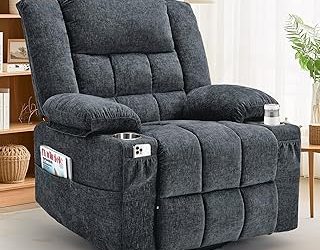
Large Power Lift Recliner with Massage and Heat
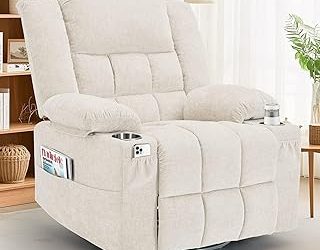
This is the most complete package for anyone using a recliner as a primary rest station rather than an occasional chair — the overstuffed geometry supports broad shoulders and wide hips without pinching, and the lumbar heat function is genuinely useful for loosening the paraspinal muscles before bed. The dual cup holders, side pocket, and USB port also mean you’re not standing up repeatedly once you’ve settled, which protects the continuity of your wind-down routine.
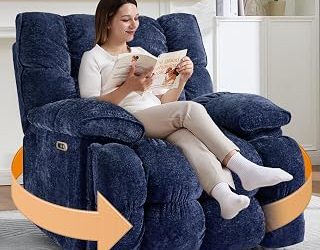
MCombo Oversized Power Lift Recliner R7289
My pick for tall users specifically: the 26-inch seat width and 4.7-inch extended footrest combine to give full leg support up to roughly 6’4″, and the 150° recline gets close enough to horizontal for real restorative napping. Standing assist is smooth and progressive rather than abrupt, which matters for anyone with knee or hip sensitivity.
Faux Leather Manual Recliner Chair
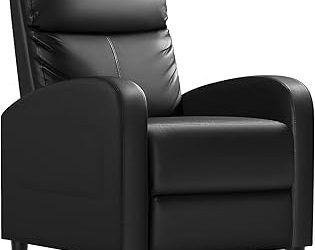
A sensible choice if you want a supportive oversized chair without motors, cords, or an outlet nearby — the padded armrests and firm backrest hold posture well through long evening sessions. Just note that manual mechanisms require core and arm engagement to operate, so it suits users with reasonable mobility rather than those needing lift assistance.
Electric Power Recliner with Hidden Arm Storage
The breathable leather here is the standout feature for heat-sensitive sleepers, running noticeably cooler than standard bonded upholstery during extended use. Hidden arm storage keeps remotes and reading material off the floor, and the home-theater styling makes it the easiest of these picks to integrate into a shared living space.
Large Power Lift Recliner with Anti-Skid Fabric
Built around a heavy-duty motion mechanism, this model prioritizes structural confidence — the reclining action stays stable and rattle-free even under sustained heavy use. The anti-skid fabric grips well enough that you won’t slide forward as the backrest drops, and the concealed cup holders keep the profile clean when not in use.
Frequently Asked Questions
Is it healthy to sleep in a recliner regularly?
Occasional recliner sleep is fine, and for people with acid reflux, sleep apnea, or post-surgical restrictions it can be preferable to lying flat. Long-term nightly use is less ideal because the hips stay flexed for hours, which can shorten the hip flexors and stiffen the lower back. If you’re sleeping in a chair every night, choose one that reclines past 140° and stretch deliberately each morning.
How much weight capacity do I actually need?
Add a comfortable buffer to your body weight rather than matching it exactly. A 350-pound rating is a reasonable floor for most big-and-tall buyers, and models rated 400 pounds or higher will hold their mechanism tolerances longer under daily cycling.
Do heat and massage features improve sleep?
Indirectly, yes. Gentle warmth and vibration promote muscular relaxation and can help shift the autonomic nervous system toward a parasympathetic state. Use them for 15–20 minutes before bed rather than falling asleep with them running — sustained heat late in the evening can interfere with the core temperature drop that triggers sleep onset.
Are lift recliners only for elderly users?
Not at all. Anyone with knee arthritis, a recent hip replacement, chronic back pain, or simply a heavier frame benefits from a powered standing transition, because it removes the loaded twist that stresses joints when rising from a deep seat.
Final Thoughts
For most buyers, the Large Power Lift Recliner with Massage and Heat delivers the best overall balance of width, support, and recovery features, while the MCombo R7289 is the smarter buy if height and full leg extension are your primary concerns. If you tend to overheat at night, the Electric Power Recliner with breathable leather is the one I’d steer you toward — a cooler chair is a chair you’ll actually rest in.