Key takeaways
- Measure your mattress height first: Stand a tape measure against the side of the bed, from the foundation to the top seam, and include any existing topper. Pads advertising 8–21 inches of stretch suit pillow-top beds; a 16-inch cap works for standard profiles. A pad that must strain to reach will pop a corner nightly.
- Distinguish a pad from a protector: Quilted pads add loft and breathability but pass liquid through. Waterproof protectors block spills via a thin membrane and add almost no cushion. If you want both functions, layer them — protector against the mattress, pad above it.
- Read the surface fiber, not the marketing word: “Cooling” is a claim; fiber is a fact. Cotton percale and rayon derived from bamboo move moisture off skin quickly, which is what actually makes a bed feel cool. Brushed polyester feels soft in the store and traps humidity by 3 a.m.
- Look for tight, generous quilting: Fill migration is the single most common failure mode. Box or diamond stitching spaced a few inches apart keeps polyester clusters anchored through repeated wash cycles; loose channel quilting lets them drift toward the foot of the bed.
- Confirm home-laundry compatibility: A king pad is bulky. Verify it fits your machine and tolerates warm water, and prioritize designs rated for tumble drying on low. A pad you dread washing stops getting washed.
A king mattress is a generous canvas — 76 inches of width means two people rarely have to negotiate elbow room. It also means that when the surface is wrong, it’s wrong on a grand scale. Most sleepers don’t discover this until month eighteen, when the plushness they paid for has flattened into a shallow trough on each side, and the mattress that once cradled now merely tolerates. Replacing an eighty-inch bed is a four-figure decision. Correcting its surface is not.
That correction is the job of a mattress pad: a quilted, fitted layer that adds a modest cushion, buffers the sleep surface against body oils and spills, and — in the better designs — actively manages the heat that builds up between two adults sharing one thermal envelope. This guide covers what genuinely matters when shopping a king pad in 2026, from deep-pocket math to fill weight and fiber behavior, followed by focused assessments of the models worth your attention.
Our top picks



As an Amazon Associate we earn from qualifying purchases at no extra cost to you. Ratings are shown as listed on Amazon.
🛒 Best Price Today on Amazon
Prime members get fast, free shipping on everything above, plus member-only deals. New members get a 30-day free trial — cancel anytime.
How to Choose a King Mattress Pad (2026)
- Measure your mattress height first: Stand a tape measure against the side of the bed, from the foundation to the top seam, and include any existing topper. Pads advertising 8–21 inches of stretch suit pillow-top beds; a 16-inch cap works for standard profiles. A pad that must strain to reach will pop a corner nightly.
- Distinguish a pad from a protector: Quilted pads add loft and breathability but pass liquid through. Waterproof protectors block spills via a thin membrane and add almost no cushion. If you want both functions, layer them — protector against the mattress, pad above it.
- Read the surface fiber, not the marketing word: “Cooling” is a claim; fiber is a fact. Cotton percale and rayon derived from bamboo move moisture off skin quickly, which is what actually makes a bed feel cool. Brushed polyester feels soft in the store and traps humidity by 3 a.m.
- Look for tight, generous quilting: Fill migration is the single most common failure mode. Box or diamond stitching spaced a few inches apart keeps polyester clusters anchored through repeated wash cycles; loose channel quilting lets them drift toward the foot of the bed.
- Confirm home-laundry compatibility: A king pad is bulky. Verify it fits your machine and tolerates warm water, and prioritize designs rated for tumble drying on low. A pad you dread washing stops getting washed.
The Best King Mattress Pads (2026), Reviewed
Niagara Sleep Solution Ultra Soft & Cooling Topper
The rayon-from-bamboo face is the differentiator here — it has a cool, slightly slick hand that wicks perspiration rather than holding it, which is precisely what couples running warm under a shared duvet need. With a 20-inch pocket and enough pillow-top loft to soften a firm bed’s pressure points, it’s the most complete answer for hot sleepers with back complaints.
EASELAND King Cotton Pillow Top Pad
EASELAND’s cotton top and dense box quilting make this the workhorse of the group: substantial fill, honest breathability, and a 78×80 cut with 8–21 inches of skirt stretch that swallows even tall hybrid mattresses. It launders well and returns from the dryer with its loft intact, which is a meaningful test many pads fail.
Utopia Bedding Quilted Fitted Pad
A restrained, sensible pad built for turnover — the kind hotels buy by the pallet. The 16-inch pocket and noiseless construction mean no crinkle when you shift, and while the cushioning is light rather than plush, it’s the value pick for guest rooms and rentals where you need several beds protected at once.
MATBEBY King Cooling Mattress Pad
MATBEBY splits the difference between plush and breathable: enough quilted loft to register as an upgrade, but with an open construction that doesn’t bank heat. The 8–21 inch pocket range and machine-washable build make it a low-risk choice if you’re unsure of your exact mattress height.
BEDLORE Waterproof Mattress Protector
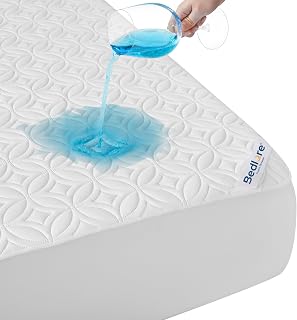
This is the defensive layer, not the comfort layer. The membrane is genuinely quiet and supple — no plastic rustle — and the 6–18 inch pockets grip well, making it the right foundation for children’s rooms, pet owners, and anyone protecting a new mattress warranty.
Frequently Asked Questions
Will a mattress pad fix a sagging king mattress?
No. A pad adds roughly an inch of surface comfort; it cannot restore lost support. If you can see a visible depression or feel your hips dropping, the core has broken down and needs replacement. Pads correct feel, not structure.
How often should I wash a king pad?
Every one to two months under normal use, and immediately after illness. Wash warm, skip fabric softener — it coats fibers and blunts wicking — and dry on low with a couple of clean tennis balls to redistribute the fill.
Can I use a pad over a memory foam topper?
Yes, and a thin quilted pad is often the ideal companion, since it keeps oils off the foam. Just confirm your combined stack height stays within the pad’s pocket range, and choose a breathable cotton or bamboo-rayon face, as foam already restricts airflow.
Do cooling pads actually lower temperature?
They don’t refrigerate the bed. What they do is accelerate moisture transfer away from skin, and since evaporative cooling is how the body sheds heat overnight, a well-chosen fiber can meaningfully reduce that clammy 3 a.m. wake-up.
Final Thoughts
For most king sleepers — especially couples who run warm — the Niagara Sleep Solution bamboo-rayon topper delivers the best combination of loft, airflow, and deep-pocket fit, with the EASELAND cotton pillow top a close and slightly more traditional alternative for anyone who prefers a natural-fiber surface. If your priority is guarding a new mattress rather than softening it, start with the BEDLORE waterproof protector and layer a quilted pad above it.