Key takeaways
- Measure your mattress before anything else: Stand a tape measure against the side of the bed, including any built-in euro top. Pads advertising an 8–21 inch range or a 20-inch deep pocket suit today’s thick hybrids; a 16-inch skirt is fine for a standard innerspring but will pop corners on anything taller.
- Match the fiber to your thermal profile: Rayon derived from bamboo moves moisture off the skin quickly and feels cool to first touch. Cotton tops breathe steadily and tolerate humidity well. Dense polyester shells are the usual culprit behind night sweats, regardless of what the listing promises.
- Separate loft from protection: A quilted pillow-top adds a soft interface layer and can take the edge off a firm mattress, but it won’t rescue a sagging one. If liquid defense is the priority, a dedicated waterproof protector does that job better than fill ever will.
- Check for anchoring and silence: Deep elastic skirts should be sewn all the way around, not just at the corners. Any membrane layer should be tested for crinkle — audible rustling at every position change fragments sleep even when you don’t fully wake.
- Plan for laundering: A king pad is bulky and wet fill is heavy. Look for machine-washable construction with tight box quilting, which keeps the batting from migrating into lumps after repeated tumbles.
A king mattress is 6,240 square inches of sleep surface, and that scale is exactly what makes it hard to shop for. Fabric that feels breathable on a twin can trap a surprising amount of body heat when two adults share it, and skirt elastic that grips a 10-inch mattress may barely reach the corners of a modern hybrid stacked with a pillow top. Add the fact that “pad,” “topper,” and “protector” get used interchangeably across listings, and it’s easy to spend money on a product that solves a problem you didn’t have while ignoring the one keeping you awake.
This guide approaches the category the way a sleep clinician would: temperature regulation first, because core body temperature has to drop for sleep to consolidate; then pressure distribution, fit security, and how the thing behaves after a dozen wash cycles. Below are the king-size pads worth your attention in 2026, plus the criteria that separate a genuine upgrade from an expensive fitted sheet.
Our top picks


As an Amazon Associate we earn from qualifying purchases at no extra cost to you. Ratings are shown as listed on Amazon.
🛒 Best Price Today on Amazon
Prime members get fast, free shipping on everything above, plus member-only deals. New members get a 30-day free trial — cancel anytime.
How to Choose a King Size Mattress Pad (2026)
- Measure your mattress before anything else: Stand a tape measure against the side of the bed, including any built-in euro top. Pads advertising an 8–21 inch range or a 20-inch deep pocket suit today’s thick hybrids; a 16-inch skirt is fine for a standard innerspring but will pop corners on anything taller.
- Match the fiber to your thermal profile: Rayon derived from bamboo moves moisture off the skin quickly and feels cool to first touch. Cotton tops breathe steadily and tolerate humidity well. Dense polyester shells are the usual culprit behind night sweats, regardless of what the listing promises.
- Separate loft from protection: A quilted pillow-top adds a soft interface layer and can take the edge off a firm mattress, but it won’t rescue a sagging one. If liquid defense is the priority, a dedicated waterproof protector does that job better than fill ever will.
- Check for anchoring and silence: Deep elastic skirts should be sewn all the way around, not just at the corners. Any membrane layer should be tested for crinkle — audible rustling at every position change fragments sleep even when you don’t fully wake.
- Plan for laundering: A king pad is bulky and wet fill is heavy. Look for machine-washable construction with tight box quilting, which keeps the batting from migrating into lumps after repeated tumbles.
The Best King Size Mattress Pads (2026) Reviewed
Niagara Sleep Solution Ultra Soft & Cooling Bamboo Pad
The rayon-from-bamboo surface is the standout here — it wicks moisture faster than cotton and stays neutral against the skin, which makes it my first recommendation for hot sleepers and anyone dealing with night sweats. The 20-inch pocket handles tall hybrids, and the pillow-top fill gives just enough give to ease hip and lower-back pressure.
EASELAND Cotton Pillow Top Mattress Pad
A genuinely plush option with a cotton top sheet and generous box quilting that holds its loft through repeated washing. The 8–21 inch skirt range is among the most forgiving on the market, so it’s a safe pick if your mattress depth sits at the extremes.
Utopia Bedding Quilted Fitted Mattress Pad
The pragmatic choice: noiseless, lightweight, and easy to launder weekly, with a skirt that stretches to 16 inches. It adds modest cushioning rather than dramatic softness, which is exactly right if you like your mattress and simply want to keep it clean.
MATBEBY Cooling Quilted Mattress Pad
A well-balanced middle option — breathable enough for warm rooms, quilted densely enough that the fill stays put, and fitted with the same accommodating 8–21 inch pocket. Good value for guest rooms where you need reliable performance without fuss.
Niagara Sleep Solution 100% Cotton Top Cooling Pad
For sleepers who want the airflow benefits without a synthetic hand-feel, this cotton-topped version delivers a soft, slightly crisp surface that improves with washing. The cloud-like fill and deep 20-inch pocket make it a strong companion to firmer mattresses.
Frequently Asked Questions
What’s the difference between a pad, a topper, and a protector?
A protector is a thin barrier against liquids, dust, and allergens. A pad is a quilted fitted layer that adds light cushioning plus some protection. A topper is a thick slab of foam, latex, or down that meaningfully changes firmness. Pads occupy the useful middle ground.
Can a mattress pad help with back pain?
Indirectly, yes. A pillow-top pad softens the immediate contact layer so shoulders and hips settle without pressure peaks, which reduces the micro-arousals that leave you stiff by morning. It cannot correct spinal alignment on a mattress that has already lost support.
Do I need a waterproof pad?
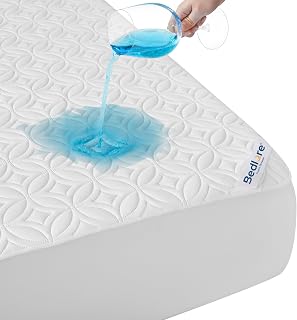
Only if you’re managing incontinence, young children, pets, or a partner who reads with coffee in bed. In those cases choose a purpose-built option like the BEDLORE waterproof protector rather than expecting a quilted cooling pad to double as a moisture barrier.
How often should I wash it?
Every four to eight weeks for most people, and monthly if you sweat heavily or have dust-mite sensitivity. Wash warm, tumble on low, and remove it while slightly damp to prevent the fill from clumping.
Final Thoughts
If overheating is what wakes you, the Niagara bamboo-rayon pad is the most effective thermal upgrade in this lineup, with the Niagara cotton-top version close behind for anyone who prefers natural fibers. Choose the EASELAND cotton pillow top when you want real cushioning on a firm mattress, and keep the Utopia Bedding pad in mind for guest rooms where simplicity and easy washing matter most.