Our Top Picks
 DampRid Hi-Capacity Fragrance Free Absorber Bucket47.5 Ounce (Pack of 2)17.69 x 9 x 6.89 Inches2 poundsCheck on Amazon
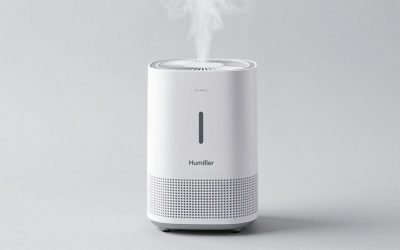
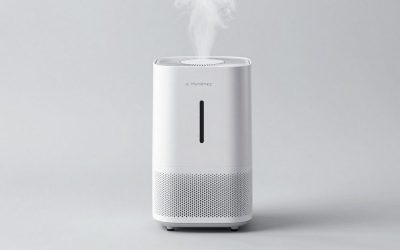
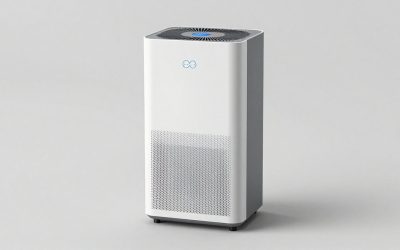
 KNKA Energy Star 5500 Sq.Ft Dehumidifier for BasementMAX 80 Pints11.14 x 14.17 x 20.87 inches5.5 poundsCheck on Amazon
 DampRid Fragrance Free Disposable Moisture Absorber & Odor18 Ounce (Pack of 3)12.71 x 7 x 6.61 Inches3.37 poundsCheck on Amazon
Call the storage office before you buy anything with a plug. That single phone call decides whether the best dehumidifier for your storage unit is a bucket of moisture-absorbing crystals, a set of rechargeable silica packs, or a powered unit such as the KNKA 80-pint model on this list. Many facilities do not allow tenants to run appliances, some units have no outlet, and even where power exists, rules about extension cords and unattended equipment can rule a compressor-style unit out.
For most renters the practical answer is a no-electricity option, and the best starting pick on paper is the DampRid Hi-Capacity Fragrance Free bucket 2-pack, because its title lists a detection strip that tells you when a container needs replacing. Below you will find all eight options, a worked dry-down plan for a 10×10 unit, a table of what to store and what to avoid, and a visit checklist. The aim is a plan you can follow on a Saturday morning with a hand truck and a roll of tape.
Start with the front office: five questions to ask

Camco Moisture Absorber Bucket - Features Fast-Acting Moisture-Absorbing Agent - No-Fragrance Beads – Use with RV Storage, Camper Organization & More (44282)


As an Amazon Associate we earn from qualifying purchases. Product prices and availability are accurate as of the date/time indicated.
DampRid Hi-Capacity Fragrance Free Absorber Bucket, 2 lb. 15.5 oz. with Detection Strip, 2 Pack


As an Amazon Associate we earn from qualifying purchases. Product prices and availability are accurate as of the date/time indicated.

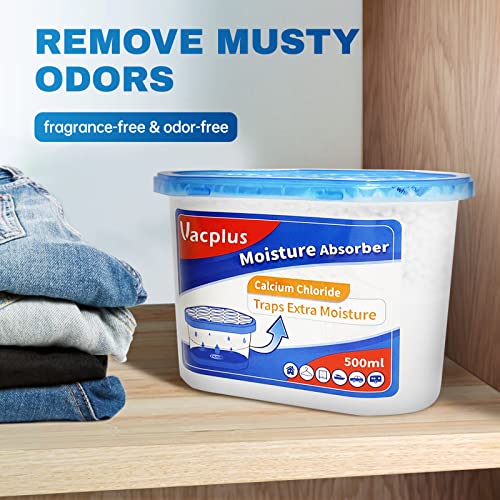
Vacplus Moisture Absorber, 10.5 OZ, Strong Absorption, Fragrance Free | Closet, Bathroom, Car, Odor Eliminator, Dehumidifier Bucket, 6 Pack




As an Amazon Associate we earn from qualifying purchases. Product prices and availability are accurate as of the date/time indicated.
KNKA Energy Star 5500 Sq.Ft Dehumidifier for Basement, Max 80 Pint/Day | Dehumidifier with Drain Hose, Dehumidifiers for Home, Bedroom, Bathroom, Large Room, Smart Humidity Control, Sleep Mode


As an Amazon Associate we earn from qualifying purchases. Product prices and availability are accurate as of the date/time indicated.
DampRid Fragrance Free Disposable Moisture Absorber & Odor Remover with Activated Charcoal, 18 oz., 3 Pack, Lasts Up To 60 Days, No Electricity Required


As an Amazon Associate we earn from qualifying purchases. Product prices and availability are accurate as of the date/time indicated.

Vacplus Moisture Absorber, 2 LB, Strong Absorption, Fragrance Free, 4 Pack | Closet, Bathroom, Basement, RV, Storage Areas, Odor Eliminator, Dehumidifier Bucket


As an Amazon Associate we earn from qualifying purchases. Product prices and availability are accurate as of the date/time indicated.

FURWEY 6 Pack Rechargeable Desiccant Packs for Storage, 100g Each, Blue | Color Indicating Silica Gel Desiccant Packets, Moisture absorbers for Storage,Dehumidifier bag for Closets,Cars,Storage Bins


As an Amazon Associate we earn from qualifying purchases. Product prices and availability are accurate as of the date/time indicated.

Ksend Moisture Absorber, 12 Pack Bucket, Fragrance Free | Closet, Compact Dehumidifier Box, Odor Eliminator, Humidity Absorber, Blue, 6.4 OZ, 300 ml


As an Amazon Associate we earn from qualifying purchases. Product prices and availability are accurate as of the date/time indicated.
Facility rules differ from one operator to the next, and the written lease or rental agreement is the document that counts. Phone or email the office and ask five things, then keep the reply. First: are tenants allowed to plug anything into an outlet in or near the unit, and does the unit even have an outlet? Second: if power is allowed, are there restrictions on appliance type, wattage or extension cords? Third: must a tenant be present while a device runs? Fourth: are there any rules about moisture absorbers, liquids or fragrances in shared buildings? Fifth: does the facility offer climate-controlled units, and how does the price compare?
These questions matter because the options on this page split cleanly along them. Desiccant buckets, tubs and silica packs need no electricity, so they usually raise no policy issue, though a facility may still have opinions about liquids. A powered dehumidifier needs the operator’s approval, an outlet that you are allowed to use, and a plan for where the water goes. Never leave a powered unit running unattended against facility rules, and never run cords through a door gap or across walkways in a way that could trip someone or damage the cord.
Also ask about the building type. A drive-up unit with a roll-up door breathes more than an interior corridor unit, and a ground-floor concrete slab can wick moisture upward in a way an upper floor will not. If you cannot get power and the humidity in your area is high, upgrading to a climate-controlled unit may be a better investment than any gadget. That is especially true for items we flag below as sensitive.
Eight options at a glance
Everything in the table comes from the listing titles. “Total product weight” is simple arithmetic from the sizes and pack counts in each title, and it is not a measure of how much water each product can hold. Absorption capacity is not given in the titles, so check each listing. Price tier labels are relative to this set of eight.
| Model | Key spec (from title) | Price tier | Best for |
|---|---|---|---|
| Camco Moisture Absorber Bucket (44282) | Fast-acting agent, no-fragrance beads, aimed at RV storage and campers | Budget | Small units, trailers and RVs |
| DampRid Hi-Capacity Fragrance Free Absorber Bucket, 2 Pack | 2 lb 15.5 oz each, detection strip, fragrance free | Budget | General 10×10 units; easy to tell when it is spent |
| Vacplus Moisture Absorber, 10.5 OZ, 6 Pack | Fragrance free, six small buckets | Budget | Spreading containers around a unit |
| KNKA Energy Star 80-Pint Dehumidifier | Up to 5,500 sq ft, max 80 pints per day, drain hose, smart humidity control, sleep mode | Mid-range | Large units with approved power and a drain |
| DampRid Disposable Absorber with Activated Charcoal, 18 oz, 3 Pack | Charcoal, up to 60 days, no electricity | Budget | Odor plus moisture in stored fabrics |
| Vacplus Moisture Absorber, 2 LB, 4 Pack | Four 2 lb containers, fragrance free | Budget | Larger units and basements-style storage rooms |
| FURWEY 6 Pack Rechargeable Desiccant Packs | 100 g each, color-indicating silica gel, rechargeable | Budget | Bins, boxes, gun safes and tight spaces |
| Ksend Moisture Absorber, 12 Pack | 6.4 oz (300 ml) each, 12 compact boxes | Budget | Closets inside the unit, wardrobes and totes |
Only one of the eight is powered. If you came here expecting eight plug-in dehumidifiers, note that the storage unit use case really does lean toward the no-electricity end of the market.
The eight options, one at a time
DampRid Hi-Capacity Fragrance Free Absorber Bucket, 2 Pack: the one with a built-in tell
The title gives three useful facts: each container is 2 lb 15.5 oz, the pack contains two, and each comes with a detection strip. Together that is about 95 oz of product by the title’s numbers (47.5 oz times two), more than the 6-pack of small Vacplus containers. The detection strip is the point: it takes some of the guesswork out of deciding when a container needs to be replaced, which is useful when you only visit the unit every few weeks.
Estimate, not a measurement: for a 10×10 unit, a two-pack covers a start-up plan of one container near the door and one at the back, and then you adjust. In a humid area you will likely want more. Do not treat the weight as a promise of capacity, because the listing is the place to find stated absorption.
The title also says fragrance free, which matters in a closed unit full of fabric or paper where a perfume odor can cling. Many bucket-style absorbers collect the moisture as a liquid in a lower chamber, so keep them level, on a shelf or tray, and away from the edge of a stack. Check the listing for the exact absorbing agent and disposal guidance.
A practical note on placement: if the unit has a concrete floor, a shelf or the top of a sturdy plastic tote keeps the container a little off the slab, where cold, damp air tends to sit. Put it where you can reach it without moving a stack, because a container you cannot see is a container you will forget to check.
Pros
- Large containers with a detection strip per the title
- Fragrance free
- No electricity, so it avoids the power-access question
Cons
- Liquid collects inside the bucket and can leak if tipped
- Only two containers; a bigger unit will need more
- Replacement means buying another pack, an ongoing cost
Who it’s for: renters of a standard 10×10 unit who want a clear signal for when to swap.
Vacplus Moisture Absorber, 2 LB, 4 Pack: the heavy-duty set for bigger spaces
Four 2 lb containers add up to 8 lb of product, or 128 oz by the title’s own numbers, which is the largest total weight among the bucket-style listings here. The title mentions closets, bathrooms, basements, RVs and storage areas, and calls it fragrance free. That makes it a reasonable fit for a larger unit or for a unit that has a history of damp smells.
Estimate, not a measurement: with four containers you can place one at each corner of a 10×10 unit, which is a simple layout to remember and to check. If your unit is 10×20, you may want to combine two sets. The weight tells you the size of the container, not the guaranteed water capacity, so read the listing for the maker’s stated figures.
Placement advice is the same as for any bucket: set them on a flat, stable surface, above floor level if you can, because the floor of a drive-up unit can see water when it rains and door seals are not tight. Avoid placing them where a stack of boxes might slide. If a container tips, liquid can damage cardboard and fabric quickly, so tape the lids or stand each container in a shallow tray as a precaution.
If you have heard stories of a bucket spilling in a trunk or a trailer, the same logic applies here: containers meant for stationary use are fine in a stationary unit, but treat them as something to check and not as a set-and-forget item.
Pros
- Four large containers in one pack
- Fragrance free per the title
- Highest total product weight among the bucket sets
Cons
- Each bucket needs a stable, level spot
- Price sits at the upper end of the budget group
- Four containers take up shelf space in a packed unit
Who it’s for: people with a larger or damp-prone unit who prefer fewer, bigger containers.
Vacplus Moisture Absorber, 10.5 OZ, 6 Pack: small containers for distributed placement
Six containers of 10.5 oz each total 63 oz by the title’s numbers. The title mentions closet, bathroom, car and odor use, so these are small and meant to be scattered. In a storage unit that is a real advantage, because humidity pools differently around wardrobes, boxes and furniture, and a container inside a wardrobe will work on that pocket of air better than one on the floor by the door.
Estimate, not a measurement: a plan with six small containers could put two inside wardrobes or dressers, two on shelves near the back wall, one near the door and one near the center. That spreads capacity around instead of concentrating it in one corner. In a damp season you may use all six and then replace them on the first visit.
The trade-off is that you will go through them faster. Because each container is small, it will fill sooner than a 2 lb tub in the same conditions, and you have more containers to check on each visit. The title says strong absorption, which is the seller’s wording, so check the listing for how much capacity each one claims.
For families storing a few boxes of clothes, a couple of these tucked into totes can be enough on their own, without a bigger bucket in the open space.
These also suit a short-term plan. If you are storing for a school break or a home move that will last a couple of months, six small containers placed on the first day and replaced on the first return visit can be more sensible than buying large tubs you may not finish using.
Pros
- Six containers for flexible placement
- Fragrance free
- Small enough to fit inside wardrobes and dressers
Cons
- Small containers fill and need replacing more often
- More items to check on each visit
- Less total product than the 2 lb sets
Who it’s for: renters with wardrobes, dressers or many separate boxes in the unit.
DampRid Fragrance Free Disposable Absorber with Activated Charcoal, 18 oz, 3 Pack: moisture plus odor
The title calls this a disposable moisture absorber and odor remover with activated charcoal, 18 oz each, three in a pack, with a stated life of up to 60 days and no electricity required. The charcoal part is the distinguishing feature: if your unit smells musty because of old fabric, books or a previous tenant, this listing addresses odor as well as humidity.
Estimate, not a measurement: three 18 oz containers is 54 oz of product by the title. At up to 60 days, that is a three-month plan if you stagger them, replacing one every few weeks, or a single-round plan if you use all three at once and replace together after two months. The “up to” wording means actual life depends on conditions, so a damp summer will shorten it.
Because it combines moisture absorption with charcoal, this is a practical fit for the unit where you keep a sofa, mattress or boxes of clothes. Fragrance free in the title means you do not add a scent on top of the musty one. For documents or photos in a tight space, you may prefer a sealed bin with silica packs instead, since charcoal and bucket absorbers are intended for open air.
Check the listing for the specific absorbing agent and any handling note, particularly if you have pets. Keep containers out of reach.
One caution: charcoal-based absorbers are not a substitute for fixing the source of a smell. If the odor is from mold already growing on an item, clean or discard the item. Moisture control only slows new growth in a dry, clean setting.
Pros
- Charcoal for odor control, per the title
- Three containers with a stated life of up to 60 days
- Fragrance free and no electricity
Cons
- “Up to 60 days” is a ceiling, not a guarantee
- Disposable, so the cost repeats
- Smaller containers than the 2 lb options
Who it’s for: anyone storing furniture, bedding or clothes who is also fighting a musty smell.
Camco Moisture Absorber Bucket (44282): the RV-oriented bucket
The Camco title describes a bucket with a fast-acting moisture-absorbing agent and no-fragrance beads, aimed at RV storage and camper organization. Quantity and size are not stated in the title, so the listing is where to confirm how many containers you get and how large each one is. That uncertainty is the main reason this sits behind the DampRid and Vacplus sets in a ranking.
Estimate, not a measurement: because the title mentions RV storage and camper use, the product appears to be designed for small enclosed spaces, which suggests it fits a 5×5 or 5×10 unit, a boat or trailer parked inside a larger unit, or a cabinet. For a 10×10 or larger, you would need several.
The phrase “no-fragrance beads” is useful for the same reason as the other fragrance-free listings: in an enclosed unit you do not want a perfume smell mingling with stored fabrics. Check the listing for the exact formulation, the size of the container, and what happens at the end of its life, such as how to dispose of the liquid.
This is also a fine pick for anyone who will store a motorcycle, bike or small trailer and wants to put one container near the vehicle. If you are covering a bike, our guide to motorcycle covers for outdoor storage explains why a breathable cover matters more than a tight plastic wrap, since trapped moisture is the main cause of rust under a cover.
Pros
- No-fragrance beads, per the title
- Designed with RV and camper storage in mind
- Lowest price among the buckets
Cons
- Size and count not stated in the title
- Likely too small a total for a full 10×10 unit
- Replacement and disposal details need checking on the listing
Who it’s for: owners of a small unit, RV or trailer who need a single low-cost container.
Ksend Moisture Absorber, 12 Pack: many compact boxes for totes and closets
Twelve compact boxes, each 6.4 oz or 300 ml according to the title, add up to about 76.8 oz of product by weight. The title mentions closet use, a compact dehumidifier box, odor elimination and fragrance free. The pack size is the story: with twelve units you can place one in each of a dozen spots.
Estimate, not a measurement: a dozen small boxes can cover individual plastic totes, a wardrobe, two dressers, a shelf near the door and the far corner, all at once. If a tote lid is not airtight, a box inside still helps manage the pocket of air around the contents. Expect to replace them more often than the larger tubs, and expect the total price per ounce to depend on your local conditions.
The design suits people who store a lot of small, humidity-sensitive items, such as photographs, linens, shoes and seasonal clothing. It is less useful for an empty unit with only a few large pieces of furniture, where a single large container will do more.
A tip for the checklist: label the lid with the date you placed each box. With twelve in play, it is easy to lose track of which ones are new. Check the listing for details on the absorbing agent and how to dispose of the collected liquid.
Because the title gives a volume of 300 ml per box, you can compare the capacity of different brands only by reading each listing’s stated absorption figure. Do not assume that twelve small boxes absorb the same as four large tubs. The weight in the title is only a clue about container size, and the real figure sits on the product page.
Pros
- Twelve boxes, great for distributed placement
- Compact enough to tuck inside totes and wardrobes
- Fragrance free per the title
Cons
- Small containers fill sooner
- Twelve items to track and replace
- Less practical for open, large volumes of air
Who it’s for: renters with many small boxes, totes or clothing racks.
FURWEY 6 Pack Rechargeable Desiccant Packs: reusable silica for bins and cabinets
Six packs, 100 g each, filled with color-indicating silica gel and described as rechargeable. That makes them the odd one out: no liquid, no tipping, and a reusable cycle, assuming you follow the manufacturer’s recharging steps. The title mentions storage, closets, cars and storage bins.
Estimate, not a measurement: 6 packs at 100 g each is 600 g of silica gel, a smaller quantity than the bucket sets but in a form that fits a sealed container. Silica works best in small, closed volumes, such as a plastic bin with a good lid, a file box or a gun safe, instead of an open 10×10 room. In a tight bin, one or two packs can do real work; in an open unit, they will be overwhelmed.
The color indicator is a handy feature, since you can see at a glance when a pack is saturated. Recharging uses heat, so follow the instructions on the listing or packaging for method and temperature, and do not improvise. Keep silica away from children and pets, and do not open packs.
For paper records and photos, a sealed bin with packs is usually more sensible than open-air buckets. If you are thinking about digitizing the records altogether, our piece on cloud storage alternatives may help you decide which papers really need to stay in the unit.
Reusability is the economic argument. If you will store for a year or more, recharging the packs a few times can cost less than buying a fresh set of disposable absorbers every two months, as long as you are willing to do the recharging routine and keep a spare set on hand while one is drying out.
Pros
- No liquid and no electricity
- Color indicator and rechargeable per the title
- Good for sealed bins and cabinets
Cons
- Limited capacity for open, large spaces
- Recharging takes effort and attention
- Six small packs go quickly in a humid unit
Who it’s for: people storing documents, photos, electronics or collectibles in sealed containers.
KNKA Energy Star 80-Pint Dehumidifier: the only powered option, and the most conditional
The KNKA title describes an Energy Star dehumidifier for basements covering up to 5,500 sq ft, with max 80 pints per day, a drain hose, smart humidity control and sleep mode. It is positioned for bedrooms, bathrooms and large rooms as well as basements. Whether it is the best dehumidifier for a storage unit depends on whether your facility allows you to plug it in at all.
Estimate, not a measurement: a 10×10 unit is 100 sq ft, so a unit rated for up to 5,500 sq ft is wildly oversized for it. That is not a problem in itself, because a built-in humidistat should cycle the unit off once the target is reached, but it does mean you are paying for capacity you cannot use. Assume a 450 W average while running, 6 hours of running a day, and 17 cents per kWh: that is 2.7 kWh a day, about 46 cents a day or roughly $14 a month. The real draw is on the nameplate; the title does not give it.
The drain hose is a mixed blessing. A storage unit usually has no floor drain, so the hose has nowhere to go, and the collection bucket will fill and stop the unit. The title does not tell you the bucket size. Never leave a powered unit running unattended against facility rules, and ask about cords, outlets and supervision before you plug anything in. Also ask whether the operator limits the circuit’s load.
Pros
- Powered, with humidity control and a drain hose per the title
- Far more capacity than a 100 sq ft unit needs, so it cycles off
- Energy Star mentioned in the title
Cons
- Requires approved, safe power access
- Drain hose is useless without a drain; the bucket will fill
- Oversized and more expensive than any desiccant option
Who it’s for: tenants of large or climate-sensitive units where the operator explicitly allows a supervised powered dehumidifier.
How we picked these
This page was prepared by the Editorial team using published specifications, manufacturer documentation and buyer reviews. Nobody on the team used or measured these units. Every figure labeled as an estimate is arithmetic from the title of a listing, such as total ounces in a multi-pack or a running-cost illustration, and none of it is a result from a bench or a unit in a real storage building.
We kept all eight products supplied for this article. The approach was to sort by how well a title fits a storage unit scenario: no electricity needed, clear sizing, a way to tell when the product is spent, and a form that avoids spills. That is why the bucket sets and silica packs rank higher than the powered unit, which carries a facility-permission dependency we cannot resolve for you. Where a title does not say what you need to know, such as the capacity of a bucket or the wattage of the dehumidifier, we say to check the listing.
The ranking order reflects fit to the scenario more than any quality judgment about a brand. A product that sits lower in the list is not worse in general; it simply matches a storage unit less closely, or it leaves more questions open in the title. We also did not make claims about how long any maker has been in business, how a product has held up for other buyers, or what warranty applies, since none of that is in the titles.
We also steer clear of quoting prices, because prices move, and the relative price tiers in the table are only a guide to where each product sits in this particular set of eight.
A worked dry-down plan for a 10×10 unit
Take a 10×10 unit with an 8-foot ceiling. The volume is 800 cubic feet, and the floor area is 100 sq ft. Assume the unit has no power, a roll-up door and a concrete slab floor, in a region where summer humidity regularly exceeds 70 percent. These are the assumptions behind the plan, so adjust if yours differ.
Step 1: reduce what moisture can get in. Lift boxes off the floor on pallets or plastic shelving, leave a few inches between stacks and the walls, and avoid wrapping furniture in tight plastic, which traps moisture against surfaces. Use breathable covers or cotton sheets for upholstered pieces.
Step 2: add containers in a pattern. A simple layout is one large container in each corner and one near the door. With a four-pack of 2 lb containers you cover the corners, and a fifth container or a few small ones handle the door and the inside of wardrobes. For sealed bins, drop in one or two silica packs.
Step 3: set a check schedule. Visit after two weeks, then after four. Note how full each container is, or whether the detection strip or color indicator has changed. Replace those that look spent. If every container is full at two weeks, either the unit is leaking or the area is very humid, and you should add more containers or consider a different unit.
Step 4: look for the source. If moisture is persistent, check the door seal, the base of the walls and the roof for leaks. Ask the office to inspect. No desiccant fixes an actively leaking roof.
The spreadsheet version is simple: number of containers equals corners plus door plus one for each wardrobe or sealed bin. Start there and adjust after the first visit.
If you are tempted to put an extra mattress or bed frame in the unit, consider whether you can avoid it. A storage-friendly frame such as the layouts in our guide to a bed frame with storage on one side can keep seasonal bedding at home, where humidity is easier to control.
What belongs in a unit and what does not
Some belongings tolerate humidity swings; others do not. The table below groups common storage items by risk. It is general guidance, not a promise about any particular product or facility.
| Item | Humidity risk | What to do |
|---|---|---|
| Mattresses and upholstered furniture | High: mold and odor | Use breathable covers, raise off the floor, add moisture control, check often |
| Leather goods and shoes | High: mildew and cracking | Clean and dry first; keep with small containers in a ventilated tote |
| Paper records, books, photos | High: stuck pages, mold | Sealed bin with silica packs, or digitize |
| Electronics and appliances | Medium to high: corrosion | Original packaging with silica packs; avoid contact with liquid absorbers |
| Musical instruments | High: warping and cracking | Consider climate-controlled storage |
| Wood furniture and antiques | High: swelling and splitting | Avoid big humidity swings; consider climate control |
| Metal tools and bikes | Medium: rust | Light coat of protective oil, breathable cover, container nearby |
| Plastic totes with clothes | Low to medium | Clean and dry clothes first; add a small container or silica pack |
Clean and dry everything before it goes into the unit. Damp fabrics, a wet patio set or a bike with mud on the frame will release moisture for days, which can overwhelm any desiccant. Do not store flammable liquids, propane tanks or perishable food. Facility rules often prohibit them anyway.
If your unit holds outdoor items such as patio cushions or tools, think about whether a deck box at home might be a better home for them. Our overview of outdoor storage deck boxes covers weather-resistant options that may keep seasonal gear out of the rental unit entirely.
Desiccant versus powered: a practical comparison
Desiccant products absorb moisture from the air until they are full. They need no electricity, they make no noise, and they are easy to adapt to any unit. Their weakness is capacity: in a leaky or very humid space they fill quickly, and some leave liquid you need to handle. They also need repeated purchases, and they require you to visit and replace them.
Powered dehumidifiers remove water continuously and can control to a set humidity, which is valuable for a space you want held steady. Their weaknesses in a storage unit are practical rather than technical: you need permission, an outlet, a safe cord, a way to deal with the water, and in most cases someone present. Without a drain, the bucket fills and the unit shuts off, which looks like it stopped working when in fact it was full.
A sensible combination for a unit with approved power is a powered dehumidifier on a humidistat for the main volume plus silica packs in sealed bins for the most sensitive items. In a unit without power, use buckets in open volume and silica in sealed containers. If your belongings are valuable and sensitive, price a climate-controlled unit. Compare the monthly premium with the cost of replacing damaged goods before deciding.
The final piece is time. If you will store for two months, a few containers are enough. If you will store for two years, build in a replacement calendar or consider whether paying more for climate control is cheaper in the long run.
Mistakes people make with storage unit dehumidifying
Plugging in without asking. This can breach your rental agreement and create a safety issue. Ask first and keep the reply.
Buying one container and walking away. A single bucket cannot treat a whole unit. Distribute containers, and check them after two weeks.
Putting buckets on top of boxes. A tipped container can leak liquid onto your belongings. Use a stable, level surface or a tray.
Storing damp items. A wet cushion or unwashed rug will emit moisture for days. Dry and clean everything first.
Wrapping everything in plastic. Tight plastic traps moisture against surfaces. Use breathable covers for upholstery and fabric, and sealed bins only for items that are fully dry.
Ignoring the leak. If containers fill every few days, you probably have a leak or wicking floor. Tell the facility and consider moving.
Visit checklist
Bring a small tray or plastic bag for spent containers, a flashlight, paper towels, a marker for dating lids and a hygrometer if you have one. On arrival, look at the floor near the door and walls for dampness or water marks, and smell the air for mustiness. Check each container for fullness, color change or detection-strip change. Replace any that look spent, and note the date. Move boxes that have touched a wall or floor, and spot-check one box in the middle of the stack for dampness. Leave a note with the date and what you changed so the next visit starts from a record, not from memory.
Verdict
The best pick on paper for most storage units is the DampRid Hi-Capacity Fragrance Free Absorber Bucket 2-pack, because the detection strip makes replacement decisions simple. For a budget pick that spreads containers around, the Ksend 12 Pack or the Vacplus 6 Pack do the job. For sealed bins and valuables, the FURWEY rechargeable packs are the sensible premium within the budget group. The KNKA 80-pint is the choice only if your operator approves power and you can supervise the unit.
Whatever you pick, confirm facility rules, check the listing for capacity and handling, and revisit in two weeks.
Frequently asked questions
Can I run a dehumidifier in a self-storage unit?
Only if the facility allows it. Many storage operators prohibit plugging in personal appliances, and some units have no outlet at all, so ask the office in writing before you buy anything powered. If power is allowed, follow the rules on extension cords, supervision and fire safety. If it is not, a no-electricity option such as a moisture absorber bucket or rechargeable silica packs is the safer plan.
How many moisture absorber buckets does a 10×10 unit need?
There is no single correct number, because capacity varies by product and by how humid your area is. A reasonable starting plan for a 10×10 unit is a container near each corner and one near the door, then check them after two to four weeks. If they are full or the detection strip has changed, add more or replace them sooner. Use the manufacturer’s coverage guidance on the listing as the final word.
Are desiccant packs safe around stored clothes and papers?
Sealed packs and tubs are made to sit near belongings, but a spill or leak can stain. Keep buckets upright on a tray or shelf away from the edge, never on top of fabric or paper, and keep packs out of reach of children and pets. Do not let loose crystals or liquid touch electronics. Read the listing and package instructions for handling and disposal.
What should I never store without climate control?
The items most at risk from humidity swings are leather, musical instruments, upholstered furniture, mattresses, photographs, paper records, electronics and wooden antiques. Humidity can cause mold, warping, rust and sticky pages. If you must store them, wrap them in breathable covers, lift them off the floor, add moisture control, and check the unit regularly. For the most valuable pieces, a climate-controlled unit is the safer choice.
How often should I replace or recharge moisture absorbers?
Follow the product instructions, since the title of one listing says it lasts up to 60 days, but real life depends on humidity and unit tightness. Check them on each visit. Replace buckets when the collected liquid or color indicator shows they are used up, and recharge reusable packs only as the manufacturer directs. In very humid seasons, plan on shorter intervals than in dry months.