Key takeaways
- Seat depth over seat width: Width gets marketed hardest, but a shallow seat forces you to perch, tipping the pelvis and rounding the lumbar spine. Look for 21 inches or more of usable depth, and back height that supports you above the shoulders — a 28″ wide chair with a short back is still the wrong chair.
- Lay-flat range and recline angle: If reflux or apnea is part of your picture, a chair that stops at 140 degrees may serve you better than a true 180. The best option is a mechanism with a wide, freely adjustable range so you can find your own angle rather than choosing between two presets.
- Independent power headrest: This is the single most underrated feature for anyone who falls asleep in their chair. A headrest that tilts separately from the backrest keeps your airway open and prevents the chin-to-chest slump that produces morning neck pain.
- Weight rating with a margin: Treat published capacity as a ceiling, not a target. Aim for a rating comfortably above your weight so the frame and mechanism aren’t operating at their limit every cycle — this is the difference between a chair that lasts three years and one that lasts ten.
- Footprint and wall clearance: Oversized frames need real room. Measure your doorway and hallway before ordering, and check whether the model needs several inches of wall clearance to recline or uses a wall-hugger mechanism.
What's inside
Most oversized recliners are sold on a single number: weight capacity. But as someone who spends most days talking with people about why they aren’t sleeping well, I can tell you the number that actually matters is the one nobody prints on the box — how many hours you can stay in the chair before your body starts protesting. Larger-framed men are disproportionately affected by sleep apnea, acid reflux, and lower-back compression, and a chair that supports a semi-upright or zero-gravity posture can quietly do more for nightly rest than another mattress topper. The trouble is that “big and tall” recliners are frequently just standard chairs with reinforced screws: seats too shallow for long femurs, backs that stop at the shoulder blades, footrests that leave calves dangling.
This guide looks at the current crop of large-frame recliners through a rest-quality lens. I’ve weighted seat depth and back height, headrest articulation (critical if you tend to doze upright), lay-flat range, and whether the motor system can hold a position all night without creeping. Lift mechanisms, heat and massage modules, and charging access get assessed on whether they genuinely help — or just add failure points. Below you’ll find the models worth shortlisting in 2026, a buying framework, and answers to the questions that come up most often.
As an Amazon Associate we earn from qualifying purchases.


How to Choose a Large Man Recliner (2026)
- Seat depth over seat width: Width gets marketed hardest, but a shallow seat forces you to perch, tipping the pelvis and rounding the lumbar spine. Look for 21 inches or more of usable depth, and back height that supports you above the shoulders — a 28″ wide chair with a short back is still the wrong chair.
- Lay-flat range and recline angle: If reflux or apnea is part of your picture, a chair that stops at 140 degrees may serve you better than a true 180. The best option is a mechanism with a wide, freely adjustable range so you can find your own angle rather than choosing between two presets.
- Independent power headrest: This is the single most underrated feature for anyone who falls asleep in their chair. A headrest that tilts separately from the backrest keeps your airway open and prevents the chin-to-chest slump that produces morning neck pain.
- Weight rating with a margin: Treat published capacity as a ceiling, not a target. Aim for a rating comfortably above your weight so the frame and mechanism aren’t operating at their limit every cycle — this is the difference between a chair that lasts three years and one that lasts ten.
- Footprint and wall clearance: Oversized frames need real room. Measure your doorway and hallway before ordering, and check whether the model needs several inches of wall clearance to recline or uses a wall-hugger mechanism.
The Best Large Man Recliners (2026) Reviewed
JIKFRIMA Big Man 500lb Power Lift Recliner
The 500-pound rating and extended footrest make this the most credible pick for genuinely tall, heavy frames — the leg extension matters enormously, since unsupported calves are a common reason people wake with stiff, aching legs. Heat and massage are a bonus rather than the reason to buy, but the lift function makes it a practical long-term choice for anyone with knee or hip limitations.
Watson & Whitely Oversized Genuine Leather Power Recliner
The standout here is the independent power headrest paired with a true lay-flat range, which is exactly the combination I’d recommend to someone who regularly falls asleep before making it to bed. Genuine leather also breathes better than most upholstery over long sessions, reducing the overheating that fragments light sleep.
FUNECORP Big Man Power Lay Flat Lift Recliner
Dual-motor control is the real differentiator: adjusting back and footrest separately lets you dial in a zero-gravity posture that takes pressure off the lumbar spine, rather than accepting one fixed relationship between the two. At 28 inches wide with flip-arm storage and USB-C, it’s a well-considered chair for extended daytime rest.
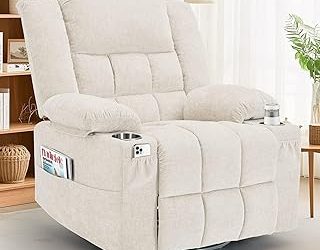
Euthymia Oversized Velvet Recliner, 400lbs
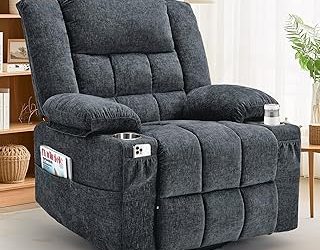
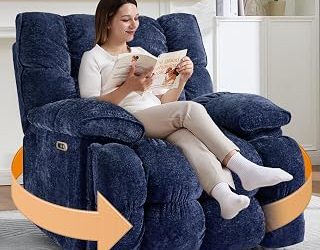
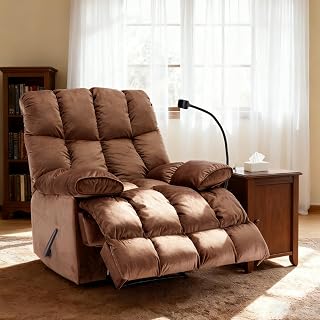
A strong manual option for home theater or bedroom use, with generous width and a 400-pound frame at a friendlier price than the powered models. Velvet holds warmth, so it suits cooler rooms better than warm ones — worth noting if you run hot at night.
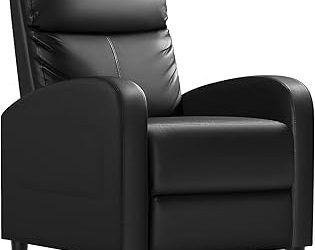
Manual Adjustable Oversized Recliner with Phone Holder
The pragmatic choice: 400-pound capacity, no motors to fail, and a compact enough profile for RVs and smaller living rooms. You give up headrest articulation, so it’s better suited to reading and evening relaxation than to sleeping upright.
Frequently Asked Questions
Is sleeping in a recliner every night bad for you?
Not inherently. For people with reflux, sleep apnea, or certain back and respiratory conditions, an inclined position can improve sleep quality measurably. The risks are circulation-related, so keep legs supported and elevated rather than dangling, and change position rather than staying locked in one angle all night.
How much weight capacity do I actually need?
Choose a rating at least 50 to 100 pounds above your weight. Capacity figures reflect static load, while real use involves repeated dynamic stress on the mechanism, so building in headroom significantly extends the chair’s working life.
Do heat and massage features do anything for sleep?
Gentle warmth applied before sleep can help by encouraging peripheral vasodilation, which supports the core body temperature drop that initiates sleep. Vibration massage is more about comfort than physiology — pleasant, but not a reason to choose one chair over another.
Is a lift recliner worth it if I don’t have mobility problems now?
Often yes, if you plan to keep the chair for a decade. Lift mechanisms reduce the strain of standing from a deep seat, which becomes more relevant with age or after injury, and they cost less to buy upfront than to retrofit later.
Final Thoughts
If rest quality is your priority, the Watson & Whitely leather power recliner is the most complete choice, thanks to its independent headrest and lay-flat range. Larger or taller frames should look first at the JIKFRIMA 500-pound lift recliner for its extended footrest and frame margin, while the FUNECORP dual-motor model is the smartest pick for anyone who wants precise control over recline geometry rather than fixed presets.