Key takeaways
- Backing chemistry: LVP’s clear wear layer reacts poorly to plasticizers found in cheap PVC and adhesive-style backings, which can leach and leave a hazy yellow footprint. Look for natural rubber, recycled felt, or food-grade silicone — and skip anything described as “sticky” or “tacky.”
- Thickness for sound, not just softness: A 1/4″ to 3/8″ felt core does the heavy lifting on impact noise, muting the hollow click that floating LVP tends to produce. If your bedroom sits above another living space, thickness is the single biggest upgrade you can make.
- Grip versus glide: Vinyl is slicker than hardwood, so a felt-only pad may cushion beautifully while still letting the rug creep. Rubber-backed or vacuum-grip designs solve the movement problem; low-pile rugs in high-traffic paths need them most.
- Breathability and moisture: Sealed, non-porous pads can trap humidity against the plank seams. Waterproof-membrane pads are the exception worth making — they block spills from reaching the subfloor while still releasing vapor at the edges.
- Off-gassing and bedroom air: Anything you install three feet from your pillow deserves scrutiny. Prioritize low-VOC, odorless construction and give any new pad a few days of ventilation before the rug goes down.
What's inside
As someone who spends most days talking with people about what wrecks their sleep, I’ve learned that the culprit is rarely the mattress alone. It’s the 2 a.m. trip to the bathroom across a rug that slides underfoot. It’s the thin, tinny echo of footsteps on luxury vinyl plank in a bedroom that never quite feels quiet. LVP is a wonderful floor — durable, warm-looking, forgiving of spills — but it is also a hard, resonant surface with a factory wear layer that certain rug backings can cloud, discolor, or grip too aggressively. The rug pad you choose is the buffer between a bedroom that feels calm and one that feels precarious.
This guide looks at rug pads through that lens: floor safety first, then acoustic dampening, then the underfoot softness that makes a bedroom feel restful rather than merely furnished. Below you’ll find the picks worth considering in 2026, a short primer on what actually matters when you’re shopping for LVP specifically, and answers to the questions people ask me most often once they realize their floor and their rug are quietly at odds.
As an Amazon Associate we earn from qualifying purchases.


How to Choose a Rug Pad For Lvp Flooring (2026)
- Backing chemistry: LVP’s clear wear layer reacts poorly to plasticizers found in cheap PVC and adhesive-style backings, which can leach and leave a hazy yellow footprint. Look for natural rubber, recycled felt, or food-grade silicone — and skip anything described as “sticky” or “tacky.”
- Thickness for sound, not just softness: A 1/4″ to 3/8″ felt core does the heavy lifting on impact noise, muting the hollow click that floating LVP tends to produce. If your bedroom sits above another living space, thickness is the single biggest upgrade you can make.
- Grip versus glide: Vinyl is slicker than hardwood, so a felt-only pad may cushion beautifully while still letting the rug creep. Rubber-backed or vacuum-grip designs solve the movement problem; low-pile rugs in high-traffic paths need them most.
- Breathability and moisture: Sealed, non-porous pads can trap humidity against the plank seams. Waterproof-membrane pads are the exception worth making — they block spills from reaching the subfloor while still releasing vapor at the edges.
- Off-gassing and bedroom air: Anything you install three feet from your pillow deserves scrutiny. Prioritize low-VOC, odorless construction and give any new pad a few days of ventilation before the rug goes down.
The Best Rug Pad For Lvp Flooring (2026)s Reviewed
RUGPADUSA Basics 3/8″ Felt
This is the pad I recommend when acoustics are the priority: 3/8″ of dense recycled felt absorbs footfall noise remarkably well and takes the hollow ring out of floating vinyl plank. It’s a cushioning pad rather than a gripping one, so pair it with a heavy rug or furniture anchoring it in place.
Waterproof GATORGRIP Non-Slip Pad
A rare combination — a moisture barrier that stops pet accidents and knocked-over water glasses from ever reaching the plank seams, with genuine non-slip performance on slick vinyl. The low-VOC, US-made construction makes it an easy call for bedrooms and nurseries.
RUGPADUSA Dual Surface Felt + Rubber
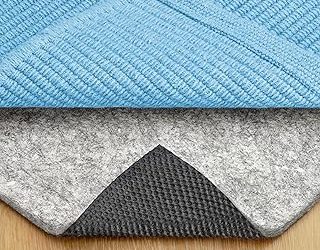
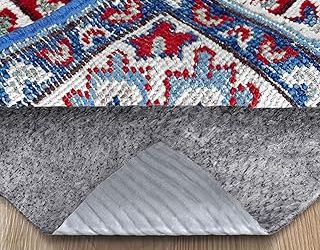
The most balanced pad on this list and my default suggestion for LVP: natural rubber holds the rug still without adhesives, while the felt layer supplies cushion and sound absorption. At 1/4″ it stays low enough to clear most door swings.
Mayhawk Vacuum-Tech Rug Gripper
Rather than a full-coverage pad, this is a thin silicone strip that uses suction-style micro-texture to lock rug edges down — residue-free, washable, and explicitly rated for LVP. Ideal for runners and small bedside rugs where a thick pad would create a trip hazard.
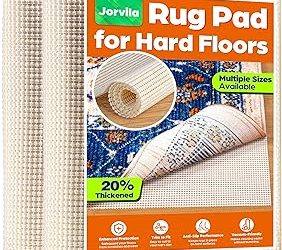
Jorvila Non-Slip Rug Pad Gripper
A well-priced middle option that delivers real anti-skid performance plus a modest cushioned layer, which is more than most budget grippers manage. Trim-to-fit sizing makes it useful for odd room dimensions and rugs that don’t match standard measurements.
Frequently Asked Questions
Will a rug pad discolor my LVP?
A properly made one won’t. Discoloration comes from plasticizer migration in low-grade PVC and from adhesive backings — natural rubber, felt, and food-grade silicone are all safe on vinyl wear layers.
How much does a rug pad actually reduce noise?
Meaningfully. A dense felt pad of 1/4″ or more dampens the impact noise that hard floors transmit, which matters if your bedroom shares a ceiling with a living area. It won’t soundproof a room, but it removes the sharp, sleep-disrupting edge from footsteps.
Should the pad be smaller than the rug?
Yes — size it about an inch shorter on each side so the rug edges taper to the floor. This keeps corners from lifting and prevents the pad from being visible or catching a toe on the way to bed.
Can I use a rug pad over radiant-heated LVP?
Use a thinner profile, around 1/4″, and confirm the manufacturer’s temperature rating. Thick felt insulates well, which is exactly what you don’t want sitting on top of a heating system.
Final Thoughts
For most bedrooms over LVP, the RUGPADUSA Dual Surface hits the right balance of grip, cushion, and floor safety. Choose the RUGPADUSA Basics 3/8″ if noise control is your main concern, or the Waterproof GATORGRIP if pets, kids, or spills are part of the equation — all three protect the floor while making the room a quieter place to fall asleep.