Key takeaways
- Thickness by body weight: Lighter sleepers under roughly 130 lbs rarely compress more than 2 inches of foam, so a thinner topper works well. Average builds do best at 3 inches. If you’re broader-shouldered or over about 200 lbs, look at 4 to 5 inches so your shoulder has somewhere to go before it bottoms out on the mattress beneath.
- Foam density over softness claims: A plush surface that collapses uniformly won’t hold your waist and hips in line. High-density foam contours at the shoulder while still pushing back under the pelvis — that differential is what keeps the spine straight in a side position.
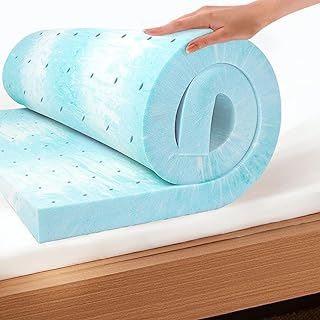
- Heat management: Side sleeping halves your surface contact and traps warmth between torso and mattress. Gel infusion and open ventilation channels genuinely help; a sealed slab of traditional viscoelastic foam will run warm no matter how the box describes it.
- Cover and anchoring: Side sleepers shift and roll more than back sleepers, so a topper with elasticized skirting or four-corner straps will stay put. A removable, washable cover is worth prioritizing if you sleep hot or share the bed with pets.
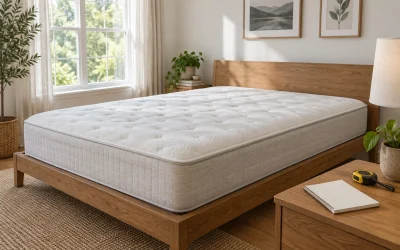
- Your existing mattress: A topper softens a firm bed beautifully but cannot rescue one that already sags. If your mattress has a visible dip, thicker foam will follow the dip rather than correct it — address the base first.
What's inside
Side sleeping concentrates nearly all of your body weight onto two narrow zones: the shoulder and the hip. On a mattress that doesn’t yield enough at those points, the pelvis stays propped up while the lumbar spine sags sideways, and the shoulder joint absorbs pressure it was never designed to hold for eight hours. The result is the pattern I hear about constantly in sleep consultations — a numb arm at 3 a.m., a dull ache along the outer hip, and a morning stretch that never quite resolves. Replacing an entire mattress is one fix. Adding two to five inches of well-chosen memory foam is the cheaper, faster one.
This guide looks at memory foam toppers specifically through a side-sleeping lens: how deeply they let the shoulder sink, whether they keep the hips supported instead of swallowing them, and how much heat they trap once your body is pressed into a smaller contact area. Below you’ll find the current standouts, a short framework for matching thickness to your body and mattress, and honest notes on where each option earns its keep.
As an Amazon Associate we earn from qualifying purchases.




🛒 Best Price Today on Amazon
Prime members get fast, free shipping on everything above, plus member-only deals. New members get a 30-day free trial — cancel anytime.
How to Choose a Memory Foam Mattress Topper For Side Sleeper (2026)
- Thickness by body weight: Lighter sleepers under roughly 130 lbs rarely compress more than 2 inches of foam, so a thinner topper works well. Average builds do best at 3 inches. If you’re broader-shouldered or over about 200 lbs, look at 4 to 5 inches so your shoulder has somewhere to go before it bottoms out on the mattress beneath.
- Foam density over softness claims: A plush surface that collapses uniformly won’t hold your waist and hips in line. High-density foam contours at the shoulder while still pushing back under the pelvis — that differential is what keeps the spine straight in a side position.
- Heat management: Side sleeping halves your surface contact and traps warmth between torso and mattress. Gel infusion and open ventilation channels genuinely help; a sealed slab of traditional viscoelastic foam will run warm no matter how the box describes it.
- Cover and anchoring: Side sleepers shift and roll more than back sleepers, so a topper with elasticized skirting or four-corner straps will stay put. A removable, washable cover is worth prioritizing if you sleep hot or share the bed with pets.
- Your existing mattress: A topper softens a firm bed beautifully but cannot rescue one that already sags. If your mattress has a visible dip, thicker foam will follow the dip rather than correct it — address the base first.
The Best Memory Foam Mattress Topper For Side Sleeper (2026)s Reviewed
ViscoSoft 3 Inch Memory Foam Topper
This is the balanced choice I recommend most often for average-build side sleepers: three inches of high-density ventilated foam gives the shoulder meaningful travel without letting the hips drift out of alignment. The removable rayon cover is a real advantage over glued-on fabric, both for temperature and for long-term hygiene.
SHOUREN 5 Inch Gel Memory Foam Topper
Broader-shouldered and heavier side sleepers often report that 3-inch toppers bottom out within a few weeks — five inches of gel-infused foam solves that, with enough depth to cradle the shoulder while contouring around the waist. The four-way straps are a practical touch given how much a topper this tall can shift.
EGO 3 Inch Gel Memory Foam Topper
A strong value pick with the two features that matter most for hot side sleepers: gel infusion plus a ventilated core that lets trapped air escape rather than pooling under your ribs. Expect a firmer initial feel than the ViscoSoft, which suits anyone who found other memory foam too yielding at the hips.
Premium Dual Layer 4 Inch Topper
The construction here is smart for side sleepers with back pain: a two-inch gel memory foam support layer beneath a two-inch pillow top, so the plush surface absorbs shoulder pressure while the denser foam underneath keeps the pelvis level. It’s a good middle ground if 3 inches feels thin but 5 feels excessive.
WhatsBedding 5 Inch Pillow Top Topper
This one leans furthest toward hotel-bed softness, with thick, breathable fill creating a genuinely enveloping surface. Best suited to side sleepers on an overly firm mattress who want dramatic cushioning; those who need pronounced lumbar support should look at the denser options above.
Frequently Asked Questions
What thickness should a side sleeper choose?
Three inches suits most average-build sleepers. Go to 4 or 5 inches if you’re heavier, broad through the shoulders, or your mattress is uncomfortably firm; 2 inches is generally enough only for lighter sleepers making a small adjustment.
Will a memory foam topper make me overheat?
It can, since foam insulates and side sleeping reduces airflow beneath you. Gel-infused, ventilated foam paired with breathable cotton or bamboo sheets makes a noticeable difference — avoid layering a waterproof protector on top unless you need one.
How long does the off-gassing smell last?
Unwrap the topper in a ventilated room and give it 24 to 72 hours before sleeping on it. CertiPUR-US certified foams, including several here, are tested for low emissions, so the odor is typically mild and short-lived.
Can a topper fix hip and shoulder pain on its own?
Often, yes, when pain stems from insufficient pressure relief. But if you also wake with numbness, consider your pillow height — side sleepers need a loftier pillow to fill the gap between ear and shoulder, and a new topper changes that geometry.
Final Thoughts
For most side sleepers, the ViscoSoft 3 Inch topper offers the best combination of contouring, support, and a washable cover at a sensible price. Heavier or broad-shouldered sleepers should size up to the SHOUREN 5 Inch for the extra depth their shoulders need, while the Premium Dual Layer 4 Inch is the smartest option if back pain is part of the picture and you want plush comfort over a firmer support core.