Key takeaways
- Vacuum thoroughly with a soft brush attachment, paying attention to seams, piping, and the crevice where the seat meets the back — that’s where grit collects and abrades the finish from underneath.
- Wipe the whole surface with a barely damp microfibre cloth to lift loose surface dust.
- Apply cleaner to the cloth, never directly to the sofa. Something like the Weiman Leather Cleaner & Conditioner works in a single pass on finished leather; for heavier build-up, a two-stage kit such as the Leather Honey Complete Leather Care Kit separates cleaning from conditioning so you can control each step.
- Move in overlapping sections roughly the size of a seat cushion, using light circular strokes. Don’t scrub — you are dissolving oils, not sanding.
- Buff each section dry with a second clean cloth before moving on, so nothing sits long enough to leave a tide line.
What's inside
As someone who spends most of my working life talking to people about rest, I’ve learned that the room you unwind in matters as much as the mattress you sleep on. The living room sofa is where the day actually ends for most households — the last hour of reading, the wind-down conversation, the accidental nap during a documentary. When that surface is tacky with body oils, dusty, or shedding a faint sour note into the air, your nervous system registers it even if your conscious mind shrugs. Leather is especially telling: it absorbs the sebum, hair product, and sweat we leave behind every evening, and unlike woven fabric it can’t hide it.
The good news is that leather is one of the easiest upholstery materials to keep genuinely fresh, provided you stop treating it like a countertop. This guide covers how to identify what your sofa is actually made of, a repeatable cleaning routine that takes about twenty minutes, which products earn a place in the cupboard, and how to build a maintenance rhythm that keeps the hide supple for a decade or more instead of two seasons.
As an Amazon Associate we earn from qualifying purchases.





First, Identify Your Leather Type
Nearly every cleaning mistake traces back to skipping this step. Most sofas sold today are finished (also called pigmented or protected) leather, which carries a thin polymer topcoat. It resists moisture, tolerates a damp cloth, and is what mainstream cleaners are formulated for. Aniline and semi-aniline leathers are dyed through without a heavy topcoat — richer looking, far thirstier, and prone to water spotting. Nubuck and suede are napped and should never meet a liquid cleaner; they need a dry brush and a specialist eraser. Test by placing a single drop of water on a hidden panel: if it beads and sits, you have finished leather. If it darkens and soaks in within seconds, you have an unprotected hide and should treat it far more gently.
The Twenty-Minute Cleaning Routine
Work in daylight if you can, and always start with a hidden test patch on the back or underside of a cushion. Wait ten minutes and check for colour transfer before continuing.
- Vacuum thoroughly with a soft brush attachment, paying attention to seams, piping, and the crevice where the seat meets the back — that’s where grit collects and abrades the finish from underneath.
- Wipe the whole surface with a barely damp microfibre cloth to lift loose surface dust.
- Apply cleaner to the cloth, never directly to the sofa. Something like the Weiman Leather Cleaner & Conditioner works in a single pass on finished leather; for heavier build-up, a two-stage kit such as the Leather Honey Complete Leather Care Kit separates cleaning from conditioning so you can control each step.
- Move in overlapping sections roughly the size of a seat cushion, using light circular strokes. Don’t scrub — you are dissolving oils, not sanding.
- Buff each section dry with a second clean cloth before moving on, so nothing sits long enough to leave a tide line.
Conditioning Is the Part People Skip
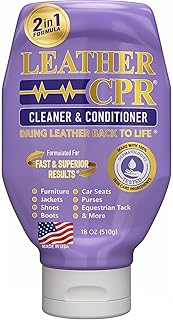
Cleaning removes; conditioning replaces. Leather is a protein structure that stiffens and eventually cracks as its natural fats deplete, and the arms and headrests — the places your skin touches most — dry fastest because cleaning happens there most often. A dedicated conditioner such as Leather Honey Leather Conditioner, or a restorative formula like Leather CPR Cleaner and Conditioner, should be applied in a thin, even film and left to absorb for a few hours before buffing. Use less than you think you need. Over-application leaves a greasy surface that transfers to clothing and, worse, attracts the dust you just removed. Twice a year is enough for most homes; three or four times a year if you run dry indoor heating through winter.
Spills, Stains, and What Not to Reach For
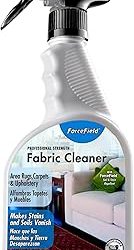
Blot immediately with a dry cloth — pressing straight down, never wiping outward, which spreads the mark. Water-based spills usually need nothing more. Grease and body oil respond to a light dusting of cornstarch left overnight, then vacuumed away. Ink is genuinely difficult and is often best left to a professional, since alcohol-based removers frequently take the dye with the ink. Permanently retire baby wipes, all-purpose sprays, vinegar solutions, dish soap, magic erasers, and anything containing bleach or ammonia. These strip the topcoat, and once the finish is gone, no conditioner will bring it back. A four-piece set like the Leather Cleaner and Conditioner Kit is worth keeping specifically so the wrong bottle never gets grabbed in a hurry.
Placement, Light, and Air Quality
Where the sofa sits determines how hard you’ll have to work. Direct sun bleaches and desiccates leather faster than any amount of use, so keep at least a metre between the piece and an unshaded south-facing window, or choose a formula offering UV protection — the larger Weiman 2 Pack is built around exactly that. Radiators and heat vents cause the same damage more quietly. Aim for indoor humidity between 40 and 55 percent, which happens to be the same range that keeps sinuses comfortable overnight, so a humidifier in a dry winter climate serves both your sofa and your sleep.
Tips
- Rotate and flip loose seat cushions monthly so wear, compression, and sun exposure distribute evenly.
- Keep a designated soft throw on the headrest zone if anyone in the house uses leave-in hair products — they are the single fastest cause of dark, sticky patches.
- Wipe down after pets rather than before guests. Claw oils and dander are acidic and do their damage over weeks, not hours.
- Label your bottle with the date you opened it. Most conditioners stay effective for two to three years, and an old separated product won’t perform.
Frequently Asked Questions
How often should I clean a leather sofa?
Vacuum weekly, wipe with a damp cloth monthly, and do a full clean-and-condition cycle every four to six months. Households with children, pets, or daily heavy use should move to a quarterly schedule.
Can I use olive oil or coconut oil instead of a conditioner?
No. Food oils don’t penetrate the fibre structure properly, they oxidise and go rancid inside the hide, and they leave a residue that darkens unevenly. The smell that develops months later is essentially impossible to remove.
Will cleaning remove scratches?
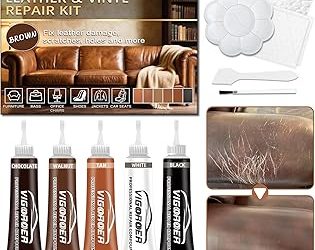
Light surface scuffs on finished leather often disappear once conditioned, because you’re re-swelling the fibres rather than filling a gap. Deeper cuts that expose pale leather beneath need a colour-matched repair compound or a professional technician.
Is a steam cleaner safe on leather?
Not on furniture. Steam forces moisture and heat past the topcoat, which loosens adhesives, shrinks the hide, and can cause permanent stiffness. Stick to a damp cloth and a purpose-made cleaner.
Conclusion
Caring for leather is less about intensive deep cleans and more about small, consistent habits: a weekly vacuum, a monthly wipe, and a proper conditioning treatment twice a year with a product matched to your leather type. Do that, and the sofa you collapse onto each evening stays soft, neutral-smelling, and genuinely inviting — which, when the whole point of that hour is to let your body downshift toward sleep, is worth considerably more than the twenty minutes it costs you.