Key takeaways
- Brush-roll control: Wool needs either a switchable brush roll or a soft, tangle-resistant roller. A stiff-bristled beater bar spinning at full speed will lift loose fibers indefinitely and leave your pile looking hazy within a season.
- Sealed HEPA filtration: For a bedroom, the seal matters more than the filter rating. Look for language about a fully sealed system — otherwise fine dander escapes through housing gaps and lands back on the bed you just made.
- Suction you can moderate: Wool’s density means strong airflow helps, but you want a way to dial it back or lift the head slightly on fringes and flatweaves. Fixed maximum suction on a delicate rug is a recipe for edge distortion.
- Weight and reach: Bedrooms mean working around bed skirts, nightstands, and low headboards. A lighter body or a detachable pod saves you from dragging furniture around, which is the real reason vacuums go unused.
- Dry cleaning only: Wool is hydrophilic and slow to dry. Reserve wet extraction for synthetic carpet and treat spot spills on wool with a dedicated professional approach instead.
What's inside
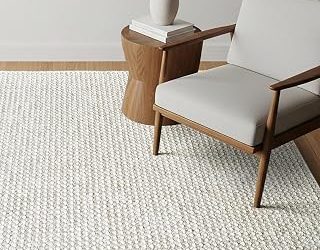
A wool rug in the bedroom is one of the quietest upgrades you can make to your sleep environment. Wool buffers footfall noise, stabilizes floor temperature against bare feet at 2 a.m., and holds humidity in a range that keeps the air from feeling parched. The catch is that those same crimped, scaly fibers are extraordinary at capturing skin flakes, pet dander, and the fine grit that feeds dust mites — and then holding onto all of it, deep in the pile, directly beside your pillow. A rug that traps particulates is only an asset if you actually get them back out.
This is where most vacuum shopping goes sideways. Aggressive brush rolls fuzz and shed wool prematurely; weak suction skims the surface and leaves the reservoir intact; unsealed machines exhaust what they just collected back into the room you sleep in. Below, I’ve assessed six widely available 2026 models specifically for bedroom wool care — weighing filtration integrity, brush-roll behavior on natural fiber, and how easy each one is to actually pick up and use on a Sunday morning. Recommendations follow, then a buying framework and answers to the questions I field most often.
As an Amazon Associate we earn from qualifying purchases.


How to Choose a Vacuum For Wool Rug (2026)
- Brush-roll control: Wool needs either a switchable brush roll or a soft, tangle-resistant roller. A stiff-bristled beater bar spinning at full speed will lift loose fibers indefinitely and leave your pile looking hazy within a season.
- Sealed HEPA filtration: For a bedroom, the seal matters more than the filter rating. Look for language about a fully sealed system — otherwise fine dander escapes through housing gaps and lands back on the bed you just made.
- Suction you can moderate: Wool’s density means strong airflow helps, but you want a way to dial it back or lift the head slightly on fringes and flatweaves. Fixed maximum suction on a delicate rug is a recipe for edge distortion.
- Weight and reach: Bedrooms mean working around bed skirts, nightstands, and low headboards. A lighter body or a detachable pod saves you from dragging furniture around, which is the real reason vacuums go unused.
- Dry cleaning only: Wool is hydrophilic and slow to dry. Reserve wet extraction for synthetic carpet and treat spot spills on wool with a dedicated professional approach instead.
The Best Vacuum For Wool Rugs Reviewed
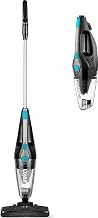
Eureka Airspeed Ultra-Lightweight NEU10AE5
At 7.7 pounds, this is the model I recommend to anyone who avoids vacuuming because their current machine feels like furniture. It handles low-pile and flatweave wool gracefully, the washable filter keeps running costs near zero, and the crevice tool reaches the perimeter where dust reliably collects along baseboards.
Bissell Pet Hair Eraser Allergen Lift-Off 39883
The detachable canister is the standout feature for bedroom use — you can lift the pod and work under the bed frame without repositioning anything. Its tangle-free brush roll is notably gentler on wool than conventional bristle bars, and allergen-trapping HEPA filtration makes it a sensible pick for anyone whose sleep suffers during allergy season.
Shark NV752 Rotator Powered Lift-Away TruePet
The most capable all-rounder here: a genuinely sealed HEPA system, a 0.88-quart dust cup that survives a full-house session, and Powered Lift-Away for stair landings and upholstered headboards. Use the upholstery tool rather than the Pet Power Brush on high-pile wool, and you’ll get deep extraction without accelerating shed.
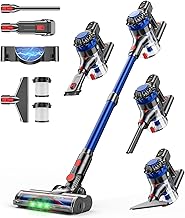
Upgraded 650W 55KPA Cordless Stick Vacuum
Seventy minutes of runtime and a self-standing body mean this one lives in the bedroom and gets used casually — which, for dander control, beats a stronger machine used monthly. The anti-tangle head is well suited to wool, and the touch screen makes stepping down suction on delicate areas straightforward.
KARDV Cordless Vacuum, 8-in-1
Wall-mount charging keeps it visible and accessible, and 40Kpa is ample for maintenance passes on a bedroom rug. The eight-piece tool set covers mattress seams and curtain hems, both underrated dust-mite reservoirs in an otherwise clean room.
Frequently Asked Questions
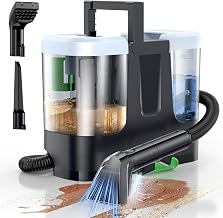
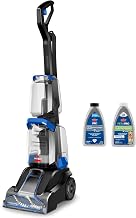
Can I use a carpet shampooer like the BISSELL TurboClean PET on wool?
Not on wool. The TurboClean 3948 is a strong choice for synthetic carpet and upholstery, but saturating wool risks shrinkage, dye migration, and prolonged dampness — the exact conditions mold and mites prefer.
How often should I vacuum a bedroom wool rug?
Twice weekly for the traffic path, once weekly for the full surface. Wool releases its captured load slowly, so consistency outperforms occasional deep sessions.
Why does my new wool rug shed so much?
Loose fibers left over from manufacturing work their way out over roughly three to six months. Vacuum with the brush roll off during this window and shedding tapers naturally.
Does vacuuming actually improve sleep?
Indirectly but meaningfully. Lowering the dander and dust-mite burden near the bed reduces nighttime nasal congestion and the micro-arousals that fragment deep sleep.
Final Thoughts
For most bedrooms, the Shark NV752 Rotator delivers the best combination of sealed filtration and reach, while the Bissell Pet Hair Eraser Lift-Off is the smarter buy if allergies drive your decision. If a heavy machine is the reason your rug goes untouched, the Eureka Airspeed at 7.7 pounds will do more good than any spec sheet suggests.