Key takeaways
- Measure the backrest, not the chair: Nearly every fit complaint traces back to a guessed measurement. Run a tape across the widest point of the backrest from outer seam to outer seam, then match that number to the manufacturer’s stated range rather than a size label like “medium.”
- One-piece versus multi-piece: One-piece stretch covers install in under a minute and suit chairs that recline occasionally. Four-piece designs — separate back, seat, footrest, and arm sections — hold position far better on chairs that get reclined and returned several times a night.
- Breathability for anyone who sleeps in the chair: Waterproof backing is invaluable against accidents, but laminate films also trap body heat and moisture vapor. If the chair is used for genuine sleep rather than short sitting, favor a knit or quilted face fabric and reserve fully waterproof options for pet-heavy or child-heavy situations.
- Anti-slip engineering: Look for elastic hems, tuck-in foam strips, and non-slip silicone dots on the underside. A cover that stays put is the difference between a barrier you forget about and one you’re constantly adjusting.
- Wash cycle realism: Choose something you’ll launder every two to three weeks without dread. Cold wash, low tumble, and a fabric that doesn’t need ironing beats a luxurious cover that lives permanently in the “should probably clean that” category.
What's inside
The recliner has quietly become one of the most important pieces of sleep furniture in the American home. As someone who spends their days talking with people about rest architecture — where they doze, how long, and why they wake up stiff — I can tell you that the chair in the corner of the living room absorbs an enormous amount of unplanned sleep. Evening naps, post-shift recovery, the 2 a.m. relocation when reflux or back pain makes lying flat unbearable. That chair takes on body heat, night sweat, skin oils, and pet dander at a rate no one anticipates when they buy it. Then the upholstery starts to look tired, the fabric goes clammy against bare arms, and the surface people rest on most often becomes the one they least want to touch.
A slipcover solves this less glamorously than a new chair, and far more effectively. The right one gives you a washable, breathable barrier you can strip off on a Saturday morning, plus a surface that doesn’t trap heat during a long doze. The wrong one bunches, slides down the backrest every time the footrest moves, and generates the kind of low-grade irritation that fragments light sleep. This guide breaks down what actually matters — stretch recovery, section design, moisture behavior, and grip — and reviews the covers worth your money in 2026.
As an Amazon Associate we earn from qualifying purchases.


How to Choose Recliner Slipcovers (2026)
- Measure the backrest, not the chair: Nearly every fit complaint traces back to a guessed measurement. Run a tape across the widest point of the backrest from outer seam to outer seam, then match that number to the manufacturer’s stated range rather than a size label like “medium.”
- One-piece versus multi-piece: One-piece stretch covers install in under a minute and suit chairs that recline occasionally. Four-piece designs — separate back, seat, footrest, and arm sections — hold position far better on chairs that get reclined and returned several times a night.
- Breathability for anyone who sleeps in the chair: Waterproof backing is invaluable against accidents, but laminate films also trap body heat and moisture vapor. If the chair is used for genuine sleep rather than short sitting, favor a knit or quilted face fabric and reserve fully waterproof options for pet-heavy or child-heavy situations.
- Anti-slip engineering: Look for elastic hems, tuck-in foam strips, and non-slip silicone dots on the underside. A cover that stays put is the difference between a barrier you forget about and one you’re constantly adjusting.
- Wash cycle realism: Choose something you’ll launder every two to three weeks without dread. Cold wash, low tumble, and a fabric that doesn’t need ironing beats a luxurious cover that lives permanently in the “should probably clean that” category.
The Best Recliner Slipcovers (2026) Reviewed
1-Piece Navy Blue Stretch Recliner Cover (24″–37″)
The generous 24″–37″ span makes this the safest pick when you’re ordering without confident measurements, and the elastic bottom keeps it anchored through repeated reclining. Navy hides the shadowy wear marks that pale covers advertise, which is why I recommend it for chairs in nightly rotation.
VANSOFY Stretch Recliner Chair Cover, Dark Gray
The high-stretch knit here has genuinely good recovery — it snaps back after being pulled taut rather than staying stretched and baggy. The soft hand feel is the standout: it’s pleasant against bare skin, which matters more than buyers expect for a chair used for evening dozing.
Jacquard Stretch Recliner Slipcover, Chocolate
The jacquard texture gives this one a deliberately upholstered look instead of the shrink-wrapped appearance cheap stretch covers can have. Chocolate is the most forgiving color in the category, and the side pocket keeps a remote or reading glasses within reach without a bedside table.
H.VERSAILTEX Velvet Stretch 4-Piece Recliner Cover, Ivory
This is the one I point people toward when the chair reclines constantly, because the four separate sections move with the mechanism instead of fighting it. The velvet is thick and non-slip, though ivory demands a household willing to run a wash cycle on schedule.
Ameritex Waterproof Nonslip Recliner Cover (Beige, 23″)
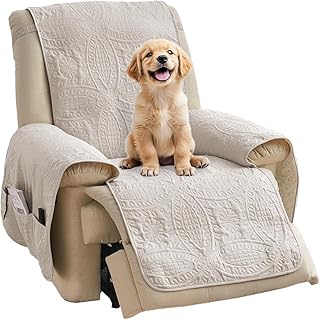
For homes with dogs on the chair or a child who falls asleep mid-cartoon, the waterproof layer here is the practical choice, and it stays in position notably better than most protective covers. Add a light throw on top if the chair is used for real sleep, since the barrier layer does hold some warmth.
Frequently Asked Questions
Will a slipcover interfere with the reclining mechanism?
Properly fitted, no. Problems arise when a cover is tucked into the footrest hinge or pulled so tight that it restricts extension — leave slack at the joints and check the footrest travels fully before settling in.
How often should I wash a recliner cover?
Every two to three weeks if anyone sleeps in the chair, monthly for ordinary sitting, and weekly if pets share the seat. Skin cells and body oils build up faster on a reclined surface than on a dining chair.
Are waterproof covers uncomfortable to sleep on?
They run warmer than knit covers and can feel slightly plasticky in humid weather. If you need the protection but sleep in the chair regularly, layer a breathable cotton throw over the top for direct skin contact.
Can one cover fit both a rocker recliner and a wall-hugger?
Often yes, since sizing is driven by backrest width rather than mechanism type. Wall-huggers with narrow side profiles sometimes suit multi-piece covers better, as the sections can be positioned independently.
Final Thoughts
For most households, the VANSOFY Stretch Cover in dark gray offers the best combination of comfort, fit retention, and price — it’s the one I’d install on a chair that sees nightly use. If your recliner is in near-constant motion, the H.VERSAILTEX four-piece velvet set is worth the extra installation time for how firmly it stays put, while the Ameritex waterproof cover remains the sensible answer for pets, kids, and anyone managing spills.