Key takeaways
- Fill density over fill volume: A tall, fluffy cushion compresses to nothing under bodyweight. High-resilience memory foam or firm shredded fill is what still supports you an hour in — squeeze test the corner, not the middle.
- Curve depth matched to your gap: Sit back in your recliner and slide a hand behind your waist. A finger’s width of space calls for a slim 3-inch cushion; a fist’s width needs a deeper contoured wedge, or you’ll be pushed forward off the backrest.
- Anchoring method: Recliners recline, and unsecured cushions migrate upward toward your shoulder blades. Look for adjustable straps, a non-slip backing, or a shape wide enough to wedge itself in place.
- Cover breathability and washability: Your low back is a heat and moisture point, and trapped warmth late in the evening works against the core-temperature drop that helps you fall asleep. Choose a removable, machine-washable knit or mesh cover over sealed faux leather.
- Built-in vs. bolt-on: If you’re replacing the chair anyway, a power recliner with adjustable lumbar and an independent headrest solves the problem structurally — better long-term than layering cushions onto a chair that fights you.
What's inside
Most people don’t discover their recliner has a lumbar problem until about the ninety-minute mark. The chair feels wonderful for the first stretch of an evening — then the low back starts to ache, you shift, you cross an ankle over the opposite knee, and by the time the credits roll you’re standing up stiffly and blaming your age. What’s actually happening is simpler than that: most recliners are built with a generous, softly upholstered gap right where your lumbar curve needs contact. Your spine has nothing to rest against, so the small stabilizing muscles around it stay quietly switched on for hours instead of standing down.
From a sleep-wellness standpoint this matters more than comfort alone. Evening recliner time is the runway into sleep, and a body that’s holding low-grade muscular tension carries that tension into bed — which is why so many people describe “falling asleep fine, waking at 2 a.m. with a sore back.” Closing the lumbar gap is one of the cheapest, highest-return fixes available. This guide covers what actually distinguishes a good recliner lumbar cushion from a decorative throw pillow, which cushions hold their shape past the first month, and which recliners come with proper lumbar architecture built in so you don’t need an add-on at all.
As an Amazon Associate we earn from qualifying purchases.




How to Choose a/an Recliner Lumbar Support (2026)
- Fill density over fill volume: A tall, fluffy cushion compresses to nothing under bodyweight. High-resilience memory foam or firm shredded fill is what still supports you an hour in — squeeze test the corner, not the middle.
- Curve depth matched to your gap: Sit back in your recliner and slide a hand behind your waist. A finger’s width of space calls for a slim 3-inch cushion; a fist’s width needs a deeper contoured wedge, or you’ll be pushed forward off the backrest.
- Anchoring method: Recliners recline, and unsecured cushions migrate upward toward your shoulder blades. Look for adjustable straps, a non-slip backing, or a shape wide enough to wedge itself in place.
- Cover breathability and washability: Your low back is a heat and moisture point, and trapped warmth late in the evening works against the core-temperature drop that helps you fall asleep. Choose a removable, machine-washable knit or mesh cover over sealed faux leather.
- Built-in vs. bolt-on: If you’re replacing the chair anyway, a power recliner with adjustable lumbar and an independent headrest solves the problem structurally — better long-term than layering cushions onto a chair that fights you.
The Best Recliner Lumbar Support (2026)s Reviewed
Soft and Fluffy Back Support Cushion for Recliners
The gentlest option here, and the right call for people whose backs protest against firm foam — think acute flare-ups, post-surgical recovery, or side-leaning reading positions. It’s genuinely plush rather than corrective, so treat it as cushioning that fills a modest gap, not as a posture device for a deeply hollowed backrest.
SofGlowly Large Memory Foam Lumbar Support Pillow
The most versatile pick for the widest range of recliners: the large memory foam block has enough density to survive a full evening without pancaking, and the ergonomic contour actually mirrors a natural lumbar curve rather than just bulging outward. The machine-washable cover is the detail that keeps it usable long-term — nightly contact means it will need laundering.
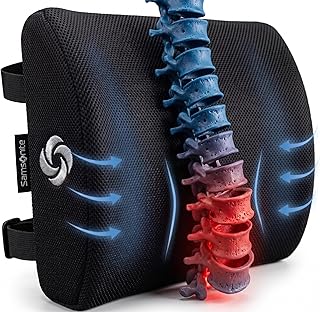
Samsonite Memory Foam Lumbar Support Pillow
A slim, disciplined cushion that shines where bulk is a liability — shallow recliners, desk chairs, and car seats. Its low profile means it corrects posture without shoving you off the backrest, and the strap system keeps it anchored through repeated reclining cycles better than most cushions in its class.
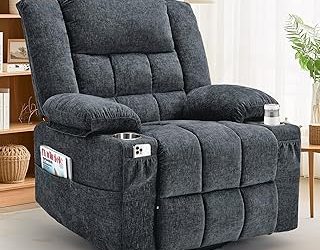
CHITA Wall Hugger Genuine Leather Power Recliner
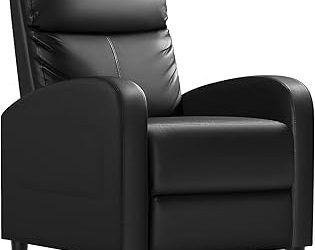
For small living rooms and RVs, this is the structural solution: the wall-hugger mechanism reclines in minimal clearance, and the adjustable power headrest lets you set neck angle independently so your head isn’t pushed forward while your low back is supported. USB and Type-C ports are a practical touch for evening wind-down without a bedside detour.
CHITA Genuine Leather Power Recliner, Swivel Rocker
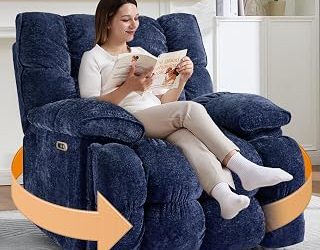
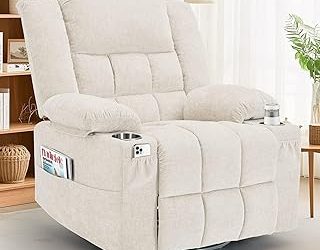
The strongest overall choice for anyone with genuine chronic low-back pain, because the lumbar support is powered and adjustable rather than fixed — you can dial in more or less curve as the evening progresses and your muscles fatigue. The triple-motor setup moves headrest, back, and footrest independently, which is what makes truly neutral spinal alignment achievable.
Frequently Asked Questions
Where exactly should a lumbar cushion sit?
At the natural inward curve of your low back, roughly level with your belt line or an inch or two above it. If it sits higher, it rounds your mid-back forward; if lower, it presses your tailbone and tilts your pelvis the wrong way.
Will lumbar support help me sleep better?
Indirectly, and meaningfully. Supported posture during evening relaxation reduces the residual muscle tension people carry into bed, and a better-aligned recliner discourages the accidental full-night sleep-in-the-chair that leaves you stiff and unrested by morning.
Memory foam or shredded fill?
Memory foam holds a defined contour and is the better choice for correction and consistency. Shredded fill is more forgiving and adjustable but flattens faster — plan on fluffing it regularly and replacing it sooner.
Do I need a cushion if my recliner already claims lumbar support?
Often not, provided the support is adjustable and hits your curve. Fixed lumbar padding is frequently positioned for an average torso height, so shorter or taller users may still benefit from a slim supplemental cushion.
Final Thoughts
For most people the SofGlowly memory foam cushion is the sensible starting point — supportive, well-shaped, and washable at a fraction of the cost of a new chair. If your recliner is shallow or you want one cushion that travels between chair, desk, and car, the Samsonite is the smarter slim-profile buy. And if back pain is a nightly reality rather than an occasional annoyance, skip the workarounds and invest in the CHITA Swivel Rocker Power Recliner, whose adjustable powered lumbar lets you tune support as the evening goes on.