Key takeaways
- Powered lumbar vs. removable pillow: A motorized or pump-driven lumbar panel pushes into the curve of your spine and holds position under load. A loose pillow migrates within minutes and does almost nothing once you recline past 30 degrees. If low-back relief is your primary goal, buy the mechanism, not the cushion.
- Motor count and independence: Single-motor chairs move the back and footrest together, forcing your hips into a fixed angle. Triple-motor designs separate backrest, footrest, and headrest so you can open the hip angle without lifting your legs — the difference between a chair you tolerate and one you sleep in.
- Seat depth against your thigh length: If the seat pan is deeper than your thigh, the front edge can’t support you and your pelvis rotates backward, flattening the lumbar curve no matter how much support sits behind it. Measure from the back of your hip to the crease behind your knee and subtract about two inches.
- Zero-gravity positioning for circulation: Raising knees above the heart reduces spinal compression and eases venous return, which is why the position is worth seeking out if you deal with swelling, reflux, or nighttime restlessness. Confirm the chair actually reaches that angle rather than just labeling a preset.
- Getting out matters as much as getting in: For anyone with hip or knee limitations, a lift base that tilts you toward standing prevents the lurching motion that strains the low back. Also check weight capacity honestly — frames rated near your weight will develop creaks and sag within a year.
What's inside
Most people shopping for a recliner are really shopping for relief. They’ve spent months waking up with a tight low back, or they’ve discovered that the only position that quiets the ache is half-upright with a cushion jammed behind the pelvis. As someone who spends their working hours talking to people about rest architecture — how the body is supported during the hours it isn’t moving — I can tell you that the wrong chair quietly undoes a good mattress. A seat that lets the lumbar curve collapse into a C-shape trains the spine into that shape, and hours of evening slouching follow you into bed.
Adjustable lumbar support solves this by letting you place the fill where your own spine actually needs it rather than where a factory template guessed. This guide breaks down the mechanics worth paying for, the features that are mostly marketing, and six recliners — leather and faux, rocker and lift — that handle lumbar adjustment with genuine engineering rather than a decorative pillow. Whether you nap in your chair, read in it, or use it as a recovery station after long shifts, there’s a match below.
As an Amazon Associate we earn from qualifying purchases.


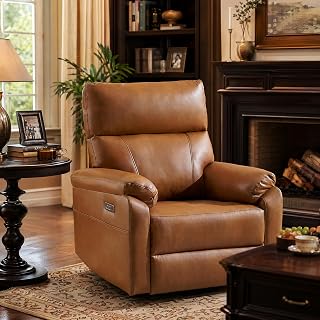


How to Choose a Recliner With Adjustable Lumbar Support (2026)
- Powered lumbar vs. removable pillow: A motorized or pump-driven lumbar panel pushes into the curve of your spine and holds position under load. A loose pillow migrates within minutes and does almost nothing once you recline past 30 degrees. If low-back relief is your primary goal, buy the mechanism, not the cushion.
- Motor count and independence: Single-motor chairs move the back and footrest together, forcing your hips into a fixed angle. Triple-motor designs separate backrest, footrest, and headrest so you can open the hip angle without lifting your legs — the difference between a chair you tolerate and one you sleep in.
- Seat depth against your thigh length: If the seat pan is deeper than your thigh, the front edge can’t support you and your pelvis rotates backward, flattening the lumbar curve no matter how much support sits behind it. Measure from the back of your hip to the crease behind your knee and subtract about two inches.
- Zero-gravity positioning for circulation: Raising knees above the heart reduces spinal compression and eases venous return, which is why the position is worth seeking out if you deal with swelling, reflux, or nighttime restlessness. Confirm the chair actually reaches that angle rather than just labeling a preset.
- Getting out matters as much as getting in: For anyone with hip or knee limitations, a lift base that tilts you toward standing prevents the lurching motion that strains the low back. Also check weight capacity honestly — frames rated near your weight will develop creaks and sag within a year.
The Best Recliner With Adjustable Lumbar Support (2026)s Reviewed
AEDI Genuine Leather Power Zero Gravity Recliner
The strongest all-around pick for sleep-adjacent use: triple motors let you set an open hip angle, dial the lumbar panel into your curve, and then tune the headrest so your neck isn’t craned forward — the three adjustments that actually determine whether you drift off comfortably. Genuine leather and an extended footrest make it a legitimate option for taller users who normally hang off the end of a recliner.
Watson & Whitely Power Lumbar Recliner
Built for big-and-tall frames without the boxy proportions that usually come with that category, and the powered lumbar has enough travel to serve both deep and shallow spinal curves. The zero-gravity geometry is the real draw here — genuinely useful for anyone who finds flat reclining aggravates reflux or leg swelling.
Power Recliner Swivel Rocker with Adjustable Lumbar
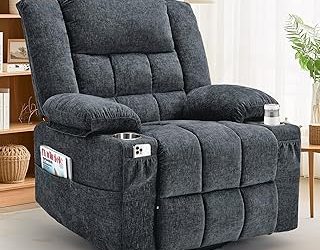
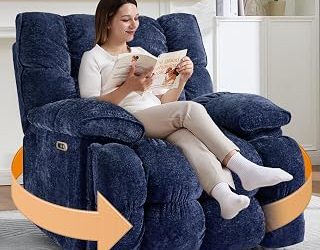
A smart choice for nurseries and small bedrooms, where the glide motion and adjustable lumbar together let a feeding parent stay upright and supported at 3 a.m. instead of collapsing into a slouch. Faux leather keeps it wipeable, and the USB-C port means you’re not hunting for a cable one-handed.
CHITA Genuine Leather Power Recliner, Swivel Rocker
The most living-room-friendly of the group: creamy grey leather, a compact footprint, and independent triple-motor control including lumbar and headrest. It rewards small adjustments throughout an evening, which is exactly how spinal support should be used — position changes beat holding one “correct” posture.
MAHOMICO Power Lift Recliner with Massage and Lumbar Heating
Heat applied directly to the lumbar region relaxes guarded paraspinal muscles, and pairing that with gentle vibration before bed can meaningfully shorten the time it takes to settle. The lift base handles the hard part — standing up — making this the practical pick for older users or post-surgical recovery.
Frequently Asked Questions
Is sleeping in a recliner bad for your back?
Not inherently, and for some people it’s better than lying flat. A reclined position with supported lumbar curve and elevated knees reduces disc pressure, which is why it’s often recommended after back surgery. The risk is falling asleep in an unsupported slump, so set your lumbar and headrest before you get drowsy.
How much lumbar support is too much?
If you feel a distinct pressure point or your shoulders are pushed forward, the panel is inflated too far. Aim for gentle, continuous contact that maintains a natural inward curve — support should feel like absence of strain, not like something pressing on you.
Do I need three motors, or is one enough?
For occasional TV watching, one motor is fine. If you have existing back pain, spend long stretches in the chair, or nap in it regularly, independent backrest and footrest control is worth the upgrade — the chairs above from AEDI, CHITA, and EONIX all offer it.
Leather or faux leather for long-term use?
Genuine leather breathes better during long sits and resists the cracking that plagues cheap bonded material. Faux leather makes sense in nurseries, homes with pets, or anywhere spills are likely, provided you accept a shorter service life.
Final Thoughts
If you want one chair that does everything well, the AEDI Genuine Leather Zero Gravity Recliner is the pick — its independent lumbar, headrest, and footrest control let you build a genuinely restorative position rather than settling for a preset. Larger frames should look first at the Watson & Whitely, which delivers the same powered lumbar depth on a sturdier base, while anyone prioritizing easy standing and targeted heat therapy will get more day-to-day value from the MAHOMICO Power Lift Recliner. All three respect the same principle: support the curve, then let the position change.