Key takeaways
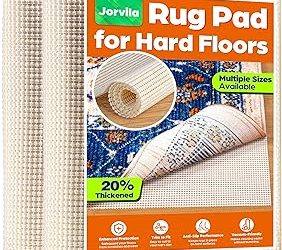
- Backing material: Prioritize woven jute, cotton, or a breathable non-slip weave over solid rubber or PVC. Sealed backings trap humidity against the boards, and plasticizers can leach into polyurethane finishes over months of contact.
- Pile height and density: Low pile (roughly 0.2–0.4 inch) sits flat under doors and dining chairs, but density is what absorbs sound. A dense low-pile rug dampens footfall noise better than a thin, sparse shag.
- Weight versus washability: Lightweight, foldable rugs go into a home washing machine — genuinely useful in bedrooms and nurseries where dust and dander accumulate. Heavier traditional constructions last longer but require professional cleaning.
- Size and layout: An 8×10 anchors most living rooms and queen beds. Leave 12–18 inches of exposed wood around the perimeter; under a dining table, extend at least 24 inches past every edge so chair legs never catch.
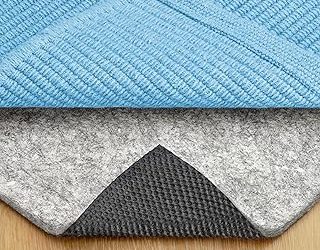
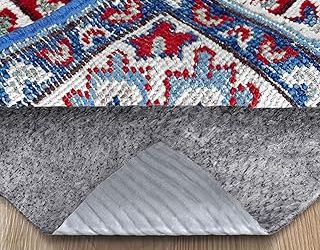
- Slip resistance done properly: Even “non-slip” rugs benefit from a separate felt-and-natural-rubber pad. It adds cushioning, improves acoustic absorption, and lets air circulate underneath.
What's inside
Hardwood floors are a gift to a home right up until the moment you try to live quietly on them. Sound bounces off a bare plank floor instead of being absorbed by it, so every footstep at 6 a.m., every chair scrape at dinner, every dog sprinting toward the door lands harder than it should. As someone who spends most days helping people troubleshoot their sleep environments, I can tell you that acoustics and thermal comfort in the room next to the bedroom matter almost as much as the mattress itself. Add the friction problem — most rugs slide on sealed wood, and stiff latex backings can haze or discolor a finish over time — and rug shopping starts to feel like a compromise you can’t win.
You can win it, though, with the right specifications. This guide breaks down what actually matters for hardwood: backing chemistry, pile height, weight, and washability. Then it walks through five 8×10 rugs that hold up in real homes — the sizes and constructions I keep recommending to clients who want a softer, quieter, better-rested house without gambling on their floors.
As an Amazon Associate we earn from qualifying purchases.



How to Choose a/an Area Rug For Hardwood Floors (2026)
- Backing material: Prioritize woven jute, cotton, or a breathable non-slip weave over solid rubber or PVC. Sealed backings trap humidity against the boards, and plasticizers can leach into polyurethane finishes over months of contact.
- Pile height and density: Low pile (roughly 0.2–0.4 inch) sits flat under doors and dining chairs, but density is what absorbs sound. A dense low-pile rug dampens footfall noise better than a thin, sparse shag.
- Weight versus washability: Lightweight, foldable rugs go into a home washing machine — genuinely useful in bedrooms and nurseries where dust and dander accumulate. Heavier traditional constructions last longer but require professional cleaning.
- Size and layout: An 8×10 anchors most living rooms and queen beds. Leave 12–18 inches of exposed wood around the perimeter; under a dining table, extend at least 24 inches past every edge so chair legs never catch.
- Slip resistance done properly: Even “non-slip” rugs benefit from a separate felt-and-natural-rubber pad. It adds cushioning, improves acoustic absorption, and lets air circulate underneath.
The Best Area Rug For Hardwood Floors (2026)s Reviewed
UERMEI 8×10 Washable Abstract Rug
The thin, flexible profile is the standout here — it lies genuinely flat on wood without curling corners, and the muted brown-grey abstract pattern hides the everyday grit that shows instantly on solid colors. Fully machine washable, which makes it a sensible pick for a bedroom where you want to reduce settled dust before sleep.
8×10 Washable Non-Slip Beige Rug
A soft, low-pile beige option built to fold into a washer without fighting you, and the stain resistance earns its place under a dining table. The neutral tone reflects light rather than absorbing it, which keeps a room feeling calm instead of cavernous.
Soalmost Washable Vintage Beige Rug
This one gets the balance right for open-plan spaces: a vintage-inspired print with enough visual texture to disguise wear, on a low-pile, lightweight body that handles repeated laundering. The non-slip construction plus a felt pad underneath is a combination I’d trust in a hallway.
SUPERIOR Rockwood Geometric Rug
The jute backing is the reason this is my structural recommendation — natural fiber breathes against hardwood and won’t leave a residue ring after a year in place. The chocolate geometric weave is denser than the washable options, so it does more acoustic work in high-traffic entryways.
Ultra Soft Faux Wool Washable Rug
Faux wool delivers the plush hand-feel of the real thing at a fraction of the maintenance, and it’s non-shedding — a meaningful detail if you’re managing allergens in a sleeping area. Kid- and pet-friendly, machine washable, and quiet underfoot.
Frequently Asked Questions
Can a rug actually damage hardwood floors?
The rug rarely does; the backing and the pad often do. Solid rubber and PVC can react with floor finishes and trap moisture, causing discoloration. Choose jute, cotton, or felt-and-natural-rubber and lift the rug occasionally to let the floor breathe.
Do rugs really make a room quieter?
Yes, measurably. Soft, dense surfaces absorb mid- and high-frequency reflections and cut impact noise transmission between floors. A well-padded 8×10 in a living room noticeably reduces the sound reaching bedrooms above or beside it.
How often should I wash a machine-washable rug?
Every three to four months for general living areas, or every six to eight weeks in bedrooms if you’re sensitive to dust mites and dander. Cold water, gentle cycle, air dry flat.
Is 8×10 the right size for my room?
For most living rooms of 12×14 feet or larger and for queen-bed layouts, yes. Measure and mark the outline with tape first — it’s the fastest way to see whether the proportion works before anything ships.
Final Thoughts
If you want the safest long-term relationship with your floors, the SUPERIOR Rockwood and its natural jute backing is the pick. For homes where cleanability and quiet comfort matter most — bedrooms, nurseries, anywhere sleep quality is on the line — the UERMEI washable abstract and the ultra-soft faux wool option are the two I’d put on the shortlist.