Key takeaways
- Wall clearance: Look specifically for a wall-hugger mechanism, which reclines on an internal track rather than pushing the frame backward. These need roughly three to five inches behind the seat instead of the twelve-plus a conventional recliner demands — often the difference between a walkable room and an obstacle course.
- Recline angle and leg support: For genuine relaxation, you want a backrest that opens past 130 degrees with a footrest that raises your ankles above hip level. Elevating the legs encourages blood flow away from the extremities, which supports the mild drop in core temperature that precedes sleep.
- Manual versus power: Manual mechanisms cost less, never need an outlet, and are ideal for RVs or rooms with awkward wiring. Power models let you adjust in tiny increments without engaging your core — a real advantage for anyone with back pain, limited mobility, or a habit of dozing off mid-position.
- Console or no console: A flip-up center console adds cup holders and a place to stash a book or eye mask, but it costs you four to eight inches of width. In rooms under 11 feet across, a consoleless design with side pockets usually earns its keep.
- Upholstery and heat retention: Chenille and flannel feel warm and forgiving in cool rooms. Leathaire and similar breathable synthetics shed body heat faster, which is the better call if you run warm in the evenings or live somewhere humid.
What's inside
In a compact apartment, the sofa is rarely just a sofa. It’s the reading chair, the nap spot, the place you end up at 11 p.m. when the bedroom feels too far away. As someone who spends most days talking with people about their sleep, I can tell you that the furniture where you unwind before bed matters more than most buyers expect. A recliner that supports your spine and elevates your legs helps your body shed heat and drop into that pre-sleep drowsiness naturally. A recliner that forces your neck forward and leaves your calves dangling does the opposite: it keeps you tense, restless, and scrolling.
The catch is square footage. Traditional recliners need a foot or more of clearance behind them and swallow a small living room whole. This guide focuses on reclining loveseats built specifically for tight rooms, RVs, studios, and bonus spaces — wall-hugger mechanisms, slim footprints, and smart storage. Below you’ll find the models worth considering in 2026, the specifications that actually affect comfort, and answers to the questions I hear most often from clients trying to build a calmer evening routine in a small home.
As an Amazon Associate we earn from qualifying purchases.


How to Choose a Reclining Sofa For Small Spaces (2026)
- Wall clearance: Look specifically for a wall-hugger mechanism, which reclines on an internal track rather than pushing the frame backward. These need roughly three to five inches behind the seat instead of the twelve-plus a conventional recliner demands — often the difference between a walkable room and an obstacle course.
- Recline angle and leg support: For genuine relaxation, you want a backrest that opens past 130 degrees with a footrest that raises your ankles above hip level. Elevating the legs encourages blood flow away from the extremities, which supports the mild drop in core temperature that precedes sleep.
- Manual versus power: Manual mechanisms cost less, never need an outlet, and are ideal for RVs or rooms with awkward wiring. Power models let you adjust in tiny increments without engaging your core — a real advantage for anyone with back pain, limited mobility, or a habit of dozing off mid-position.
- Console or no console: A flip-up center console adds cup holders and a place to stash a book or eye mask, but it costs you four to eight inches of width. In rooms under 11 feet across, a consoleless design with side pockets usually earns its keep.
- Upholstery and heat retention: Chenille and flannel feel warm and forgiving in cool rooms. Leathaire and similar breathable synthetics shed body heat faster, which is the better call if you run warm in the evenings or live somewhere humid.
The Best Reclining Sofas For Small Spaces (2026), Reviewed
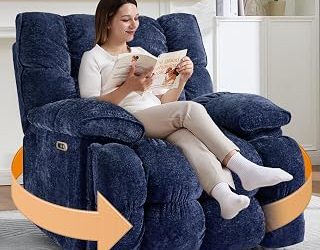
GUEAPY 55″ Chenille Reclining Loveseat
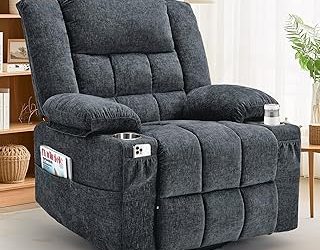
At 55 inches wide, this is the most genuinely small-space option here, and the chenille upholstery has a soft, matte hand that doesn’t feel plasticky against bare skin. The wide armrests and side storage make it a natural spot for a wind-down ritual: book on one side, water glass in the holder, no screens required.
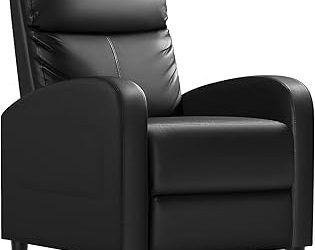
Redlife Power Loveseat Recliner with Heat & Massage
Powered adjustment is the standout feature — you can fine-tune your angle without tensing a single muscle, which matters if you’re already halfway to sleep. Use the lumbar heat function for fifteen or twenty minutes before bed rather than all evening; brief warming relaxes the muscles, while prolonged heat can keep you too warm to nod off comfortably.
68″ Velvet Wall Hugger Loveseat with Flip-Up Console
The wall-hugger track is the reason to buy this one: it reclines fully with only a few inches of rear clearance, so it works against a window wall or in a narrow RV lounge. The flip-up console keeps the middle seat usable when you have company, and the velvet reads more upscale than the price suggests.
Redlife Loveseat Recliner with Console, USB & Bluetooth
This is the most feature-dense pick, with USB charging, a power outlet, a storage drawer, and built-in speakers. Two habits I’d suggest: charge devices here rather than at your bedside, and use the speakers for low-volume pink noise or an audiobook instead of anything visually stimulating.
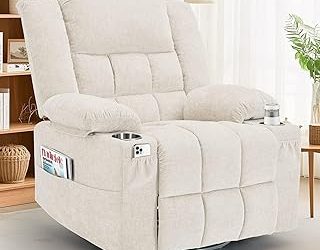
Massage Reclining Loveseat with USB & Storage, No Console
Skipping the console keeps the footprint tight while still giving you cup holders, hidden storage, and USB power in the armrests. It’s the practical choice for a studio where every inch is accounted for and a second person occasionally needs to stretch out.
Frequently Asked Questions
Is sleeping in a recliner actually bad for you?
An occasional night is fine, and some people with reflux or sleep apnea breathe more easily semi-upright. As a nightly habit, though, most recliners don’t allow the position changes healthy sleep requires, and staying still for hours raises circulation concerns. Treat it as a nap spot, not a bed replacement.
How much clearance do I really need behind the sofa?
Measure before you order. Wall huggers typically need three to five inches; standard reclining loveseats often need ten to fourteen. Confirm the manufacturer’s figure for the fully open position, not the closed one.
Do the built-in massage features help with sleep?
Gentle vibration can ease muscle tension and feels pleasant, which helps you settle. It isn’t therapeutic massage, and it won’t override caffeine, late screens, or an irregular schedule. Think of it as one small cue in a larger routine.
Will a reclining loveseat fit through a narrow apartment door?
Most in this category ship in sections that assemble without tools, specifically so they clear standard 30-inch doorways and stairwells. Check the packaging dimensions rather than the assembled ones.
Final Thoughts
If square footage is your binding constraint, the GUEAPY 55″ chenille loveseat is the easiest one to make room for. For effortless, sleep-friendly adjustment, the Redlife Power Loveseat with heat and massage is worth the upgrade, and the 68″ velvet wall hugger with flip-up console is the smartest pick for anyone placing a sofa flush against a wall or RV panel.