Key takeaways
- Sleep position drives firmness, not preference: Stomach and back sleepers genuinely benefit from a firm surface that keeps the pelvis from sinking below the ribcage. Dedicated side sleepers usually do not — a truly extra-firm bed forces the shoulder and hip to bear load they were never meant to carry, and the result is numb arms and morning stiffness.
- Coil count matters less than coil zoning: A pocketed-coil unit with reinforced support under the lumbar region does more for spinal neutrality than a higher raw coil count spread evenly. Look for language about zoned or targeted support rather than headline numbers.
- Firm foam sleeps hotter than firm springs: Dense memory foam restricts airflow by design. If you run warm, prioritize hybrids or foam beds with gel infusion, graphite, copper, or ventilated cores rather than assuming a cooling cover will compensate.
- Read the trial period, not the warranty: A ten-year warranty covers manufacturing defects you will probably never experience. A genuine 100-night or 365-night trial covers the thing that actually goes wrong — buying the wrong feel. Confirm who pays return shipping before you commit.
- Verify what’s inside: CertiPUR-US certification addresses foam emissions and content. Separately, look for explicit fiberglass-free construction, since fiberglass fire barriers can become a serious problem if a cover is ever removed.
What's inside
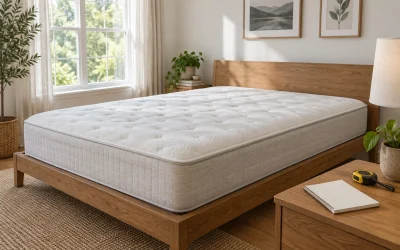
Firm mattress shopping tends to go sideways at the same point for almost everyone: the showroom floor. You lie down for ninety seconds in a coat, decide the surface feels “supportive,” and then discover three weeks later that what you actually bought was rigid rather than firm — two very different things. Warehouse clubs like Costco have made firm mattresses far more accessible than they were a decade ago, but the selection rotates by season and region, and the specs on the placard rarely tell you what your lumbar spine will be doing at 3 a.m.
As a sleep-wellness consultant, I spend a lot of time untangling that confusion for clients with back pain, stomach-sleeping habits, or partners who need very different things from the same slab of foam. This guide covers the firm and extra-firm models most worth comparing in 2026 — including the Beautyrest lines you’ll recognize from club-store floors alongside strong boxed-mattress alternatives — plus the specification details that actually predict whether a firm bed will feel good on night three hundred, not just night one.
As an Amazon Associate we earn from qualifying purchases.


🛒 Best Price Today on Amazon
Prime members get fast, free shipping on everything above, plus member-only deals. New members get a 30-day free trial — cancel anytime.
How to Choose a Firm Mattress At Costco (2026)
- Sleep position drives firmness, not preference: Stomach and back sleepers genuinely benefit from a firm surface that keeps the pelvis from sinking below the ribcage. Dedicated side sleepers usually do not — a truly extra-firm bed forces the shoulder and hip to bear load they were never meant to carry, and the result is numb arms and morning stiffness.
- Coil count matters less than coil zoning: A pocketed-coil unit with reinforced support under the lumbar region does more for spinal neutrality than a higher raw coil count spread evenly. Look for language about zoned or targeted support rather than headline numbers.
- Firm foam sleeps hotter than firm springs: Dense memory foam restricts airflow by design. If you run warm, prioritize hybrids or foam beds with gel infusion, graphite, copper, or ventilated cores rather than assuming a cooling cover will compensate.
- Read the trial period, not the warranty: A ten-year warranty covers manufacturing defects you will probably never experience. A genuine 100-night or 365-night trial covers the thing that actually goes wrong — buying the wrong feel. Confirm who pays return shipping before you commit.
- Verify what’s inside: CertiPUR-US certification addresses foam emissions and content. Separately, look for explicit fiberglass-free construction, since fiberglass fire barriers can become a serious problem if a cover is ever removed.
The Best Firm Mattress At Costco (2026)s Reviewed
BedStory 14″ King Hybrid Firm
This is the most balanced pick here for back sleepers who want firm support without the dead, unyielding feel of an all-foam build — the individually wrapped coils give you push-back at the lumbar curve while still absorbing partner movement. At fourteen inches it also suits taller sleepers and anyone who dislikes the low profile of a compressed foam bed.
Beautyrest Days End Extra Firm 13.25″
The most conventional, showroom-familiar option on the list, and a sensible choice if you already know you like Beautyrest’s extra-firm feel from a store visit. Motion separation is solid for a firm innerspring, and the 100-night trial gives you a real window to test it against your morning symptoms rather than your first impression.
Beautyrest Silver BRS900 12″ Extra Firm
At twelve inches this is the leanest profile of the group, which makes it a smart fit for adjustable bases, platform frames, or guest rooms where you want firm support without a towering mattress. Cal King availability is a genuine advantage if you’ve struggled to find extra-firm in that size.
Hotel Collection 14″ Firm Hybrid
The zoned support and hip-focused reinforcement here address the single most common complaint I hear about firm beds — pressure buildup at the hip on a surface that doesn’t yield. The 365-night trial is unusually generous and effectively removes the guesswork from the purchase.
MLILY EGOHOME 14″ Memory Foam Firm
A firm all-foam option for people who want contouring and motion isolation without the bounce of coils, with copper-gel and graphene cooling layers doing real work against foam’s usual heat retention. Fiberglass-free construction and ICA endorsement make this the pick I’d suggest for chronic back-pain sufferers who dislike springs.
Frequently Asked Questions
Is a firm mattress actually better for back pain?
Not automatically. Research generally favors medium-firm for chronic low back pain, with firm working best for people who sleep prone or carry more weight. If you wake with pain that eases within thirty minutes of getting up, your surface is likely the culprit — but “firmer” isn’t always the fix.
Do these need a box spring?
No. Every model here works on a solid platform, slatted frame with gaps under three inches, or most adjustable bases. Inadequate slat spacing is a common cause of premature sagging and can void a warranty.
How long until a boxed mattress reaches full firmness?
Expect 24 to 72 hours for full expansion, and roughly two to four weeks before your body stops registering the change as discomfort. Judge the bed at week three, not night one.
Can I soften a mattress that’s too firm?
A two- to three-inch topper will meaningfully change surface feel without compromising the underlying support core — a useful and inexpensive correction if you’re just past a return window.
Final Thoughts
For most buyers, the BedStory 14″ Hybrid delivers the best combination of firm lumbar support and temperature neutrality at a sensible price. Choose the Hotel Collection 14″ Hybrid if hip pressure is your main concern and you want the longest possible trial period, or the MLILY EGOHOME if you prefer firm foam over coils and want fiberglass-free construction with serious cooling technology built in.