Key takeaways
- Vacuum bedroom rugs twice weekly and rotate them a quarter-turn every season to even out wear and sun fading.
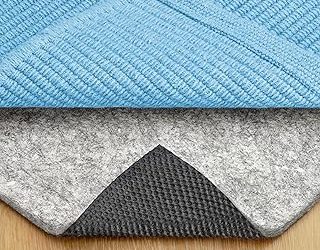
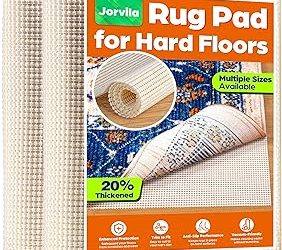
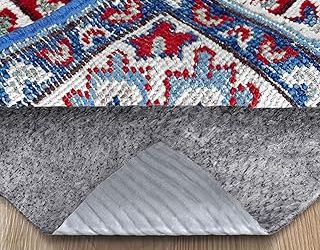
- Use a quality rug pad; it improves airflow underneath, reduces abrasion, and cuts the grit that grinds into fibers.
- Deep clean bedroom rugs in spring or early autumn when you can open windows and humidity is moderate.
- Keep a portable spot cleaner stored charged and accessible — stains addressed within minutes almost always come out completely.
What's inside
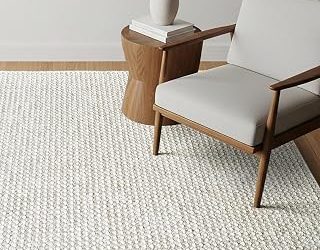
As someone who spends my professional life helping people build better sleep environments, I’ve learned that bedrooms rarely fail because of the mattress. More often it’s the air — and the single largest textile reservoir of dust, dander, and microscopic debris in most bedrooms is the area rug underfoot. A wool or polyester rug beside the bed acts like a filter that nobody ever changes, quietly collecting skin cells, pollen tracked in on socks, pet dander, and the fine grit that abrades fibers until they mat. If you wake up congested, sneeze when you sit on the floor to stretch, or notice a faint mustiness in a closed room, the rug is a reasonable first suspect.
The good news: cleaning an area rug properly is not complicated, but the sequence matters enormously, and one wrong move (too much water, the wrong chemistry, insufficient drying time) can leave you with a mildewed rug that’s worse for your air quality than the dirty one was. Below I’ll walk through how to identify what your rug is made of, the dry-soil removal step almost everyone skips, when to wet-clean versus spot-treat, how to choose between a full-size extractor and a portable spot machine, and — critically for sleep hygiene — how to dry a rug fast enough that nothing grows in it.
As an Amazon Associate we earn from qualifying purchases.




Start by Identifying the Fiber and Backing
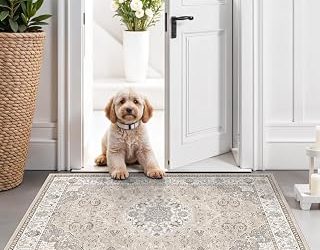
Flip a corner over and read the label. Machine-washable flatweaves — the CHAMPLANT Washable Area Rug is a good example of this category, a thin 6’x9′ vintage-print piece with a non-slip base — can often go straight into a large-capacity washer on cold, gentle, then air-dry flat. Wool needs cool water, pH-neutral cleaners, and minimal agitation; alkaline detergents strip its natural lanolin and cause felting. Polypropylene and nylon tolerate hot-water extraction well. Jute, sisal, and viscose should essentially never be saturated — viscose in particular yellows and turns brittle when wet. If there’s no label and you can’t identify the fiber, test any cleaner on an inconspicuous corner and wait an hour before committing.
Remove Dry Soil Before Anything Gets Wet
This is the step that separates a clean rug from a clean-looking rug. Up to 80% of what’s in a rug is dry particulate, and adding moisture turns that into mud that bonds to the fibers. Vacuum slowly in overlapping passes in one direction, then repeat perpendicular to open the pile. For rugs under about 8×10, take them outside, drape them over a railing, and beat the back with a broom handle — you’ll be genuinely alarmed at what falls out. Vacuum the floor underneath too, and vacuum the rug’s reverse side if the backing allows. Only once no more dust lifts should you introduce water.
Spot-Treat First, Then Decide on a Full Extraction
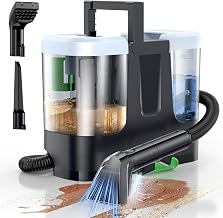
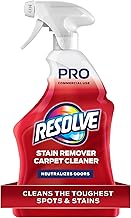
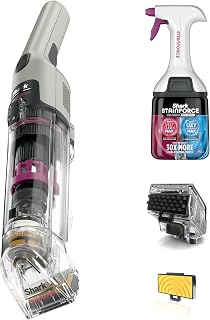
Address individual stains before any whole-rug wet clean, because extraction can set a protein or tannin stain permanently. Blot — never scrub — from the outside of the stain inward. For pet accidents, an enzymatic treatment is non-negotiable; ordinary detergent masks odor while leaving the uric acid crystals that keep drawing animals back to the same spot. Portable machines shine here: the Shark StainStriker PX221 pairs a 3.5″ stain tool and crevice tool with OXY formula and a self-clean cycle, while the cordless Shark StainForce HX095 uses a dual-activated formula and is the more convenient pick for chasing accidents across rooms, cars, and patios. The H6 spot cleaner takes a different approach, offering 18Kpa suction and separate clean and dirty tanks for larger spills.
Choosing a Full-Size Machine for Deep Cleaning
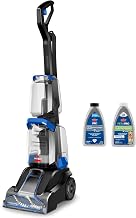
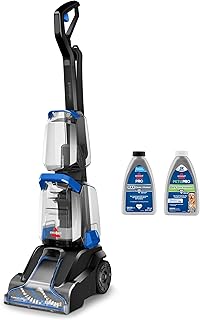
If your rug is large, low-pile, and synthetic, an upright extractor will lift embedded soil that no spot tool reaches. The BISSELL TurboClean 3952 comes with Pro Max Clean & Protect and an Oxy Urine Eliminator, which suits multi-pet households. The Hoover PowerDash Pet is the lighter option and its HeatForce drying feature genuinely shortens dry time — the most underrated spec on any carpet cleaner, and the one I care most about for bedrooms. Whichever you use, make one solution pass and two or three suction-only passes. Over-wetting is the most common mistake I see.
Dry Fast, Dry Completely
Mold needs roughly 24 to 48 hours of sustained moisture to colonize. Your goal is to be fully dry inside 12. Elevate the rug on chairs or blocks so air reaches both faces, run a box fan across (not down onto) the surface, and add a dehumidifier in humid climates. Do not put furniture or a bed frame back on damp fibers — wooden legs will bleed tannin stains, and the compressed area will stay wet longest.
Tips
- Vacuum bedroom rugs twice weekly and rotate them a quarter-turn every season to even out wear and sun fading.
- Use a quality rug pad; it improves airflow underneath, reduces abrasion, and cuts the grit that grinds into fibers.
- Deep clean bedroom rugs in spring or early autumn when you can open windows and humidity is moderate.
- Keep a portable spot cleaner stored charged and accessible — stains addressed within minutes almost always come out completely.
Frequently Asked Questions
How often should an area rug be deep cleaned?
Once every 12 to 18 months for most homes; every 6 to 9 months with pets, allergy sufferers, or heavy traffic. Bedroom rugs benefit from the more frequent schedule because you spend a third of your life breathing that air.
Can I use a carpet cleaner on a wool rug?
Cautiously, with cool water and a wool-safe neutral solution, and never on antique, hand-knotted, or silk-blend pieces. Those belong with a specialist who can wash and dry them in a controlled facility.
Will steam cleaning kill dust mites?
True steam at high temperature does, but most consumer “steam cleaners” for carpet are hot-water extractors rather than steam. Regular vacuuming and keeping bedroom humidity below 50% suppresses mite populations more reliably.
Why does my rug smell worse after cleaning?
Almost always residual moisture or detergent residue reactivating old odor compounds. Re-extract with plain water, then dry aggressively with fans and airflow on both sides.
Conclusion
Treat your area rug as part of your bedroom’s air-quality system rather than décor, and the routine becomes obvious: vacuum thoroughly and often, spot-treat immediately with the right chemistry, deep clean on a sensible annual cycle with a machine matched to your rug’s fiber, and dry it faster than anything can grow. Do those four things and you’ll protect both the rug and the quality of the air you breathe for eight hours a night.