Key takeaways
- Read the comfort layer, not just the headline: A mattress can be sold as an innerspring and still carry an inch or two of memory foam quilting. Look for descriptions using terms like tight top, polyfoam, or fiber-fill if you want to avoid that slow-sinking response entirely.
- Match profile height to your body and bed frame: Six- to eight-inch models suit lighter sleepers, guest rooms, bunks, and trundles. Anyone over roughly 200 pounds, or a couple sharing a bed, will get noticeably better long-term support from a 12-inch build with a deeper coil unit.
- Choose firmness by sleep position: Side sleepers need enough surface give to let the shoulder and hip settle, which usually means medium to medium-firm. Back and stomach sleepers do better on firm, where the pelvis stays level and the lower back isn’t forced into extension.
- Prioritize pocketed coils if you share the bed: Individually wrapped springs move somewhat independently, so a partner getting up at 5 a.m. transmits less bounce across the mattress than an older interconnected Bonnell unit would.
- Check the trial window and warranty terms: Your body needs two to three weeks to adapt to a new support surface, so a genuine sleep trial matters more than a return window measured in days. Confirm what the warranty covers, and note that most exclude sagging under a specified depth.
What's inside
If you’ve ever woken up feeling like you’ve been slowly swallowed by your bed, you already understand why shoppers go looking for coils. Memory foam has real strengths, but it also has a signature set of complaints: heat that builds through the night, a sinking sensation that makes rolling over feel like work, and that distinctive off-gassing smell in week one. Sleepers who run warm, who share a bed with a partner and change positions often, or who simply prefer a surface that pushes back tend to sleep better on a spring-based build.
The catch is that “innerspring” has become a fuzzy label. Most mattresses in a box now layer at least some polyfoam or a thin memory foam quilt over the coil unit, so the honest question isn’t zero foam so much as coil-dominant support with minimal foam above it. This guide walks through what actually matters when you’re comparing coil counts, comfort layers, and firmness ratings, then reviews the strongest picks below — including one product that’s frequently mislabeled and worth understanding before you click.
As an Amazon Associate we earn from qualifying purchases.


🛒 Best Price Today on Amazon
Prime members get fast, free shipping on everything above, plus member-only deals. New members get a 30-day free trial — cancel anytime.
How to Choose an Innerspring Mattress Without Memory Foam (2026)
- Read the comfort layer, not just the headline: A mattress can be sold as an innerspring and still carry an inch or two of memory foam quilting. Look for descriptions using terms like tight top, polyfoam, or fiber-fill if you want to avoid that slow-sinking response entirely.
- Match profile height to your body and bed frame: Six- to eight-inch models suit lighter sleepers, guest rooms, bunks, and trundles. Anyone over roughly 200 pounds, or a couple sharing a bed, will get noticeably better long-term support from a 12-inch build with a deeper coil unit.
- Choose firmness by sleep position: Side sleepers need enough surface give to let the shoulder and hip settle, which usually means medium to medium-firm. Back and stomach sleepers do better on firm, where the pelvis stays level and the lower back isn’t forced into extension.
- Prioritize pocketed coils if you share the bed: Individually wrapped springs move somewhat independently, so a partner getting up at 5 a.m. transmits less bounce across the mattress than an older interconnected Bonnell unit would.
- Check the trial window and warranty terms: Your body needs two to three weeks to adapt to a new support surface, so a genuine sleep trial matters more than a return window measured in days. Confirm what the warranty covers, and note that most exclude sagging under a specified depth.
The Best Innerspring Mattresses Without Memory Foam (2026), Reviewed
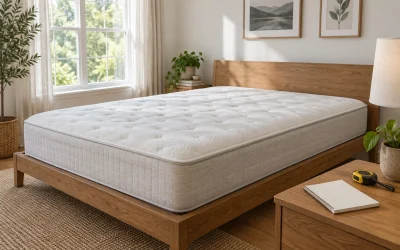
12 Inch Queen Innerspring Hybrid, Medium Firm
This is the most broadly useful pick here: a 12-inch coil core with a medium-firm feel and a breathable cover, which is the combination most often recommended for general back discomfort. It’s a sensible default for combination sleepers who want contouring at the shoulders without losing the ability to shift position freely.
Sealy Warner 12″ Firm Tight Top
The tight-top construction is the key detail — there’s no plush pillow layer to compress and cup you, so the feel stays firm and responsive over time. I’d point back and stomach sleepers here first, along with anyone who has historically found foam beds too enveloping.
Greaton 8-Inch Gentle Firm
An honest, straightforward spring mattress at a modest profile, tuned to a gentle-firm feel rather than a punishing one. It earns its place in guest rooms, kids’ rooms, and daybeds where you need real coil support without an eleven-inch stack of foam.
Avenco SleepSphere 8 Inch Full
A compact foam-and-spring hybrid with a breathable cover and CertiPUR-US certified foams, meaning the comfort layers have been tested for emissions and content. The eight-inch height keeps it manageable for smaller rooms and tighter frames while still delivering coil-based pressure relief.
Beautyrest Prime Dream Medium 12.5″ Twin
The most reassuring purchase on paper: a 100-night trial, a ten-year limited warranty, and a medium feel that suits growing kids and adult single sleepers alike. Its 12.5-inch profile gives it a more substantial, adult-mattress presence than budget twins typically manage.
Frequently Asked Questions
Isn’t the Linenspa 6 Inch a memory foam mattress?
Yes — despite appearing alongside spring options in search results, it’s a firm memory foam build, not an innerspring. It’s a capable budget mattress for bunks and trundles, but if avoiding foam is your goal, skip it and choose one of the coil models above.
Do innerspring mattresses really sleep cooler?
Generally, yes. Air moves through a coil layer far more freely than through a dense foam block, so body heat dissipates instead of pooling. The thinner the foam above the springs, the more of that airflow advantage you keep.
How long should an innerspring mattress last?
Roughly seven to ten years with proper support underneath. Coils fatigue gradually rather than suddenly, so watch for a visible dip, new morning stiffness, or the sense that you’re sleeping in a trench rather than on a surface.
Do I need a box spring?
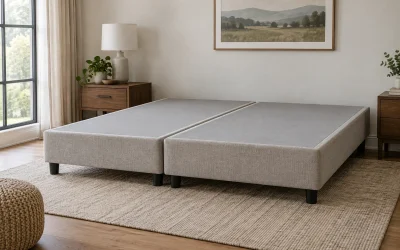
Not usually — a solid platform or slats spaced no more than about three inches apart works well and often satisfies warranty requirements. Wider slat gaps can void coverage and cause premature sagging, so measure before assembling.
Final Thoughts
For most adults, the 12 Inch Queen Innerspring Hybrid strikes the best balance of coil support, cooling, and medium-firm comfort, while the Sealy Warner 12″ Firm Tight Top is the pick for back and stomach sleepers who want a genuinely firm, foam-light surface. If you’re outfitting a twin room and want the strongest trial and warranty protection, the Beautyrest Prime Dream is the safest bet of the group.