Key takeaways
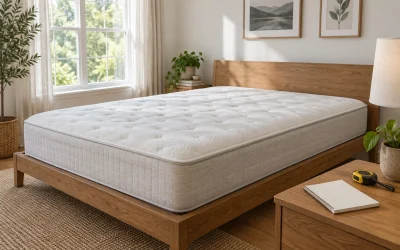
- Measure depth before anything else: A king is 76″ x 80″, but pocket depth is where purchases fail. Add your mattress height plus any topper, then choose a cover rated at least two inches deeper — an 18″ pocket on a 12″ bed stays put, while a 14″ pocket on a 15″ bed pops off nightly.
- Decide protector or pad: A thin protector is a barrier; a quilted pad adds a soft cushioning layer and slight temperature buffering. If your goal is spill defense, go thin. If you also want to take the edge off a firm surface, go quilted — and check whether it’s waterproof, because many pads aren’t.
- Judge the backing, not the top fabric: Nearly every waterproof cover uses a polyurethane (TPU) membrane. Quality TPU is thin, stretchy, and near-silent; low-grade versions feel like plastic sheeting. Reviews mentioning crinkle noise or night sweats are almost always describing a stiff membrane, not the face fabric.
- Prioritize airflow if you sleep hot: Viscose derived from bamboo and long-staple cotton both move moisture off the skin faster than polyester jersey. Pairing a breathable face fabric with a thin membrane is the only reliable way to stay waterproof without turning the bed into a heat trap.
- Confirm the wash instructions you’ll actually follow: Membranes degrade with high heat. Cold or warm wash and low-tumble drying keeps a cover waterproof for years; one hot dryer cycle can delaminate it. Allergy sufferers should aim to launder every two to three weeks, so easy care matters more than it sounds.
What's inside
A king mattress is a serious investment — often the single most expensive piece of furniture in a bedroom — and yet it spends its entire life absorbing things nobody wants to think about: perspiration (roughly a third of a liter on an average night), skin cells, spilled coffee, pet accidents, and the dust-mite populations that feed on all of the above. Most sleepers only start shopping for a cover after something has already soaked through, at which point the damage to the comfort layers is usually permanent and the warranty is usually void. The other common scenario is the opposite mistake: buying a cheap vinyl-backed protector that crinkles with every turn, traps heat like a shower curtain, and quietly wrecks sleep quality for months before anyone connects the dots.
This guide is written from a sleep-physiology perspective rather than a marketing one. Below you’ll find the king-size covers I consider genuinely worth owning in 2026, sorted by what they actually do well — waterproofing versus cushioning, cooling versus certified-organic materials — plus a short framework for matching a cover to your mattress depth, your body temperature at night, and how much laundering you’re realistically willing to do. Whether you need a barrier for a toddler in the bed, a breathable layer over a hot memory-foam surface, or a quilted pad to soften a mattress that’s firmer than expected, there’s an option here that fits.
As an Amazon Associate we earn from qualifying purchases.




🛒 Best Price Today on Amazon
Prime members get fast, free shipping on everything above, plus member-only deals. New members get a 30-day free trial — cancel anytime.
How to Choose a King Size Mattress Cover (2026)
- Measure depth before anything else: A king is 76″ x 80″, but pocket depth is where purchases fail. Add your mattress height plus any topper, then choose a cover rated at least two inches deeper — an 18″ pocket on a 12″ bed stays put, while a 14″ pocket on a 15″ bed pops off nightly.
- Decide protector or pad: A thin protector is a barrier; a quilted pad adds a soft cushioning layer and slight temperature buffering. If your goal is spill defense, go thin. If you also want to take the edge off a firm surface, go quilted — and check whether it’s waterproof, because many pads aren’t.
- Judge the backing, not the top fabric: Nearly every waterproof cover uses a polyurethane (TPU) membrane. Quality TPU is thin, stretchy, and near-silent; low-grade versions feel like plastic sheeting. Reviews mentioning crinkle noise or night sweats are almost always describing a stiff membrane, not the face fabric.
- Prioritize airflow if you sleep hot: Viscose derived from bamboo and long-staple cotton both move moisture off the skin faster than polyester jersey. Pairing a breathable face fabric with a thin membrane is the only reliable way to stay waterproof without turning the bed into a heat trap.
- Confirm the wash instructions you’ll actually follow: Membranes degrade with high heat. Cold or warm wash and low-tumble drying keeps a cover waterproof for years; one hot dryer cycle can delaminate it. Allergy sufferers should aim to launder every two to three weeks, so easy care matters more than it sounds.
The Best King Size Mattress Covers of 2026, Reviewed
PlushDeluxe Bamboo Waterproof Mattress Protector
This is my default recommendation for warm sleepers who still need full waterproofing: the viscose-from-bamboo face fabric wicks moisture quickly and feels closer to a soft sheet than a protector. The 18″ pocket handles tall pillow-top and hybrid kings that defeat most competitors.
Utopia Bedding Quilted Fitted Mattress Pad
A well-executed quilted pad that adds a genuine layer of plush cushioning over a too-firm king without noticeably changing its support. Treat it as comfort and dust protection rather than liquid defense, and it earns its keep at a very fair price.
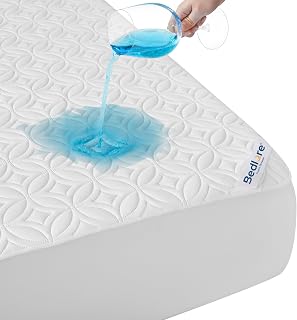
BEDLORE Waterproof Mattress Protector
The value pick for households dealing with kids, pets, or recovery from surgery, thanks to a wide 6″–18″ pocket range that fits almost any king. The membrane is quiet and effective; the face fabric is functional rather than luxurious, which is a reasonable trade at this price.
Utopia Bedding Waterproof Mattress Protector (200 GSM)
A fitted-sheet-style protector that installs in seconds and disappears under bedding — ideal for guest rooms, rentals, and anyone who wants protection without added bulk. At 200 GSM it’s noticeably more breathable than heavier laminated options.
100% Cotton Organic Quilted Mattress Protector (GOTS)
The choice for chemically sensitive sleepers and anyone furnishing a nursery-adjacent bedroom: GOTS-certified organic cotton at 300 GSM, quilted for durability and quiet comfort. Expect excellent breathability and a slower dry time than synthetics.
Frequently Asked Questions
Will a waterproof cover make my bed sleep hotter?
A well-made one adds very little heat. What causes overheating is a thick membrane paired with a non-breathable polyester surface. Choosing a viscose-from-bamboo or cotton face fabric with a thin TPU layer largely eliminates the problem.
How often should I wash it?
Every three to four weeks for most sleepers, and every two weeks if you have allergies, asthma, or a pet in the bed. Wash cold or warm and tumble dry low — high heat is the fastest way to ruin a waterproof backing.
Does a mattress cover change how my mattress feels?
A thin protector shouldn’t. A quilted pad adds a modest softening layer at the surface, which many people prefer on firmer beds but which won’t fix a mattress that’s fundamentally wrong for your body.
Can I use a protector along with a mattress topper?
Yes. Place the protector directly over the mattress if your priority is protecting the mattress, or over the topper if the topper is the expensive component. Either way, add both heights together before checking pocket depth.
Final Thoughts
For most king-size beds, the PlushDeluxe bamboo protector is the best all-around choice — quiet, breathable, genuinely waterproof, and deep enough for tall hybrids. If your mattress feels harder than you’d like, the Utopia Bedding quilted pad delivers real added comfort for very little money, and if certified natural materials are non-negotiable, the GOTS-certified organic cotton protector is the one I’d put on my own bed.