Key takeaways
- Measure to the rail, not the frame: Aim for a mattress that finishes 2–4 inches below the top of the side rails. Go taller and the rails stop containing the mattress; go much shorter and the daybed feels like a pit to sit in. For trundles, measure the drawer clearance first — five to six inches is often the ceiling.
- Prioritize edge support: Daybeds are sat on far more than beds are, and that load lands on the front perimeter. Pocketed-coil hybrids and higher-density foam cores hold their shape at the edge; cheap low-density foam develops a permanent dip along the seating line within a year.
- Choose medium-firm, then soften the top: Medium-firm (roughly 6–7 on the standard scale) suits the widest range of sleepers and keeps daytime seating dignified. If it feels austere, add a washable two-inch topper rather than buying a plush mattress you can’t firm up later.
- Look for real heat management: Slat decks breathe better than solid platforms, but foam still traps warmth. Gel infusions, bamboo charcoal, and open-cell or dual-layer constructions all help; a breathable, removable cover helps more than marketing copy about “cooling technology.”
- Verify certifications and fiberglass-free construction: CertiPUR-US covers foam emissions and content, and fiberglass-free means no shed irritants if a cover ever tears. On a surface shared by kids and overnight guests, treat both as baseline requirements, not upgrades.
What's inside
A daybed asks one piece of furniture to do two jobs, and the mattress is where that compromise usually shows. During the day it needs to sit low enough that the frame’s back and side rails still read as a sofa, and firm enough that guests aren’t folded into a sagging trough when they sit on the edge. At night it needs to support a sleeper’s shoulders and hips well enough that they wake up without a stiff lower back. Buy for one of those roles and you’ll feel the loss in the other — a plush 12-inch slab swallows the frame and sits like a beanbag, while a rigid 4-inch pad is fine for lounging and miserable at 3 a.m.
There’s also a structural constraint people discover late: most daybeds use a slat deck or a link-spring platform rated for a specific load, and many trundle drawers only clear a mattress of about six inches or less. This guide covers what actually matters for daybeds specifically — profile height versus rail height, edge stability for daytime seating, foam density and heat behavior, and safety certifications worth checking on a mattress that kids and guests will use. Below are the models I’d shortlist for 2026, from slim trundle-friendly foam to taller hybrids for daybeds used as a primary bed.
As an Amazon Associate we earn from qualifying purchases.


🛒 Best Price Today on Amazon
Prime members get fast, free shipping on everything above, plus member-only deals. New members get a 30-day free trial — cancel anytime.
How to Choose a Daybed Mattress (2026)
- Measure to the rail, not the frame: Aim for a mattress that finishes 2–4 inches below the top of the side rails. Go taller and the rails stop containing the mattress; go much shorter and the daybed feels like a pit to sit in. For trundles, measure the drawer clearance first — five to six inches is often the ceiling.
- Prioritize edge support: Daybeds are sat on far more than beds are, and that load lands on the front perimeter. Pocketed-coil hybrids and higher-density foam cores hold their shape at the edge; cheap low-density foam develops a permanent dip along the seating line within a year.
- Choose medium-firm, then soften the top: Medium-firm (roughly 6–7 on the standard scale) suits the widest range of sleepers and keeps daytime seating dignified. If it feels austere, add a washable two-inch topper rather than buying a plush mattress you can’t firm up later.
- Look for real heat management: Slat decks breathe better than solid platforms, but foam still traps warmth. Gel infusions, bamboo charcoal, and open-cell or dual-layer constructions all help; a breathable, removable cover helps more than marketing copy about “cooling technology.”
- Verify certifications and fiberglass-free construction: CertiPUR-US covers foam emissions and content, and fiberglass-free means no shed irritants if a cover ever tears. On a surface shared by kids and overnight guests, treat both as baseline requirements, not upgrades.
The Best Daybed Mattresses (2026), Reviewed
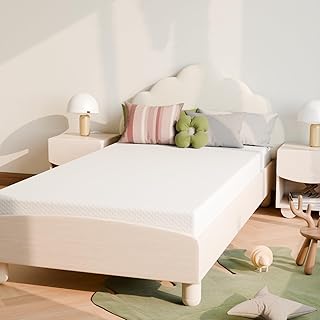
Twin 5″ Cooling Gel Memory Foam, Kid-Safe
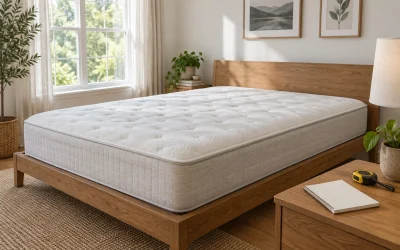
At five inches, this is the profile most daybed and trundle frames were designed around, and the medium-firm gel foam gives enough pushback that it doesn’t bottom out under an adult. The fiberglass-free build and kid-safety certification make it an easy specify for a child’s room or a guest daybed in a shared space.
Twin 5″ Medium-Firm Gel Foam for Daybeds & Guests
A close alternative in the same slim category, tuned slightly more toward all-ages use — firm enough for adult guests, forgiving enough for a child who sleeps on it nightly. CertiPUR-US foam and a compressed-shipping format mean it’s simple to keep a spare on hand for a trundle.
Lucid 8″ Gel Memory Foam with Bamboo Charcoal
Eight inches is the sweet spot for a daybed that doubles as a real bed, and the bamboo charcoal layer meaningfully reduces the stale, warm feel that thin foam mattresses develop under a comforter. Confirm your rail height before ordering, and note the queen listing if you’re outfitting an oversized daybed frame.
Ottomanson Twin 9″ Hybrid
The individually pocketed coils are what earn this a spot — they resist the front-edge collapse that ruins foam-only mattresses on heavily used daybeds. It’s the pick if your daybed is functionally a sofa most of the week and a bed on weekends.
Profus Twin 12″ Hybrid with Pocketed Coils
Twelve inches is too tall for most traditional daybed rails, but it’s the right answer for a low-profile or backless platform daybed used as someone’s primary mattress. Motion isolation and genuine pressure relief put it closest to a conventional bedroom mattress in this group.
Frequently Asked Questions
What thickness should a daybed mattress be?
Five to eight inches covers most frames. Slim five- to six-inch models suit trundles and traditional rails; eight inches works when the daybed is used for nightly sleep and the rails are tall enough to contain it.
Can I use a regular twin mattress on a daybed?
Yes — daybeds take standard twin sizing. The only variables are height and weight: check that the profile doesn’t overwhelm the rails and that your slats or link spring are rated for a heavier hybrid.
Do daybeds need a box spring or foundation?
Almost never. Most have a built-in slat deck or spring platform. Keep slat gaps under about three inches so foam doesn’t sag between them; add a bunkie board if the gaps are wider.
Will memory foam sleep too hot on a daybed?
It can, especially against a wall or in a corner nook with little airflow. Choose a gel-infused or dual-construction model, keep the slat deck unobstructed, and skip waterproof zip covers unless you need them.
Final Thoughts
For most buyers, the twin 5-inch cooling gel foam options are the safest fit — they respect the frame’s proportions, clear trundle drawers, and carry the safety certifications that matter in a kids’ or guest room. If your daybed carries real daily seating duty, step up to the Ottomanson 9-inch hybrid for its edge stability; if it’s someone’s everyday bed on a low platform frame, the Profus 12-inch hybrid delivers the closest thing to a proper bedroom mattress.