Key takeaways
- Odor removal vs. odor masking: Look for enzymatic or surfactant-driven formulas that lift the source. Heavy perfume near the top of an ingredient list usually signals cover-up chemistry, which is the last thing you want in a space you breathe in with the windows up.
- Residue behavior: Cheap shampoos leave a tacky film that re-attracts dirt and traps dust against fibers. Low-residue or rinse-free formulas keep carpet from turning into a permanent dust reservoir.
- Extraction capability: Sprays plus agitation handle surface stains; a portable extractor with heat and suction is the only way to pull contaminants out of foam padding, where most deep odors actually live.
- Drying speed and ventilation: Any moisture you leave behind for more than a day risks mold in an enclosed cabin. Choose products you can apply in controlled amounts, and plan your cleaning around warm, dry, ventilated conditions.
- Dilution and coverage: Concentrates in gallon format cost far less per use and let you mix light for maintenance or strong for damage control — worth it if you clean seasonally or run more than one vehicle.
What's inside
Most people think of their car as transportation. As someone who spends their working life studying what wrecks human sleep, I’ve come to see it as something else: a small, sealed room you breathe in for hours every week. Spilled milk under a child’s seat, a gym bag left in July heat, coffee soaked into the driver’s mat — these don’t evaporate. They become a low-grade cocktail of volatile compounds and microbial growth that your nose learns to ignore and your nervous system does not. Drivers routinely tell me they arrive home from a commute feeling wired, headachy, and vaguely unwell, then lie awake wondering why. Cabin air quality is one of the most overlooked variables in that equation.
The fix is unglamorous but genuinely effective: pull the organic material out of your carpet and upholstery instead of masking it with fragrance, which simply layers more airborne chemistry onto an already saturated space. This guide covers the auto carpet cleaners I’d actually recommend for that job in 2026 — what separates a real extractor from a scented placebo, which formulas rinse clean without leaving sticky residue, and how to dry an interior fast enough that you solve an odor problem rather than creating a mildew one.
As an Amazon Associate we earn from qualifying purchases.


How to Choose a Carpet Cleaner For Auto (2026)
- Odor removal vs. odor masking: Look for enzymatic or surfactant-driven formulas that lift the source. Heavy perfume near the top of an ingredient list usually signals cover-up chemistry, which is the last thing you want in a space you breathe in with the windows up.
- Residue behavior: Cheap shampoos leave a tacky film that re-attracts dirt and traps dust against fibers. Low-residue or rinse-free formulas keep carpet from turning into a permanent dust reservoir.
- Extraction capability: Sprays plus agitation handle surface stains; a portable extractor with heat and suction is the only way to pull contaminants out of foam padding, where most deep odors actually live.
- Drying speed and ventilation: Any moisture you leave behind for more than a day risks mold in an enclosed cabin. Choose products you can apply in controlled amounts, and plan your cleaning around warm, dry, ventilated conditions.
- Dilution and coverage: Concentrates in gallon format cost far less per use and let you mix light for maintenance or strong for damage control — worth it if you clean seasonally or run more than one vehicle.
The Best Carpet Cleaner For Auto (2026)s Reviewed
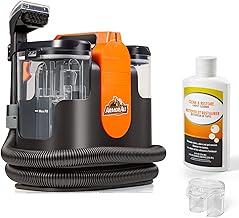
Armor All Upholstery & Carpet Spot Cleaner
The sensible glovebox option: fast on fresh spills, widely available, and forgiving if you’re new to interior detailing. It won’t rescue a years-old odor problem, but catching a spill before it soaks into padding is the single highest-value thing you can do for cabin air.
Adam’s Polishes Carpet & Upholstery Cleaner
A well-balanced foaming formula that rinses cleaner than most consumer sprays, so fabric doesn’t feel crunchy or stay grabby afterward. It’s my default recommendation for cloth seats and floor mats in a daily driver.
Chemical Guys Lightning Fast Stain Extractor
Genuinely strong on the messes that cause lingering smells — coffee, soda, wine, and pet accidents — using a straightforward spray, agitate, and blot workflow. The blotting step matters more than people expect; that’s where the contaminant physically leaves the vehicle.
3D Upholstery & Carpet Shampoo (1 Gallon)
A high-foam shampoo with real odor-eliminating capability, sold in a gallon so you’re not rationing product mid-job. The dense foam is the advantage here: it does its work at the surface rather than flooding foam padding you’ll struggle to dry.
P&S Carpet Bomber
The professional’s choice — a citrus-based, highly dilutable concentrate that dismantles grease and ground-in grime, and it’s rugged enough for engine bays and wheel wells too. Mix it conservatively; at full strength it’s far more cleaner than most interiors need.
Frequently Asked Questions
Can a dirty car interior really affect my sleep?
Indirectly, yes. Prolonged exposure to VOCs and mold spores in a poorly ventilated cabin is associated with headaches, airway irritation, and fatigue, and irritated airways make for fragmented, unrefreshing sleep later that night.
How long should I let the interior dry?
Aim for fully dry within 12 to 24 hours. Leave windows cracked in a secure, dry space, run a fan if you can, and avoid deep cleaning on humid days — trapped moisture creates a worse problem than the stain did.
Do I need a machine, or is a spray enough?
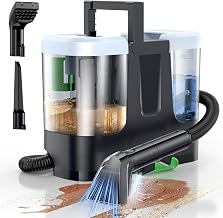
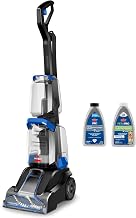
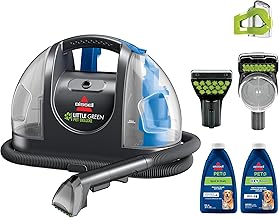
Sprays are fine for maintenance and surface stains. If odors return after cleaning, the contamination is in the padding and you need extraction — that’s where a portable unit like the BISSELL Little Green Pet Deluxe earns its keep.
How often should I clean auto carpet?
Spot-treat immediately, vacuum every few weeks, and do a full clean twice a year — ideally spring and early autumn, when temperatures support fast drying.
Final Thoughts
For most drivers, Adam’s Polishes Carpet & Upholstery Cleaner covers routine work with minimal residue, while the Chemical Guys Lightning Fast Stain Extractor handles the organic spills most likely to become chronic odors. If deep smells keep coming back, step up to the BISSELL Little Green Pet Deluxe and remove the problem instead of living with it — your commute, and your sleep, will feel different.