Key takeaways
- Seat depth over overall length: Anything under 21 inches of usable depth forces you to perch. For stretching out or napping, look for 22–24 inches, which lets the lumbar spine settle back instead of bracing forward.
- Cushion internals, not cushion feel: Pocket springs or a spring-plus-foam hybrid recover their shape night after night; single-density foam compresses into a permanent dip within a year. A 7-inch-plus cushion with springs is the value sweet spot.
- Breathability of the fabric: Chenille and linen blends move air and stay near skin temperature, which matters if you nap or run warm. Velvet looks richer but traps heat; teddy and boucle textures fall somewhere between.
- Frame material and joinery: Solid wood or a hardwood-plywood frame with corner blocks will outlive particleboard by years. Tool-free assembly is a convenience win, but confirm the internal structure isn’t cardboard-reinforced.
- Maintenance realism: Removable, machine-washable covers are the difference between a sofa you keep and one you replace. If covers are fixed, prioritize performance fabrics you can spot-clean without watermarking.
What's inside
Most people shop for a sofa the way they shop for a coffee table — measuring the wall, matching the rug, checking the price. But if you spend any time studying rest and recovery, you learn quickly that the couch is the second most important sleep surface in the home. It’s where the nervous system downshifts in the evening, where Sunday naps happen, where a guest sleeps when the spare room is full, and where a partner retreats during a bad cold or a rough night. A sofa that sags in the middle, runs hot against the skin, or forces the neck into an awkward angle quietly erodes the wind-down window that makes falling asleep easy. The frustration isn’t that good sofas don’t exist — it’s that listings rarely tell you anything useful about seat depth, cushion resilience, or whether the fabric breathes.
This guide approaches the sofa deal hunt from a rest-first perspective. Below you’ll find a curated set of well-priced sectionals, loveseats, and three-seaters that hold up to real lounging, plus the specifications that actually predict comfort six months in. I’ve weighted deep seats, supportive spring construction, and breathable upholstery over trend-driven silhouettes, and flagged which models suit small apartments versus full family rooms. The goal is a couch you can genuinely relax on — not just sit upright in politely.
As an Amazon Associate we earn from qualifying purchases.


How to Choose a Deal Sofa (2026)
- Seat depth over overall length: Anything under 21 inches of usable depth forces you to perch. For stretching out or napping, look for 22–24 inches, which lets the lumbar spine settle back instead of bracing forward.
- Cushion internals, not cushion feel: Pocket springs or a spring-plus-foam hybrid recover their shape night after night; single-density foam compresses into a permanent dip within a year. A 7-inch-plus cushion with springs is the value sweet spot.
- Breathability of the fabric: Chenille and linen blends move air and stay near skin temperature, which matters if you nap or run warm. Velvet looks richer but traps heat; teddy and boucle textures fall somewhere between.
- Frame material and joinery: Solid wood or a hardwood-plywood frame with corner blocks will outlive particleboard by years. Tool-free assembly is a convenience win, but confirm the internal structure isn’t cardboard-reinforced.
- Maintenance realism: Removable, machine-washable covers are the difference between a sofa you keep and one you replace. If covers are fixed, prioritize performance fabrics you can spot-clean without watermarking.
The Best Deal Sofas (2026) Reviewed
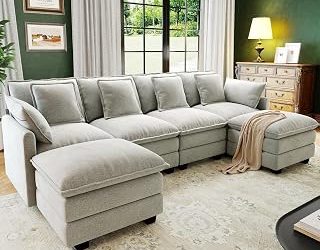
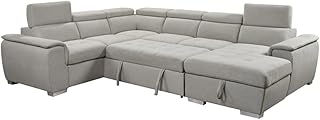
112″ U-Shaped Chenille Sectional with Double Chaise
The double-chaise layout is the closest thing to a daybed you can buy without calling it a bed — two people can fully recline without negotiating legroom, which makes it a genuinely viable option for evening wind-down or overnight guests. The warm white chenille breathes well and diffuses light softly, though households with pets or toddlers should budget for a washable throw over the seating deck.
Welzona 83″ Velvet L-Shaped Sofa with Ottoman
A smart footprint for apartments: the movable ottoman lets you convert from an L-shape to a straight sofa plus separate legrest, so you can reconfigure for lounging without buying a larger frame. Velvet insulates more than chenille, making this the better pick for cool rooms and the weaker one if you tend to overheat.
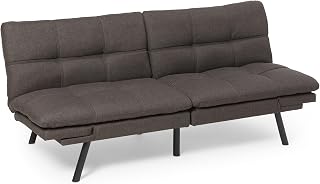
Welzona 83″ Teddy Loveseat
The 7.5-inch spring seat cushion is the headline here — that’s substantially more support than the thin foam pads typical at this price, and it holds its loft under repeated use. Tool-free setup and an all-wood frame make it a strong first-apartment or bedroom-reading-nook sofa, with the caveat that teddy fabric sheds slightly during the first few weeks.
DOPEDIO 71.25″ Chenille Loveseat
This is the most maintenance-friendly option in the roundup: removable washable covers plus pocket-spring cushions on a solid wood frame mean it can absorb spills, shedding, and sick days without permanent damage. At just over 71 inches it’s compact enough for a studio, so treat it as seating for two rather than a nap platform.
Korser 89″ Deep-Seat 3-Seater
The deep seats deliver on their promise — you can actually recline against the backrest with your feet up rather than sitting at attention, which is exactly what a pre-bed wind-down spot needs. Mid-century lines and grey chenille keep it visually light despite the generous proportions, making it my pick for a primary living-room sofa on a modest budget.
Frequently Asked Questions
Is it bad for my sleep to nap on the couch?
Not inherently. Short naps on a supportive surface are fine; the problem is falling asleep for hours on a sagging cushion in a lit room, which fragments sleep and stiffens the neck. A firm, deep-seated sofa makes accidental couch sleep far less costly.
Which fabric stays coolest?
Linen blends first, then chenille, then teddy, with velvet warmest. If you nap regularly or live somewhere humid, favor the first two and skip heavy pile.
How long should a budget sofa last?
With a solid wood frame and spring cushions, five to eight years of daily use is realistic. Particleboard frames and plain foam typically show visible sagging in 12–24 months.
Can a sectional work in a small apartment?
Yes, if you float it away from walls and measure your doorway path first. An 83-inch L-shape with a movable ottoman is usually a safer bet than a fixed 112-inch U-shape in under 400 square feet.
Final Thoughts
For a primary living room where genuine lounging matters, the Korser 89″ deep-seat three-seater offers the best comfort-per-dollar, while the 112″ U-shaped chenille sectional is the one to choose if you want two people to stretch out fully. In tighter spaces, the DOPEDIO 71.25″ chenille loveseat wins on washability and spring support — the two features most likely to still matter a year from now.