Key takeaways
- Motor count sets the recline ceiling: One motor moves seat and footrest together, topping out near 140° — fine for napping. Two motors free the footrest; three add a powered headrest and true lay-flat, which is what you need if the chair is replacing a bed rather than supplementing one.
- Measure the person before the chair: Seat width, depth and floor-to-seat height matter more than any feature list. Feet should sit flat with knees near 90°, with roughly two fingers of clearance behind the knee. Big-and-tall frames exist for a reason, and an oversized seat supports no better than a cramped one.
- Judge the lift by its final inches: A well-tuned mechanism rises slowly and stops with the user’s weight balanced over their own feet, never pitching them forward. That last stretch of travel is where falls happen.
- Use heat and massage as wind-down tools: Lumbar warmth and low-intensity vibration coax the nervous system toward its parasympathetic state, which is genuinely useful in the half hour before lights out. Insist on auto shut-off — nobody should sleep through a heating element.
- Plan for outages and night reach: Confirm battery backup so a power cut can’t strand someone reclined, then check that USB/Type-C ports, cup holders and side pockets fall on the dominant-hand side.
What's inside
Ask a geriatric sleep specialist where their patients actually sleep and the answer is often “the living room.” Reflux that worsens lying flat, breathlessness that eases when the chest is raised, arthritic hips that resent a soft mattress, ankles that want elevating — all of it pushes older adults out of bed and into a chair. Most chairs, though, were engineered for a two-hour film rather than a seven-hour sleep cycle, and the hardest part of the night is often standing up at the end of it.
This guide treats lift recliners as sleep equipment first and furniture second. Below are the models worth shortlisting in 2026, followed by the criteria that separate a chair you doze in from one you can genuinely rest in: recline geometry, motor count, transfer safety, pressure relief, and the small nighttime details that decide whether someone stays settled or is up three times before dawn.
As an Amazon Associate we earn from qualifying purchases.


How to Choose a Recliner For Elderly (2026)
- Motor count sets the recline ceiling: One motor moves seat and footrest together, topping out near 140° — fine for napping. Two motors free the footrest; three add a powered headrest and true lay-flat, which is what you need if the chair is replacing a bed rather than supplementing one.
- Measure the person before the chair: Seat width, depth and floor-to-seat height matter more than any feature list. Feet should sit flat with knees near 90°, with roughly two fingers of clearance behind the knee. Big-and-tall frames exist for a reason, and an oversized seat supports no better than a cramped one.
- Judge the lift by its final inches: A well-tuned mechanism rises slowly and stops with the user’s weight balanced over their own feet, never pitching them forward. That last stretch of travel is where falls happen.
- Use heat and massage as wind-down tools: Lumbar warmth and low-intensity vibration coax the nervous system toward its parasympathetic state, which is genuinely useful in the half hour before lights out. Insist on auto shut-off — nobody should sleep through a heating element.
- Plan for outages and night reach: Confirm battery backup so a power cut can’t strand someone reclined, then check that USB/Type-C ports, cup holders and side pockets fall on the dominant-hand side.
The Best Recliners For Elderly (2026) Reviewed
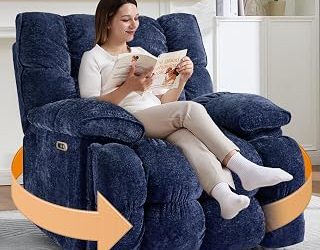
MCombo Oversized Dual Motor Lift Recliner (R7891)
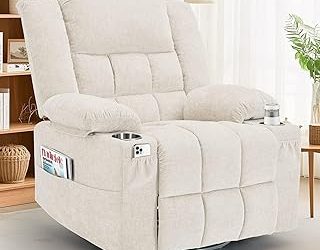
The strongest option for larger frames or restless sleepers who need room to shift, since the wide seat and independent footrest allow a near-flat position without squeezing the shoulders. Heat, massage and twin cup holders make it a credible all-night station rather than somewhere you nod off by accident.
MCombo 3 Motor Lay-Flat Lift Recliner (R7635)
My pick when the recliner is the primary bed. Infinite positioning plus a powered headrest lets you raise the torso for reflux or breathing while keeping the neck neutral — the single biggest reason chair sleepers wake with a stiff neck and a headache.
Triple Motor Zero Gravity Lift Recliner (Fabric, Grey)
Zero-gravity positioning lifts the knees above the heart, unloading the lumbar spine and helping with evening swelling in the lower legs. The woven upholstery also runs cooler than leather alternatives, which matters for anyone whose sleep fragments when they overheat.
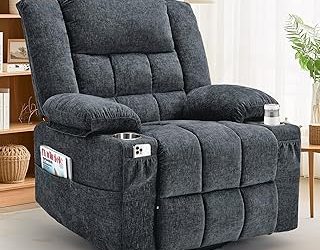
MCombo Power Lift Recliner with Heat & Massage (7040)
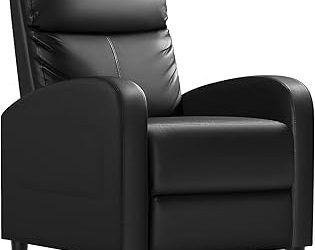
A three-position workhorse for medium builds who want warmth and vibration without a lay-flat footprint. Wipe-clean faux leather, side pockets and USB charging make it practical for a bedroom pulling double duty as a recovery room.
MCombo Fabric Power Lift Recliner (7287)
The sensible entry point: a smooth assisted stand, 140° recline and an extended footrest, without motors and gadgets some users will never touch. FSC-certified materials and straightforward assembly round out the value.
Frequently Asked Questions
Is sleeping in a recliner every night healthy?
For many people managing reflux, heart failure or COPD, an inclined sleep surface is recommended rather than merely tolerated. The real concerns are circulatory: keep the footrest raised so legs never dangle, encourage position changes overnight, and speak to a clinician if there is any history of blood clots.
Do I need three motors, or will two do?
Two motors handle reading, napping and post-surgical recovery comfortably. Step up to three if the chair is used for full nights, if a precise torso angle helps with breathing, or if neck pain calls for independent headrest control.
How much clearance is needed behind the chair?
Lay-flat and infinite-position models travel a long way back, so allow roughly 12 to 20 inches from the wall depending on the model, and keep a lit, uncluttered path on the exit side for bathroom trips.
Fabric or faux leather?
Faux leather, as on the 7040 models, wipes clean in seconds — decisive if spills or incontinence are a factor. Fabric, as on the 7287 and the grey zero-gravity chair, breathes better and reduces clammy overheating. Pick the one that solves your actual problem.
Final Thoughts
If the recliner is standing in for a bed, the MCombo R7635 lay-flat is the one to beat, since infinite positioning and a powered headrest address exactly what ruins chair sleep. Larger sleepers should size up to the oversized R7891, while anyone who simply needs a safe, dignified stand-up and a comfortable evening recline will find the MCombo 7287 to be plenty of chair.