Key takeaways
- Match motor count to how it will be used: A single-motor chair moves the back and footrest together, which is fine for short naps. If the chair will be slept in regularly, choose dual or triple motors so you can raise the legs above heart level while keeping the torso elevated — the position that helps most with reflux and lower-limb swelling.
- Fit the body before the room: Seat height should let the heels rest flat on the floor with knees at roughly ninety degrees. Seat depth matters even more: two or three fingers should slide behind the knee. A chair that is too deep pushes the pelvis into a slouch and closes the airway during sleep.
- Test the lift arc, not just the lift: Good standing assist tilts forward gradually and stops short of pitching the user onto their toes. A slow, smooth arc gives arthritic knees time to load and reduces the head-rush of postural hypotension, which is common in older adults on blood pressure medication.
- Prioritise breathable upholstery for overnight use: Faux leather wipes clean easily and suits anyone managing incontinence or spills. Woven fabric, however, vents body heat far better across a full night and reduces the clammy waking that fragments sleep. Certifications such as FSC and OEKO-TEX indicate responsibly sourced timber and low-residue textiles.
- Check the small details that prevent night-time trips: USB and Type-C ports keep a phone or hearing aid charger within reach, cup holders keep water accessible without standing, and side pockets hold glasses and remotes. Confirm the chair includes a battery backup so it can be lowered during a power cut.
What's inside
Ask an occupational therapist where their older clients actually sleep, and the bedroom is often not the answer. When hips ache, reflux flares at two in the morning, or fluid pools in the ankles by evening, the living room chair quietly becomes the primary sleep surface. The problem is that most recliners are designed for two hours of television, not eight hours of rest — and fewer still are engineered to return a stiff, arthritic body to standing without a struggle, a grab bar, or a second person.
This guide treats a lift recliner as sleep equipment first and furniture second. Below, I break down the specifications that genuinely affect overnight comfort and safe transfers — motor configuration, recline angle, seat geometry, and fabric breathability — then review five MCombo lift chairs that handle those fundamentals well for older adults in 2026.
As an Amazon Associate we earn from qualifying purchases.


How to Choose a Recliner for Older People (2026)
- Match motor count to how it will be used: A single-motor chair moves the back and footrest together, which is fine for short naps. If the chair will be slept in regularly, choose dual or triple motors so you can raise the legs above heart level while keeping the torso elevated — the position that helps most with reflux and lower-limb swelling.
- Fit the body before the room: Seat height should let the heels rest flat on the floor with knees at roughly ninety degrees. Seat depth matters even more: two or three fingers should slide behind the knee. A chair that is too deep pushes the pelvis into a slouch and closes the airway during sleep.
- Test the lift arc, not just the lift: Good standing assist tilts forward gradually and stops short of pitching the user onto their toes. A slow, smooth arc gives arthritic knees time to load and reduces the head-rush of postural hypotension, which is common in older adults on blood pressure medication.
- Prioritise breathable upholstery for overnight use: Faux leather wipes clean easily and suits anyone managing incontinence or spills. Woven fabric, however, vents body heat far better across a full night and reduces the clammy waking that fragments sleep. Certifications such as FSC and OEKO-TEX indicate responsibly sourced timber and low-residue textiles.
- Check the small details that prevent night-time trips: USB and Type-C ports keep a phone or hearing aid charger within reach, cup holders keep water accessible without standing, and side pockets hold glasses and remotes. Confirm the chair includes a battery backup so it can be lowered during a power cut.
The Best Recliners for Older People (2026) Reviewed
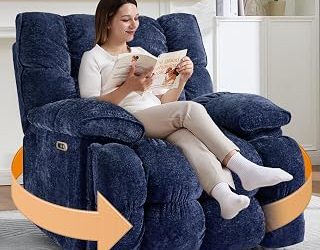
MCombo Fabric Power Lift Recliner 7287
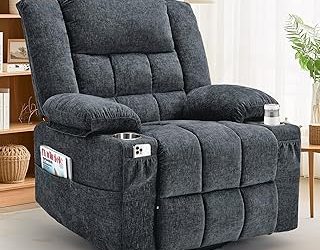
The 140-degree recline and 4.7-inch footrest extension make this the most sensible starting point for taller users who nap in the chair rather than sleep in it overnight. The woven fabric breathes noticeably better than vinyl alternatives, and FSC-certified framing plus straightforward assembly make it an easy recommendation for a first lift chair.
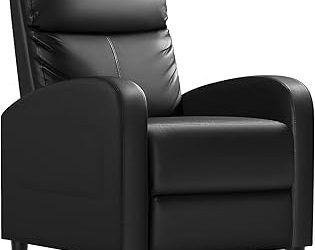
MCombo Heat and Massage Lift Recliner 7040 (Dark Brown)
Lumbar heat is genuinely useful before bed — warming the low back reduces muscle guarding and helps people settle faster. The dark brown faux leather wipes down in seconds, which matters for caregivers, and the OEKO-TEX certification is reassuring for anyone with sensitive skin.
MCombo Power Lift Recliner 7040 (Light Brown)
Mechanically the same well-proven platform in a lighter finish that suits brighter rooms. Its three-position action covers upright sitting, TV recline, and a near-full lounge, making it a practical all-day chair for someone who still sleeps in bed.
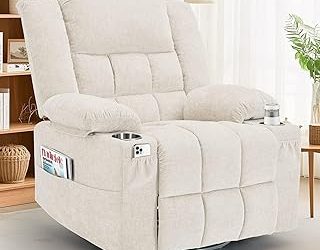
MCombo Oversized Dual-Motor Lift Recliner R7891
The large-wide seat and dual motors let heavier or broader users find a true lay-flat position while independently adjusting the legs — the single most valuable feature for managing evening ankle swelling. Heat and massage are useful extras, but the roomy footprint and stable lift are the real draw.
MCombo 3-Motor Lay-Flat Lift Recliner R7635
This is the model I would specify for someone sleeping in the chair most nights: three motors deliver infinite positioning, and the power headrest lets you fine-tune neck angle to keep the airway open. Dual heating zones and a generous footrest extension round out the most sleep-capable chair in the lineup.
Frequently Asked Questions
Is it safe for an older adult to sleep in a recliner every night?
For many people with reflux, heart failure, or breathing difficulties, a semi-upright position is more comfortable and sometimes clinically preferable. The risks are pressure injury and reduced circulation, so change positions across the night, keep the legs elevated, and mention the arrangement to a physician or physiotherapist.
What is the difference between two, three, and infinite position chairs?
Two-position chairs recline slightly for napping. Three-position chairs reach a near-flat lounge. Infinite-position models use separate motors so the back and legs move independently, allowing zero-gravity and true lay-flat postures.
How do I measure for the right size?
Record the user’s height, hip width, and the distance from the back of the knee to the heel. Medium sizes suit most people under about 5’10”; large-wide models are the safer choice above that height or over roughly 250 pounds.
Do the heat and massage functions actually improve sleep?
Modestly, but meaningfully. Gentle warmth eases stiffness and encourages the drop in core temperature that precedes sleep onset. Use them for fifteen to twenty minutes before settling rather than leaving them running overnight.
Final Thoughts
For nightly sleeping, the three-motor R7635 offers the positioning control that genuinely supports rest, while the oversized R7891 delivers the same lay-flat capability for bigger and taller users. If the chair is mainly for daytime sitting with occasional naps, the breathable fabric 7287 remains the smartest value in the range.