Key takeaways
- Slat spacing: Measure the gaps in your frame before anything else. Foam and hybrid mattresses want no more than about 3 inches between slats; anything wider allows the base layer to bow into the void, which shows up as premature body impressions. A plywood sheet or bunkie board is a cheap fix.
- Total profile height: Without a 7-to-9-inch foundation, your sleep surface drops dramatically. Aim for a seated hip-to-knee angle near 90 degrees when you get out of bed — for most adults that means a 12- to 16-inch mattress on a standard platform, or a taller profile on a low storage base.
- Core construction: All-foam beds rely on a high-density base layer for structure, while hybrids use pocketed coils. Coils generally hold their shape better across unsupported spans and suit heavier sleepers or couples; dense foam cores are quieter and better for light sleepers.
- Heat management: A mattress sitting directly on slats gets more airflow than one on a solid platform. If your base is enclosed, prioritize gel infusions, open-cell foam or a coil layer — core body temperature needs to drop to initiate deep sleep, and a heat-trapping surface works against that.
- Trials and certifications: Give yourself at least 100 nights, since your body needs two to four weeks to recalibrate to a new surface. CertiPUR-US certification and fiberglass-free construction should be treated as baseline requirements, not bonuses.
What's inside
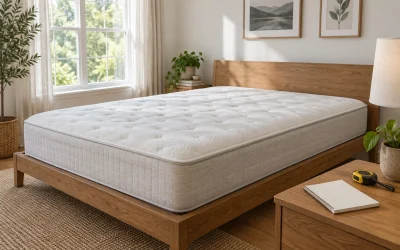
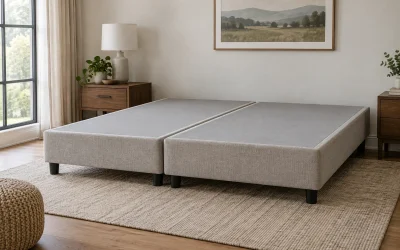
Removing a box spring is one of the easiest upgrades in a bedroom — right up until the moment you realize your mattress was never designed to sit on what’s left underneath it. Platform frames, slatted bed rails, storage bases and adjustable foundations have quietly become the default, yet plenty of mattresses still assume a rigid, spring-loaded partner beneath them. Put the wrong one on wide-set slats and you’ll feel it within weeks: a shallow trough where your hips land, a sag along the perimeter, and the kind of fragmented sleep that no pillow upgrade can fix.
As a sleep-wellness practitioner, I care less about how a mattress feels in the first five minutes and more about whether it holds neutral spinal alignment at hour six. This guide focuses on models engineered to be self-supporting — beds whose base layers do the structural work a box spring used to do. Below you’ll find the picks worth shortlisting, followed by the specifications that actually predict long-term comfort on a foundation-free setup.
As an Amazon Associate we earn from qualifying purchases.


🛒 Best Price Today on Amazon
Prime members get fast, free shipping on everything above, plus member-only deals. New members get a 30-day free trial — cancel anytime.
How to Choose a Mattress No Box Spring (2026)
- Slat spacing: Measure the gaps in your frame before anything else. Foam and hybrid mattresses want no more than about 3 inches between slats; anything wider allows the base layer to bow into the void, which shows up as premature body impressions. A plywood sheet or bunkie board is a cheap fix.
- Total profile height: Without a 7-to-9-inch foundation, your sleep surface drops dramatically. Aim for a seated hip-to-knee angle near 90 degrees when you get out of bed — for most adults that means a 12- to 16-inch mattress on a standard platform, or a taller profile on a low storage base.
- Core construction: All-foam beds rely on a high-density base layer for structure, while hybrids use pocketed coils. Coils generally hold their shape better across unsupported spans and suit heavier sleepers or couples; dense foam cores are quieter and better for light sleepers.
- Heat management: A mattress sitting directly on slats gets more airflow than one on a solid platform. If your base is enclosed, prioritize gel infusions, open-cell foam or a coil layer — core body temperature needs to drop to initiate deep sleep, and a heat-trapping surface works against that.
- Trials and certifications: Give yourself at least 100 nights, since your body needs two to four weeks to recalibrate to a new surface. CertiPUR-US certification and fiberglass-free construction should be treated as baseline requirements, not bonuses.
The Best Mattress No Box Spring (2026) Picks Reviewed
EGOHOME 8-Inch Green Tea Memory Foam (Full)
A smart choice for guest rooms, daybeds and slatted frames where a thick profile would look ungainly — the dense support core keeps this slim build from collapsing into slat gaps. It’s fiberglass-free and CertiPUR-US certified, though at 8 inches I’d steer sleepers above roughly 230 pounds toward a taller option.
Nectar 12-Inch Memory Foam (Queen)
Nectar’s layered foam stack is the most predictable performer here: slow, contouring pressure relief at the shoulder and hip with a genuinely stable base that behaves well on platforms and adjustable bases alike. The medium-firm tuning suits side and back sleepers, and the extended trial gives your nervous system real time to adapt.
Ashley Chime 12-Inch Memory Foam (Queen)
The Chime series earns its reputation on motion isolation — if you share a bed with a restless partner or a dog that relocates hourly, this dampens movement impressively well. The stretch-knit cover and straightforward setup make it a low-friction upgrade for a frame you already own.
Novilla 14-Inch Gel Memory Foam (Queen)
Two extra inches of loft translate into noticeably deeper cushioning, and the gel-infused comfort layer helps offset the heat retention that thicker foam builds can suffer from. A strong fit for side sleepers who want the hip to sink without the lower back following it.
16-Inch Luxury Hybrid with 7-Zone Support (Queen)
The zoned pocketed-coil unit firms up under the lumbar region while staying yielding at the shoulders, which is exactly what you want for alignment on a foundation-free base. The tall profile also restores the bed height most people lose when the box spring goes, and edge support stays reliable for sitting and getting up.
Frequently Asked Questions
Do I still need a box spring?
Only if your bed frame relies on one for structure. A box spring’s job is to provide a flat, supported surface and lift the bed — a platform, slatted or adjustable base already does both.
Will skipping the box spring void my warranty?
Rarely, but manufacturers frequently specify maximum slat spacing. Photograph your setup and check the spec sheet before you unbox anything.
Can I put a mattress in a box directly on the floor?
Short term, yes. Long term it restricts airflow underneath and invites moisture and mildew, particularly in humid rooms.
How long until it feels normal?
Expect two to four weeks of adjustment, plus 24 to 72 hours for the mattress itself to fully expand and off-gas after unboxing.
Final Thoughts
For most sleepers, the Nectar 12-inch is the safest all-round bet — balanced support, forgiving pressure relief and a generous trial window. Couples and heavier sleepers will get more longevity from the 16-inch zoned hybrid, while the EGOHOME 8-inch remains the sensible pick for guest beds and compact frames where profile height matters more than plushness.