Most people spend months agonizing over a mattress and about four seconds thinking about the slab underneath it. That’s understandable — until the day you notice the box spring’s factory fabric has gone gray and pilled, or you spot a fray along the corner where the vacuum keeps clipping it. From a sleep-environment standpoint, that exposed foundation matters more than its looks suggest: it’s an open textile surface collecting dust, skin cells, and pet hair a few inches from your face for a third of your life. Traditional bed skirts don’t solve this. They drape, they slip, they bunch under the mattress, and they need re-tucking every time you change the sheets.
A fitted box spring cover is the tidier answer — a stretch sleeve that wraps the sides (and sometimes the whole foundation) and stays where you put it. Below, I’ve assessed the options that matter in 2026 across three use cases: pure aesthetics, allergen and pest defense, and platform-frame concealment. You’ll find guidance on sizing, fabric weight, and washability, followed by short reviews of the strongest performers and answers to the questions I get asked most.
Our top picks


As an Amazon Associate we earn from qualifying purchases at no extra cost to you.
🛒 Best Price Today on Amazon
Prime members get fast, free shipping on everything above, plus member-only deals. New members get a 30-day free trial — cancel anytime.
How to Choose a Box Spring Cover (2026)
- Coverage type: Decide between a four-sided wrap, which hides the sides and corners while leaving the top and bottom open, and a fully zippered encasement, which seals the foundation on all six surfaces. Wraps are for looks; encasements are for allergen and bed bug control.
- Fabric and stretch: Jersey knit gives the most forgiving fit and the softest hand, making it ideal for low-profile or oddly proportioned foundations. Smooth woven fabrics look crisper and more hotel-like but demand closer sizing accuracy.
- Height measurement: Measure your foundation’s side depth before ordering. Standard box springs run roughly 9 inches, low-profile versions around 5, and metal platform frames vary widely. A cover sized for the wrong depth will either sag at the corners or ride up.
- Elastic construction: Look for elastic running continuously around all four sides rather than just at the corners. Continuous elastic is what keeps the hem from creeping upward when someone sits on the edge of the bed.
- Laundering and durability: Choose machine-washable fabric rated as wrinkle- and fade-resistant, and confirm it tolerates warm water if allergen control is your goal — dust mite proteins need heat to break down properly.
The Best Box Spring Covers (2026) Reviewed
Smooth Woven Box Spring Cover, Queen (White)
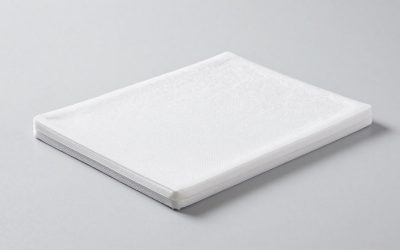
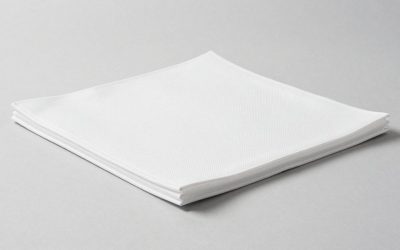
This one earns its place on tailored appearance alone: the smooth woven face reads as crisp, hotel-grade linen rather than T-shirt fabric, and it resists the surface wrinkling that makes cheaper covers look slept-on. Because it covers only the sides, sheet changes stay quick — and the white finish pairs cleanly with almost any duvet.
Light Camel Stretch Wrap, Queen
The standout pick for anyone working with a bare metal platform frame, where a white cover only highlights the shadows and hardware underneath. The warm camel tone visually grounds the bed, and the four-sided stretch construction pulls taut over irregular frame edges without gapping at the corners.
Black Jersey Knit Stretchy Wrap, Queen
Jersey knit is the most forgiving fabric in this category, and this cover uses it well — noticeably soft, generous in stretch, and tolerant of foundations that fall slightly outside standard dimensions. Black hides scuffs and pet hair better than any other color here, which makes it a practical choice for busy households.
PureFit Stretchy Box Spring Cover, Queen
The best all-around fit for a standard queen foundation, with elastic that grips confidently on all four sides and stays put through repeated washing. It’s the low-drama option: install it once, wash it seasonally, and stop thinking about it.
Jersey Knit Wrap, King/Cal King/Olympic Queen (Gray)
Larger foundations are where poorly fitted covers fail most visibly, and this one’s wide sizing range across king, California king, and Olympic queen solves that. The mid-gray finish is genuinely versatile, disguising minor sag while coordinating with both cool and warm bedding palettes.
Frequently Asked Questions
Is a box spring cover better than a bed skirt?
For most people, yes. A fitted cover stays taut instead of shifting, doesn’t require tucking beneath the mattress, and won’t collect dust in fabric folds — while delivering the same clean visual result.
Will a cover protect against dust mites or bed bugs?
Only a fully zippered encasement will. Four-sided wraps leave the top and bottom exposed, so if allergen or pest control is your primary aim, choose the zippered Hospitology encasement instead of a decorative wrap.
Do I need to remove the mattress to install one?
Yes, briefly. Lift or slide the mattress off, fit the cover over the foundation, smooth the corners, and replace the mattress — realistically a five-minute job with a second pair of hands.
How often should it be washed?
Every two to three months for a decorative wrap, or whenever it looks dusty. Encasements used for allergen control should be washed quarterly on a warm cycle.
Final Thoughts
If your goal is simply to make the bed look finished, the PureFit stretchy wrap delivers the most dependable fit for a standard queen, while the light camel stretch wrap is the smarter choice for concealing a metal platform frame. For anyone managing allergies, asthma, or a bed bug concern, skip the decorative options entirely and invest in the Hospitology zippered encasement — it’s the only pick here that meaningfully changes the air quality of your sleep environment rather than just its appearance.