Key takeaways
- Match the build to your sleep frequency: Occasional guest duty (a dozen nights a year) tolerates a foam-only boneless sleeper. Weekly or nightly use calls for a proper hardwood frame with a 6–8 inch mattress — anything thinner bottoms out under hip pressure and disrupts sleep architecture.
- Prioritize mattress depth and fill quality: Eight inches is the practical floor for adult sleepers. Look for layered cotton-and-foam or high-resilience foam cores rather than loose batting, which compresses into permanent divots along the crease within a season.
- Inspect the frame and slat spacing: Hardwood frames with slats spaced under four inches apart prevent the mattress from bowing between supports. Wide gaps create pressure points at the shoulder and sacrum — the two spots most likely to wake a side sleeper.
- Consider upholstery and heat retention: Faux leather wipes clean but traps body heat, which can nudge core temperature above the range that supports deep sleep. Twill, linen, suede-feel and corduroy covers breathe considerably better for overnight use.
- Measure conversion clearance and seat height: Bifold frames need six to ten inches of wall clearance to open. Also check seat height — under 14 inches reads as floor lounging, not sofa seating, and can be awkward for older guests.
What's inside
Almost every futon purchase starts with the same tension: you need a piece of furniture that behaves like a sofa for sixteen hours a day and like a bed for eight. Most models quietly favor one job over the other. As someone who evaluates sleep surfaces for a living, I see the fallout constantly — guests who wake with a stiff lumbar spine after one night on a 4-inch pad, or owners who bought a plush mattress that sags into a hammock the moment it’s folded upright. The mechanism matters, but the sleeping layer matters more, and it’s the spec buyers most often skim past.
This guide approaches futons the way I’d approach any mattress: by fill density, support consistency across the fold line, thermal behavior, and how the frame distributes load beneath a sleeper’s hips and shoulders. Below you’ll find the 2026 picks worth your money, from full-size hardwood bifold sets built for regular overnight use to low-profile boneless sleepers designed for small apartments and floor-level lounging.
As an Amazon Associate we earn from qualifying purchases.


How to Choose a Futon in 2026
- Match the build to your sleep frequency: Occasional guest duty (a dozen nights a year) tolerates a foam-only boneless sleeper. Weekly or nightly use calls for a proper hardwood frame with a 6–8 inch mattress — anything thinner bottoms out under hip pressure and disrupts sleep architecture.
- Prioritize mattress depth and fill quality: Eight inches is the practical floor for adult sleepers. Look for layered cotton-and-foam or high-resilience foam cores rather than loose batting, which compresses into permanent divots along the crease within a season.
- Inspect the frame and slat spacing: Hardwood frames with slats spaced under four inches apart prevent the mattress from bowing between supports. Wide gaps create pressure points at the shoulder and sacrum — the two spots most likely to wake a side sleeper.
- Consider upholstery and heat retention: Faux leather wipes clean but traps body heat, which can nudge core temperature above the range that supports deep sleep. Twill, linen, suede-feel and corduroy covers breathe considerably better for overnight use.
- Measure conversion clearance and seat height: Bifold frames need six to ten inches of wall clearance to open. Also check seat height — under 14 inches reads as floor lounging, not sofa seating, and can be awkward for older guests.
The Best Futons of 2026, Reviewed
Kodiak Furniture Monterey Futon Set
The Monterey in Barbados finish is the closest thing here to a genuine dual-purpose bed, pairing a substantial hardwood frame with a full-size mattress that holds its loft along the fold. The Linen Charcoal cover breathes well overnight, and there’s a Suede Peat variant if you prefer a softer hand — either is a defensible choice for a guest room used year-round.
Stanford Futon Set
An 8-inch twill khaki mattress on a full-size frame puts this squarely in nightly-use territory, with enough depth to keep hips and shoulders from sinking through to the slats. The neutral twill is also the most forgiving upholstery in this lineup for temperature regulation and long-term wear.
Flamaker Futon Sofa Bed
A well-executed convertible loveseat with an adjustable backrest, cup holders and removable armrests that let it stretch into a flat sleeping plane. Faux leather runs warm against skin, so I’d reserve this one for occasional overnights and pair it with a cotton mattress protector rather than sleeping directly on the surface.
78.8″ Corduroy Convertible Futon Sofa Bed
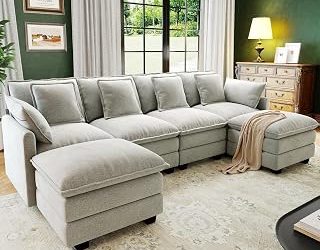
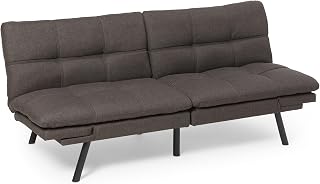
At nearly 79 inches, this modular sleeper actually accommodates a taller adult without diagonal sprawling, and the corduroy cover breathes far better than vinyl alternatives. No assembly and a built-in storage pocket make it a sensible pick for renters who move often.
COMAX Futon Sofa Bed
A 59-inch boneless design at just 11.8 inches high, built for studios, nurseries and reading corners where a full frame won’t fit. Treat it as a nap surface or short-stay guest option — the low profile and modest length aren’t intended to replace a mattress.
Frequently Asked Questions
Can you sleep on a futon every night?
Yes, provided the mattress is at least six to eight inches deep and sits on a slatted hardwood frame. Thin foam pads on metal frames are fine for a weekend but tend to produce morning stiffness with sustained use.
Are futons bad for your back?
Firmness itself isn’t the problem — inconsistent support is. A dense, evenly supported futon keeps the spine neutral quite effectively; a compressed one with a valley at the fold does not, which is why rotating the mattress monthly matters.
How do I stop a futon mattress from going lumpy?
Flip and rotate it every four to six weeks, and leave it open flat for a full day periodically so the fill can decompress. Storing a futon permanently folded is the fastest route to a permanent crease.
Should I air out a new futon before sleeping on it?
Give any new foam mattress 48 to 72 hours in a ventilated room before its first night of use. CertiPUR-US certified foams off-gas minimally, but the initial odor can still be distracting at bedtime.
Final Thoughts
For a futon that genuinely doubles as a bed, the Kodiak Monterey and the Stanford 8-inch set are the two worth investing in — both bring real frame support and enough mattress depth to sleep well on repeatedly. If space is your binding constraint, the 78.8-inch corduroy convertible delivers the best sleeping length and breathability of the frameless options.