Key takeaways
- Clean bedroom carpet in the morning, with a window cracked and a fan running, so the room is fully dry hours before bedtime.
- Do a final pass with plain hot water and no solution — residual detergent attracts soil and re-soils the pile faster.
- Test any formula on a closet corner first, especially on wool or wool-blend rugs, which dislike high-pH cleaners.
- Empty and rinse the recovery tank immediately after each use; stagnant extraction water is its own odor source.
What's inside
Most people audit the mattress, the pillow, and the thermostat long before they think about the floor. Yet a bedroom carpet is a slow-filling reservoir: shed skin, pet dander, pollen tracked in on socks, and the dust mites that quietly feed on all of it. Vacuuming lifts the top layer. It does very little for what has worked its way into the pile base and backing — which happens to be the material closest to your airway for seven or eight hours a night.
I evaluate carpet cleaners the same way I evaluate a bedroom: does it measurably improve what you breathe overnight, and does it introduce a new problem in the process? Below, you’ll learn how to choose between a full-size extractor and a portable spot machine, why drying speed deserves more attention than brush count, how to read a cleaning formula with a sensitive sleeper in mind, and how often bedroom carpet actually needs deep treatment.
Our Recommended Picks
As an Amazon Associate we earn from qualifying purchases.


Size the Machine to the Room, Not the Spec Sheet
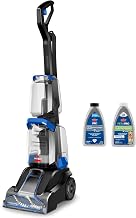
Wall-to-wall bedroom carpet needs a full-size upright with a real recovery tank. The BISSELL TurboClean 3952 is the lightest lift for a single bedroom or a small apartment — easy to carry upstairs, and it ships with the Pro Max Clean & Protect and Oxy Urine Eliminator formulas. For multiple carpeted rooms, the Hoover PowerScrub Deluxe adds SpinScrub counter-rotating brushes and HeatForce drying, while the BISSELL ProHeat 2X Revolution Pet Pro Plus 3588F brings dual DirtLifter PowerBrushes plus a hose and tool kit for stairs and edges. If your only carpet is a bedside rug, skip the upright entirely and buy a portable.
Dry Time Is the Sleep-Critical Spec
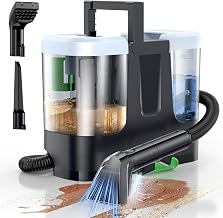
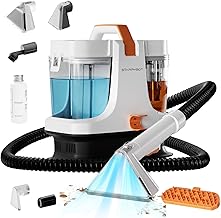
This is where most people create a problem they didn’t have. Soaking a bedroom carpet, then closing the door overnight, raises humidity in a small enclosed space and gives microbial growth exactly what it wants. That musty note you smell two days later is a signal, not a nuisance. Prioritize suction and heated airflow over raw scrubbing power — HeatForce-style drying on the Hoover, and the 18Kpa extraction on the Starrybot spot cleaner, both exist to pull water back out. Whatever machine you use, make two or three suction-only passes after the wet passes.
Read the Formula Like You’d Read a Supplement Label
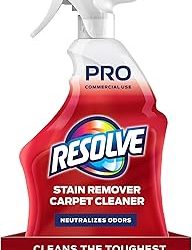
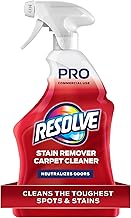
Fragrance is the variable most often overlooked by people who wake up congested. Heavy scent loads linger in fibers for days in a room with limited airflow, and for reactive sleepers that’s the difference between a clear night and a stuffy one. Oxygen-based formulas break down organic residue without perfuming the room indefinitely. Enzymatic or oxidizing products — like the Oxy Urine Eliminator bundled with the TurboClean — are the correct tool for pet accidents, because urine crystals need to be digested, not masked. Keep a bottle of Resolve Professional Strength Spot and Stain on hand for same-day triage between deep cleans.
Attachments Decide Whether You’ll Actually Use It
A machine that only cleans open floor gets used twice a year. The bedroom surfaces that hold allergens are rarely flat: upholstered headboards, fabric bed frames, reading chairs, the strip of carpet under the nightstand. The BISSELL Little Green 1400B and the Starrybot upholstery cleaner both handle these in minutes, and both double for car interiors. One caution — don’t extract a mattress. Mattress cores dry far too slowly for wet cleaning to be safe; use a washable protector and a HEPA vacuum instead.
Set a Cadence You Can Keep
For a typical bedroom, deep extraction twice a year is sufficient, moving to quarterly if you have pets, indoor allergies, or a carpeted room below grade. Between those sessions, the work is vacuuming twice weekly with a sealed HEPA machine and treating spots the day they happen. Consistency beats intensity here; an annual heroic cleaning does less for your air quality than a modest routine you actually maintain.
Tips
- Clean bedroom carpet in the morning, with a window cracked and a fan running, so the room is fully dry hours before bedtime.
- Do a final pass with plain hot water and no solution — residual detergent attracts soil and re-soils the pile faster.
- Test any formula on a closet corner first, especially on wool or wool-blend rugs, which dislike high-pH cleaners.
- Empty and rinse the recovery tank immediately after each use; stagnant extraction water is its own odor source.
Frequently Asked Questions
How long should carpet dry before I sleep in the room?
Aim for four to six hours with good airflow, longer in humid conditions. Press a paper towel into the pile with your palm — if it comes up damp, keep the fan on and the door open.
Will cleaning my carpet actually help my allergies?
It reduces the reservoir, which helps, but it isn’t a standalone fix. Pair it with washable bedding laundered hot, a zippered mattress and pillow encasement, and humidity held between 40 and 50 percent.
Should I rent a machine instead of buying one?
Rent if you’ll clean once a year. Buy if you have pets, kids, or allergies, because ownership is what makes prompt spot treatment realistic — and prompt treatment is what prevents permanent staining.
Is a portable spot cleaner enough on its own?
For area rugs, upholstery, and localized accidents, yes. For wall-to-wall carpet, a portable is a supplement to an upright, not a replacement — you’ll exhaust yourself and your tank long before the room is done.
Conclusion
Choose based on the room you’re actually cleaning: a full-size upright for carpeted bedrooms, a portable extractor for rugs and upholstery, and a reliable spot treatment for the days in between. Then judge your results by how quickly the carpet dries and how the room smells at bedtime — not by how much foam the machine produced.