Key takeaways
- Residue profile: Detergent left in the fibers stays tacky and grabs new dirt, which is why “the stain came back” is almost always a residue problem. Rinse-free formulas or a plain-water blot afterward keep the spot from turning into a permanent shadow.
- Dry-down time: Wet padding raises local humidity and creates ideal conditions for mites and mildew. Treat spots in the morning, blot aggressively with a dry towel, and aim for a fully dry pile several hours before bedtime.
- Fragrance load: Heavy perfume masks odor rather than removing it, and strong scent in a closed bedroom can fragment sleep in sensitive people. Low-odor or unscented chemistry is the safer default for sleeping spaces.
- Stain chemistry: Match the product to the mess. Oxygen-based cleaners excel on tannins like coffee, tea, and juice; enzyme and surfactant formulas handle protein and pet accidents; solvent-forward sprays lift grease and makeup.
- Format and fiber safety: Sprays handle fresh, shallow marks; a portable extractor is the only real answer once liquid has reached the backing. Whatever you choose, test on a closet edge first — wool and some dyed synthetics react badly to alkaline formulas.
What's inside
Bedroom carpet occupies a strange position in the home: it is the surface closest to your face for roughly a third of your life, and it is the one most people clean last. A spill only looks like a cosmetic problem. Underneath, a treated-but-not-truly-removed stain stays slightly damp, holds organic material that dust mites feed on, and slowly releases odor compounds into the air at exactly the height where you breathe while lying down. In my sleep consultations, clients who report morning congestion, a stuffy room, or a vague “something smells off at 2 a.m.” are frequently sleeping above a spot that was scrubbed once and never fully lifted.
This guide evaluates stain removers the way I assess any bedroom variable that touches sleep quality: by what they leave behind. Below are the spot treatments and portable extractors worth buying in 2026, judged on how completely they pull soil out of the pile, how quickly the treated area dries, how much fragrance and surfactant residue they deposit, and whether the room is genuinely fit to sleep in the same night.
As an Amazon Associate we earn from qualifying purchases.


How to Choose a Carpet Cleaner For Stains (2026)
- Residue profile: Detergent left in the fibers stays tacky and grabs new dirt, which is why “the stain came back” is almost always a residue problem. Rinse-free formulas or a plain-water blot afterward keep the spot from turning into a permanent shadow.
- Dry-down time: Wet padding raises local humidity and creates ideal conditions for mites and mildew. Treat spots in the morning, blot aggressively with a dry towel, and aim for a fully dry pile several hours before bedtime.
- Fragrance load: Heavy perfume masks odor rather than removing it, and strong scent in a closed bedroom can fragment sleep in sensitive people. Low-odor or unscented chemistry is the safer default for sleeping spaces.
- Stain chemistry: Match the product to the mess. Oxygen-based cleaners excel on tannins like coffee, tea, and juice; enzyme and surfactant formulas handle protein and pet accidents; solvent-forward sprays lift grease and makeup.
- Format and fiber safety: Sprays handle fresh, shallow marks; a portable extractor is the only real answer once liquid has reached the backing. Whatever you choose, test on a closet edge first — wool and some dyed synthetics react badly to alkaline formulas.
The Best Carpet Cleaners For Stains (2026) Reviewed
FOLEX Instant Carpet Spot Remover
This is my standing recommendation for bedrooms because it requires no rinsing and dries essentially odorless, so there is no perfume cloud hanging over the bed at lights-out. It handles pet accidents, red wine, grease, and makeup without leaving the sticky film that causes re-soiling, and the included cloth encourages the blotting technique most people skip.
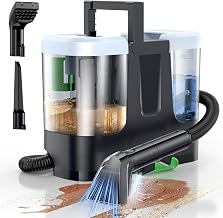
BISSELL Little Green Portable Carpet Cleaner (1400B)
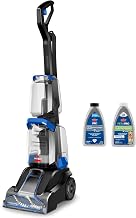
Once a spill has soaked through to the padding, surface sprays only dilute the problem and push it deeper — an extractor physically removes the liquid, which is the difference between a clean carpet and a slowly fermenting one. The specialty tools make it equally useful on mattresses, upholstered headboards, and car seats, and the suction meaningfully shortens dry time.
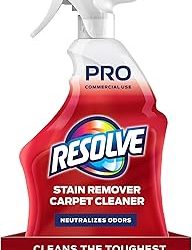
Resolve Professional Strength Spot and Stain
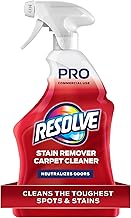
The most reliable choice for older, set-in traffic marks and darkened doorway paths where gentler formulas stall. It is detergent-forward, so follow with a damp-cloth blot and use it earlier in the day; the residual scent is noticeable in a small, closed bedroom.
Carbona 2-in-1 Oxy-Powered Carpet Cleaner
Oxygen chemistry is the right tool for tannin stains — spilled coffee on the nightstand rug, tea, juice, fruit — and this one lifts color rather than just lightening it. The dual sponge-and-bristle applicator gives controlled agitation with very little liquid, which is precisely what you want when overwetting is the enemy.
Zep High Traffic Carpet Cleaner
A gallon of concentrate makes sense when the issue is a whole hallway or a dulled bedroom floor rather than one incident, and it dilutes well for machine use. It is the strongest formula here, so be disciplined about extraction and ventilation, and never run it right before bed.
Frequently Asked Questions
How long should carpet dry before I sleep in the room?
Give it at least four to six hours with a window cracked or a fan running. Sleeping in a room with damp padding raises overnight humidity and can leave you waking up congested.
Will a spot cleaner remove pet odor permanently?
Only if it removes the source. Urine wicks into the backing, so a surface spray may clear the visual mark while the odor returns in humid weather — extract the area properly, then treat.
Do I need a machine, or is a spray enough?
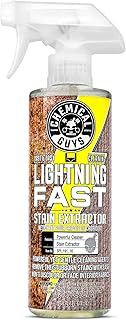
Fresh, shallow spills respond well to a spray and a dry towel. For anything that has soaked in, pair a low-moisture pre-treatment such as Chemical Guys Lightning Fast Stain Extractor with a portable extractor.
How often should bedroom carpet be deep-cleaned?
Twice a year for most homes, quarterly if you have pets, allergies, or a sleeper who wakes up stuffy. Vacuuming slowly and in two directions between cleanings does more for allergen load than any single product.
Final Thoughts
For everyday bedroom spots, FOLEX remains the smartest default — fast, low-odor, and forgiving of technique. Add the BISSELL Little Green if anything has ever reached the padding, and keep Carbona 2-in-1 on hand for coffee and juice, the two stains most likely to appear beside a bed.